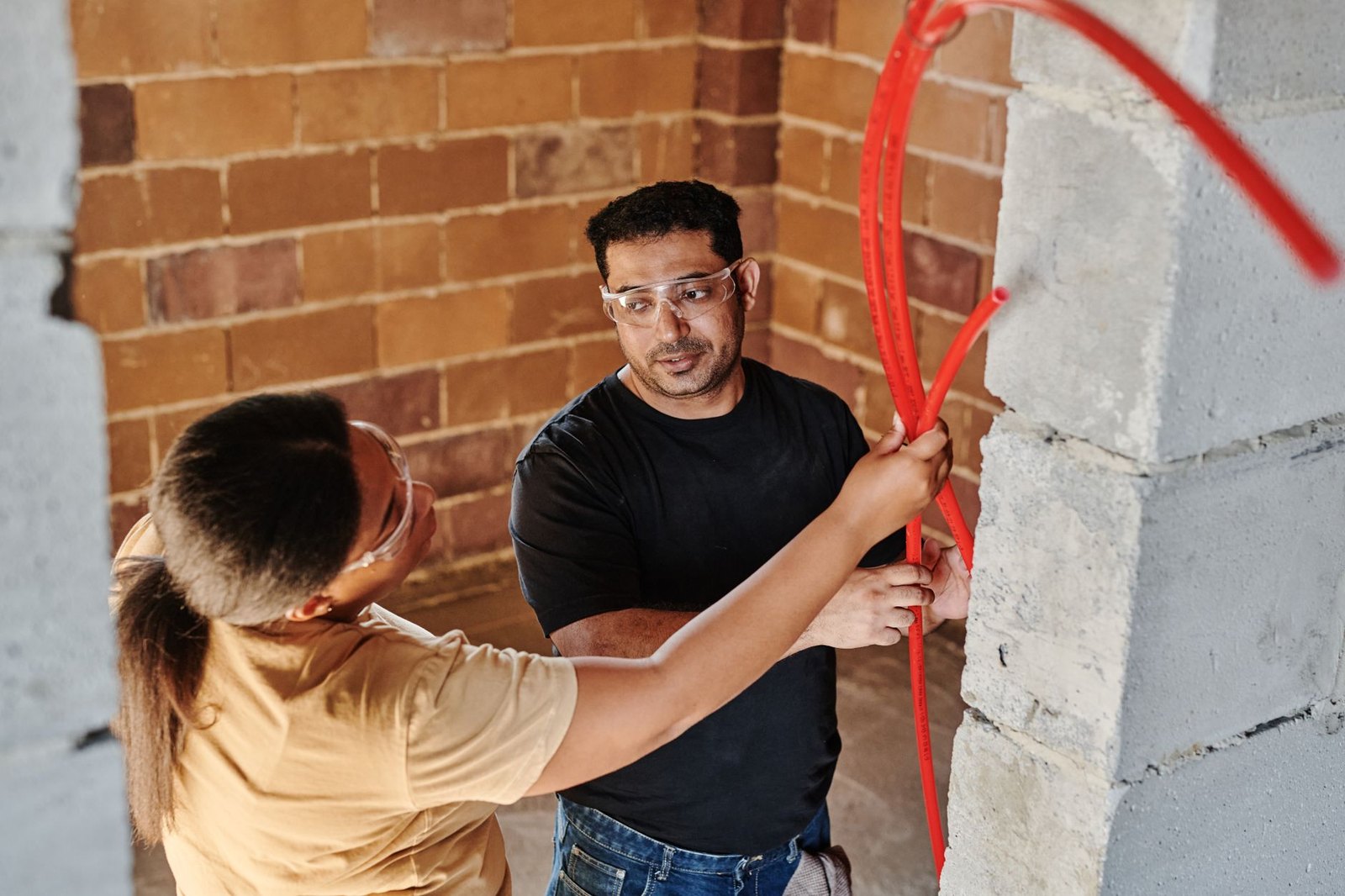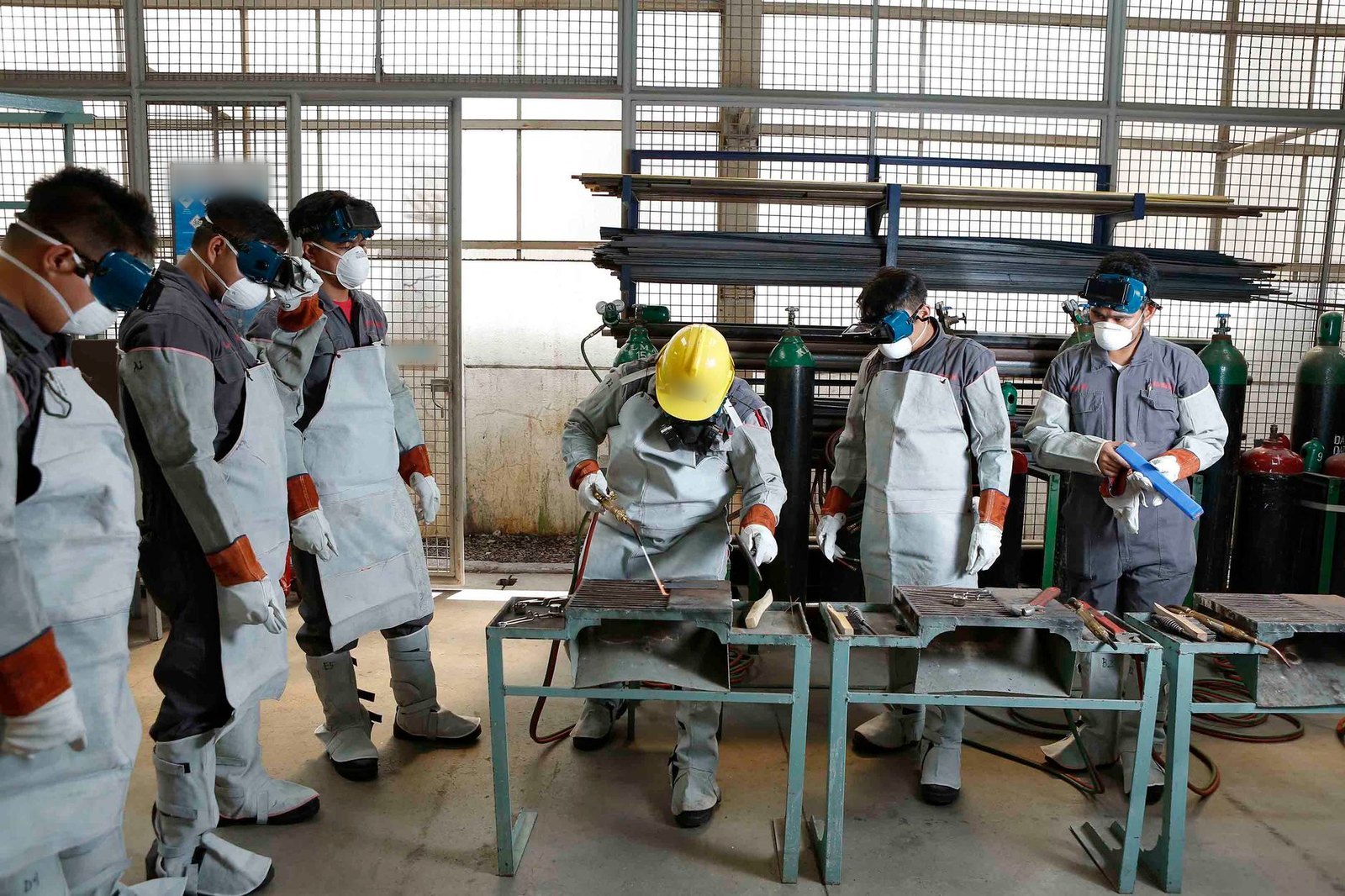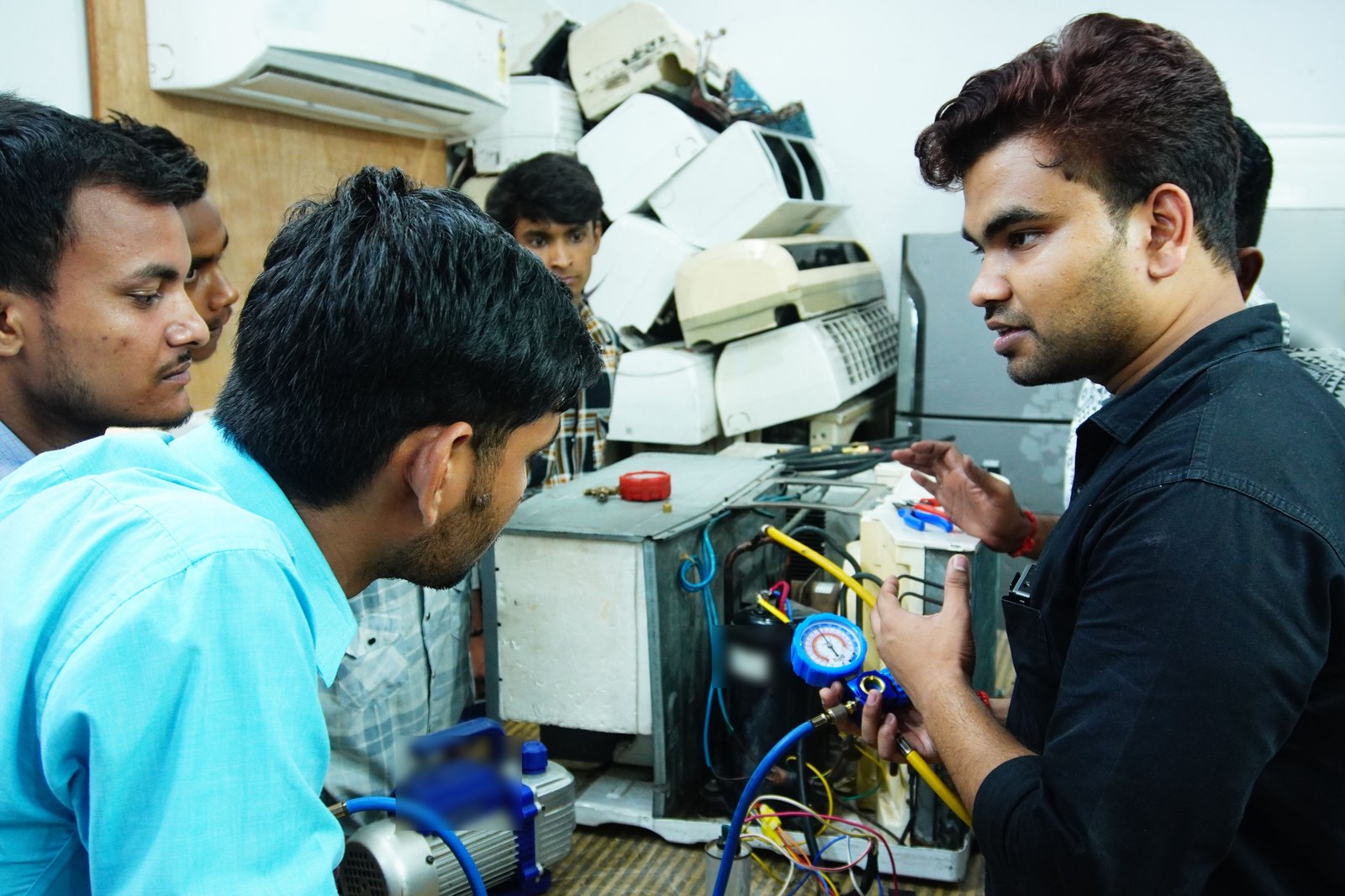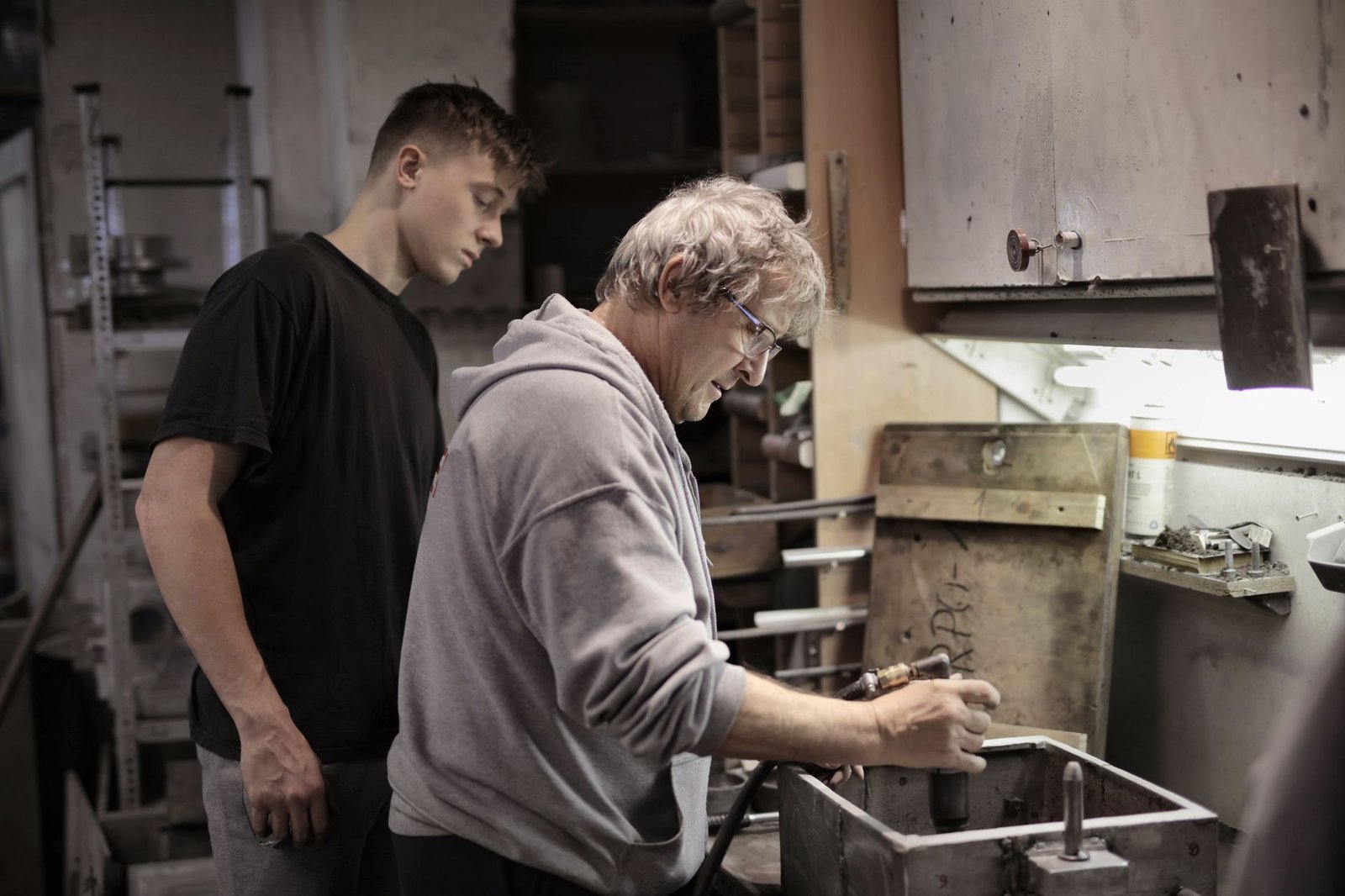
Every operation has a few people everyone calls when something odd happens. They know which valve sticks, which procedure step gets skipped under pressure, and what went wrong the last time. When one of them retires or quits, that organizational memory can leave with them, and nobody notices until the next odd thing happens.
Good knowledge retention practices start well before a farewell lunch. For a safety leader, nurse educator or chief of training, the work has three parts. Find out what the experienced person knows that nobody else does, move it to the people who stay, and confirm it arrived.
Table of Contents
- What organizational memory is
- Why experienced people take so much with them
- Retention practices that protect organizational memory
- Capture is only half of transfer
- Where Blank Slate fits
- Frequently Asked Questions
What Organizational Memory Is
In this article, organizational memory means what an organization knows from its own history and can still use: written procedures, records and systems, and also what lives only in people's heads. That second part is often called tacit knowledge. It is the judgment a veteran technician uses to hear a failing pump, or the reason a unit stopped doing a task a certain way after an incident ten years ago.
Written procedures say what to do. People carry the context: why the step exists, what the warning signs look like, who to call when the procedure does not fit.
Teams also depend on knowing who holds what. In a post on why knowledge breaks down, Blank Slate's Chief Scientist, Amy Smith, PhD, notes that "Teams often rely on what organizational psychologists call transactive memory systems", the shared sense of who knows what. She adds that when team members are siloed, "the absence of one person can create major capability gaps".
Why Experienced People Take So Much With Them
Long tenure concentrates knowledge. In January 2026, workers ages 55 to 64 had a median of 9.6 years with their current employer, according to the U.S. Bureau of Labor Statistics. That is more than three times the 3.0 years for workers ages 25 to 34. The people closest to retirement are often the ones who have seen the most with one employer.
What leaves depends on the role. A study in the Journal of Knowledge Management asked what is lost when employees depart (Sumbal et al., 2018). The authors interviewed 12 experienced informants from oil and gas companies, most of them knowledge management managers or coordinators.
The abstract sums up the finding: "The departing employees possess valuable types of knowledge depending on the role". The types it lists include specialized technical knowledge, contextual knowledge of working in different locations, company history, relationships and networks, business processes and management.
Two points from that study stand out for frontline operations. In the results, the authors report "a high degree of consensus among the participants that subject matter experts have critical tacit technical skills". They also name a type that rarely gets shared: "knowledge of all the bad experiences or train wrecks."
The authors also caution: "The study findings might only be applicable to oil and gas sector." Treat the list as a starting point for your own review.
How knowledge fades after a course and how adults retain new learning are separate questions; here the concern is knowledge that exists in one person and nowhere else.
Retention Practices That Protect Organizational Memory
The steps below are our own suggestions. Steps 1 to 4 draw on practices the Sumbal et al. (2018) study describes; steps 5 and 6 go beyond what that study tested.
- Map critical knowledge by role, early. The study's conclusion is that "it is important to have one-one mapping of critical knowledge." Start with roles where one or two people hold most of the know-how, and do it long before anyone gives notice.
- Name a recipient for each critical area. The study says mapping helps in "identifying the closest person with similar knowledge and skill set" who might replace a departing expert. One name per area makes the handoff someone's job.
- Pair juniors with seniors on real work. The study points to job shadowing, where "the junior employee can work with the senior employee and then learn these skills." Tacit judgment is easier to see on the job than in a document.
- Record the failures. Ask experienced people for the incidents, near misses and workarounds behind the procedures, the "train wrecks" the study names.
- Turn what you capture into questions. A procedure in a shared drive is easy to skip. Short questions answered from memory make the receiving team use the knowledge.
- Check what the receiving team knows. Measure whether the knowledge moved before the expert's last day, while there is still time to fill gaps.
A skills gap analysis is a practical way to run steps 1 and 6 across a team. If the mapping shows gaps that need new material, a training needs assessment helps decide what to build first.
| Knowledge at risk | One way to capture it | How to check it moved |
|---|---|---|
| Technical judgment | Job shadowing on live tasks | Scenario questions answered from memory |
| Past incidents and workarounds | Interviews about what went wrong | Questions on the warning signs and the fix |
| Site and equipment context | Walkdowns with the successor | Questions specific to that site or unit |
| Relationships and contacts | A handed-over contact list | Successor names who to call, and for what |
The table is our own summary, not a framework from the study.
Capture Is Only Half of Transfer
Many retirement plans end at capture: an exit interview, a binder, a recorded walkthrough. Those matter, but a binder on a shelf does not put knowledge in anyone's head. The test comes months later, when a successor faces the odd situation alone and has to recall what the expert said.
That is why step 6 matters. Turning captured expertise into material people can use is its own job, covered in our piece on training content development. Once the material exists, the question becomes whether the people who stay can answer from memory what the expert used to answer for them.
A completion record does not tell you that. A signed acknowledgment that someone read the handover notes says nothing about what they could recall at 2 a.m. on a night shift. Once knowledge has moved to the people who stay, day-to-day reinforcement on the job helps keep it from fading.
Where Blank Slate Fits
Blank Slate is a cognitive-readiness platform built on AI-optimized spaced retrieval. Spaced repetition means reviewing material at intervals over time. Retrieval practice means answering from memory instead of rereading. Spaced retrieval combines the two.
Blank Slate works on top of the training content an organization already has, including what you have captured from experienced staff. People answer short questions in brief sessions (about 60 seconds), 3-4 times a week, adding up to a few minutes a week. Its True Knowledge Level™ shows what a person or team knows now. It coexists with your LMS: the LMS records what people completed, and Blank Slate shows what they still know (see the difference).
Experience alone does not guarantee knowledge is fully there. In a 16-month study of 37 F-16 and C-17 pilots, qualified aviators averaged only 66.91% accuracy the first time they answered each question. With Blank Slate, their final average accuracy rose to 81.36%, a statistically significant improvement of 21.6% over baseline, measured as a relative gain (Smith & Randolph, a paper prepared for I/ITSEC 2026, Paper No. 26299).
Spreading knowledge across a team is the other half. In a year-long case study of 70 data-center security guards presented at MODSIM World 2025, the guards who started below the team's median went from about 56% to over 90% accuracy. They closed the gap with the high performers after about 180 days, on three sessions a week of six questions each (MODSIM World 2025). In our view, that is the pattern a succession plan needs: knowledge that only part of the team had becomes shared across the team.
Blank Slate does not replace job shadowing, hands-on practice or required training. It reinforces and measures retention between them. To see where your team stands before your next retirement, a Knowledge Gap Audit is a free, short assessment taken in the browser that returns a one-page readiness snapshot.
Frequently Asked Questions
What is organizational memory?
Organizational memory is what an organization knows from its own history and can still use. Part of it is written down in procedures and records. Part of it lives only in experienced people's heads: judgment, context and the lessons behind past incidents.
What knowledge is most at risk when an experienced employee leaves?
The knowledge nobody wrote down. A Journal of Knowledge Management study of oil and gas companies (Sumbal et al., 2018) found that what departing employees hold depends on their role. The types it names include technical skills, site context, company history, networks and knowledge of past failures.
When should knowledge capture start before a retirement?
Before anyone gives notice. Mapping critical knowledge by role ahead of time shows where one person holds most of the know-how. A notice period can be too short to name a successor, shadow real work and check that the knowledge moved.
How do you know a successor has absorbed an expert's knowledge?
Ask them to recall it. Questions answered from memory and observed work on the real task show what transferred. A signed handover or a finished exit interview shows only that the information was offered.
When an experienced person leaves, what they knew should stay. A Knowledge Gap Audit is free: a short assessment in the browser that returns a one-page readiness snapshot of what your team knows today and where to focus first.