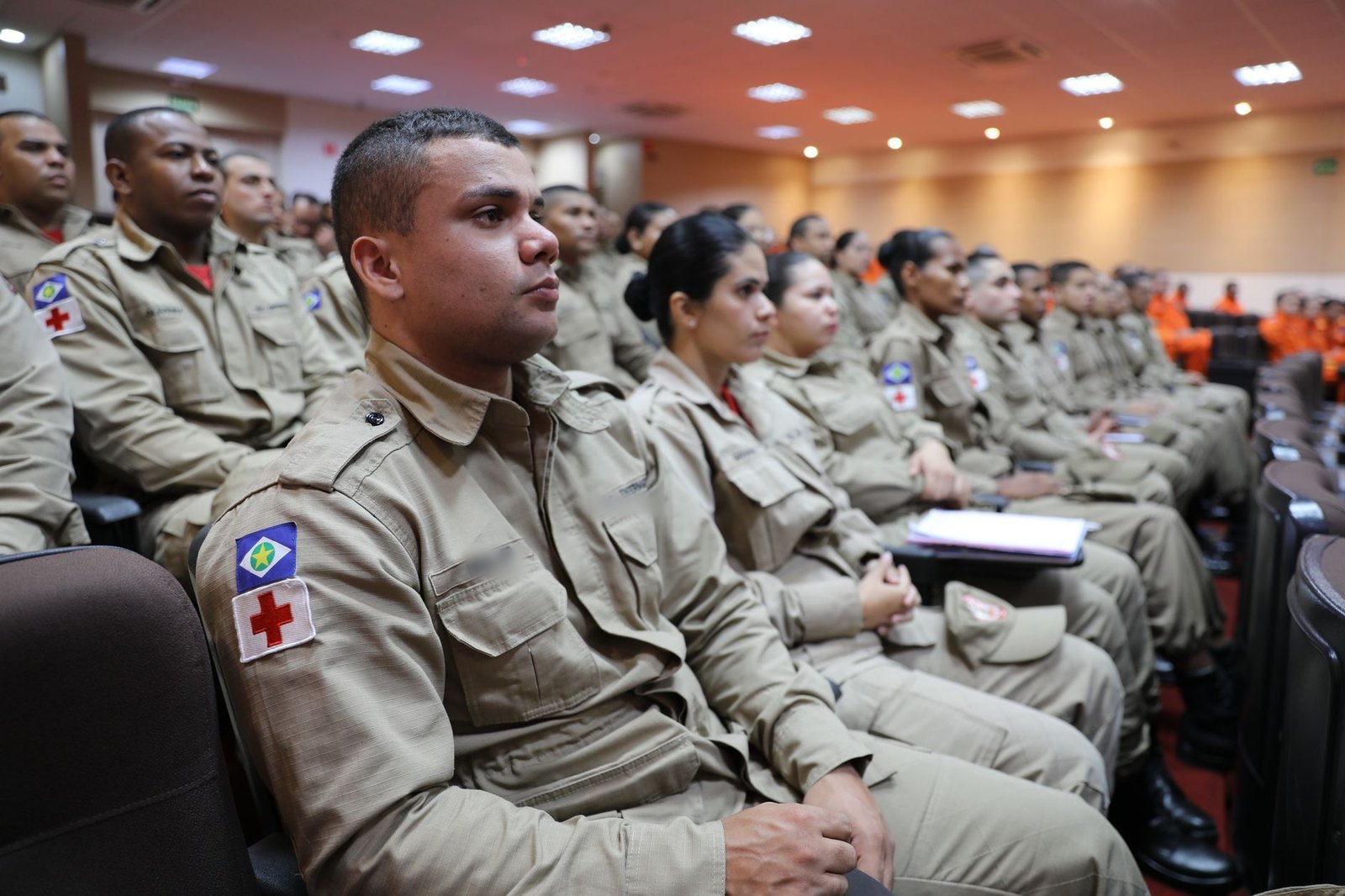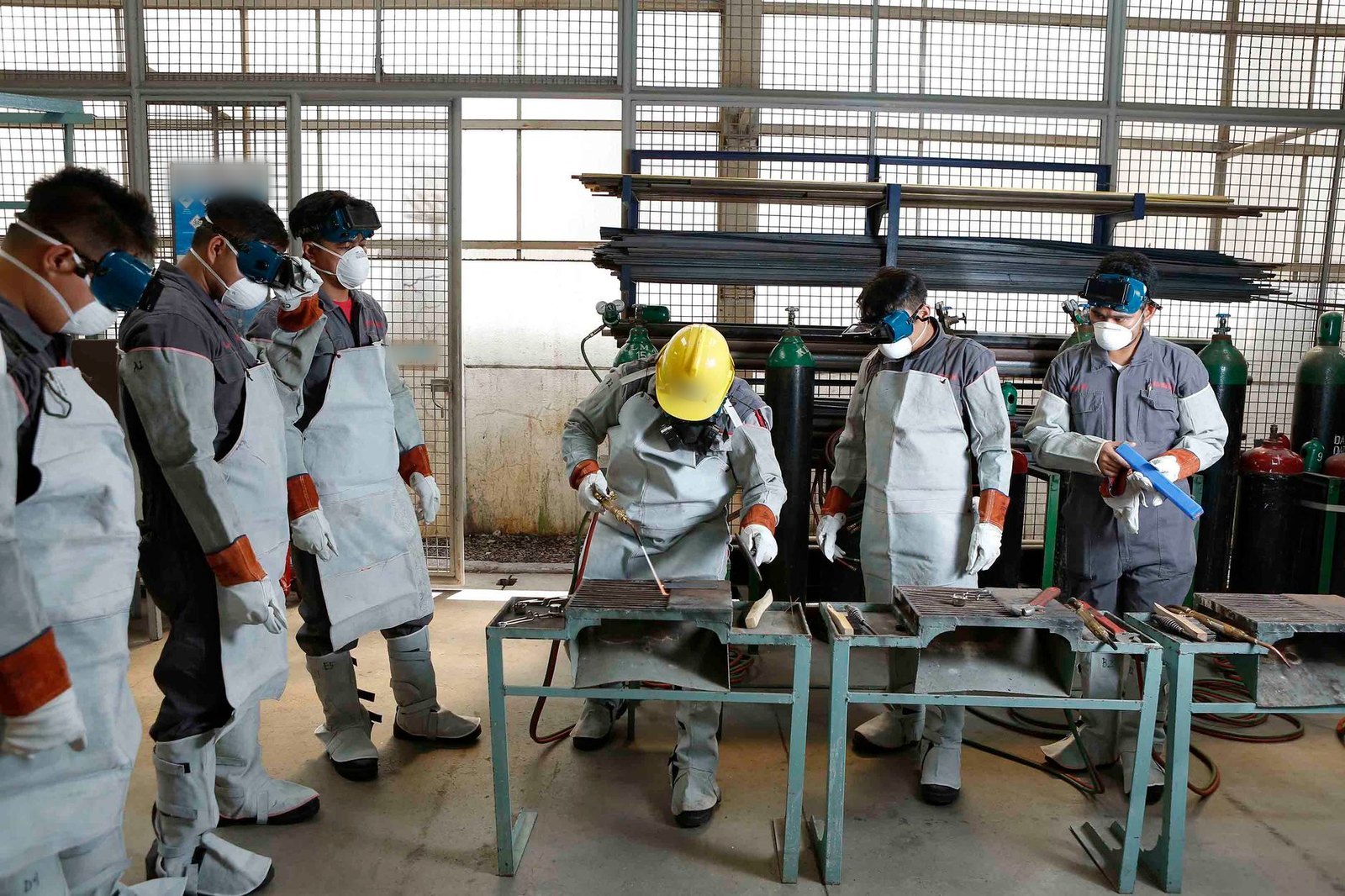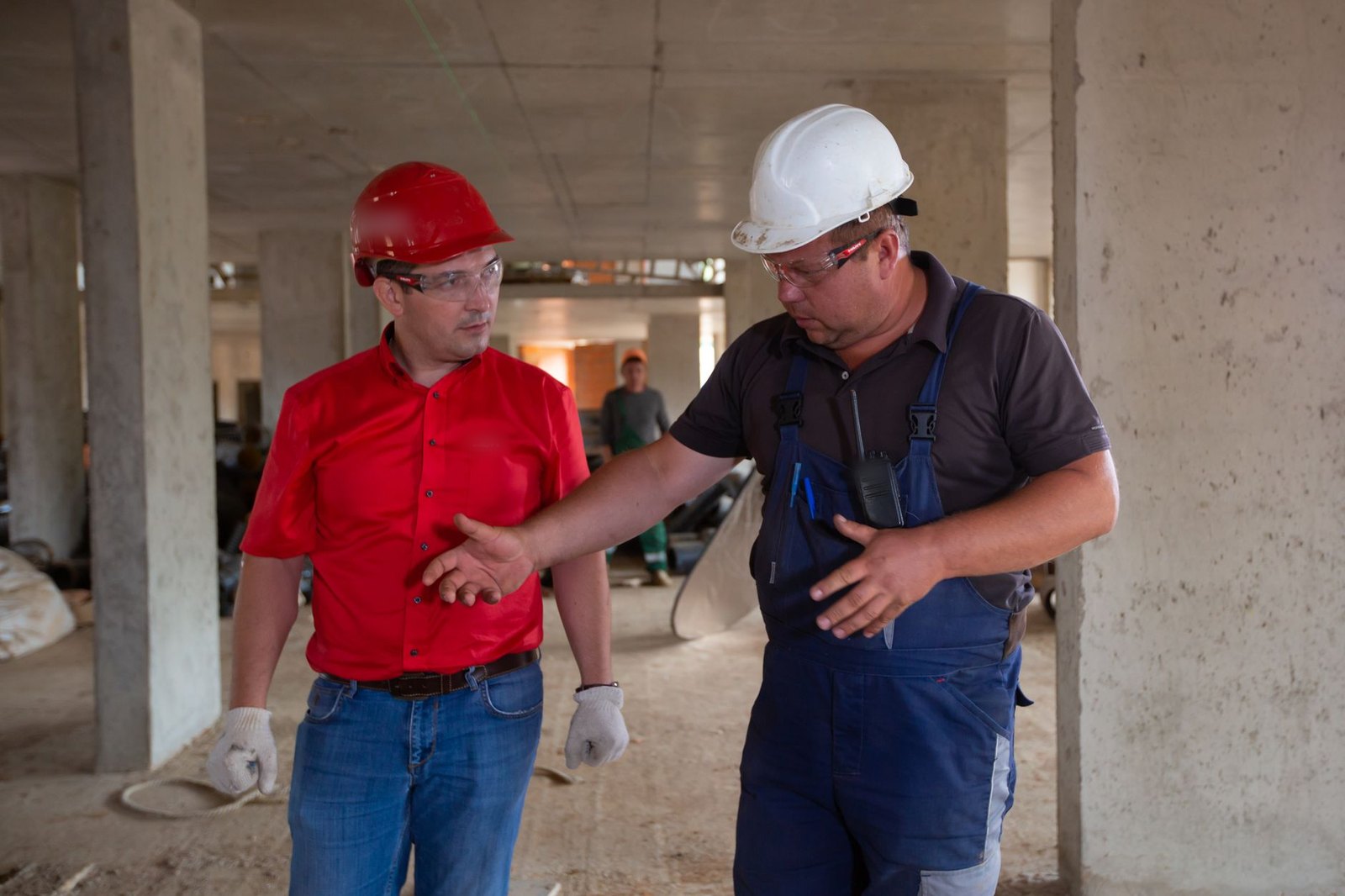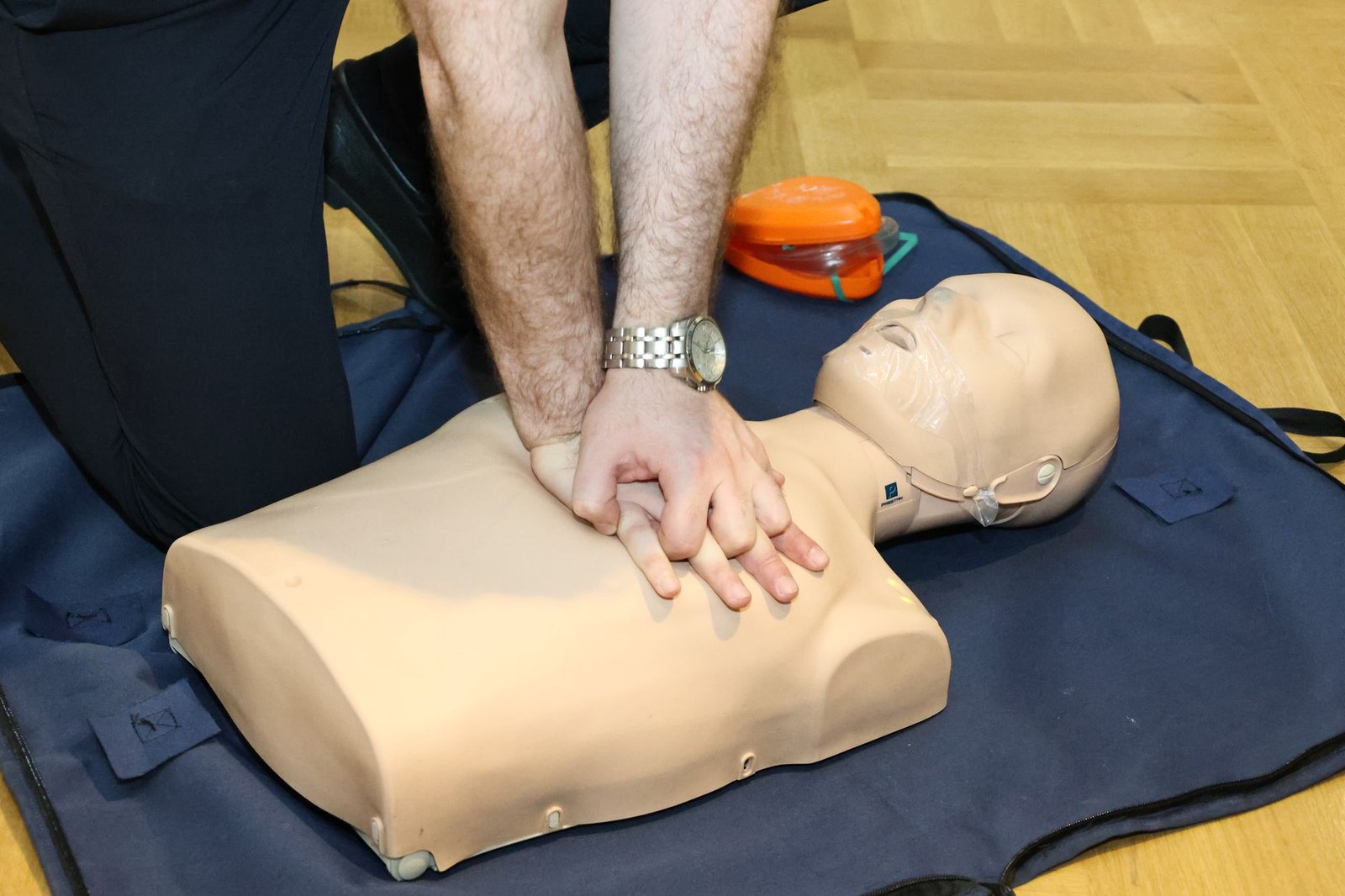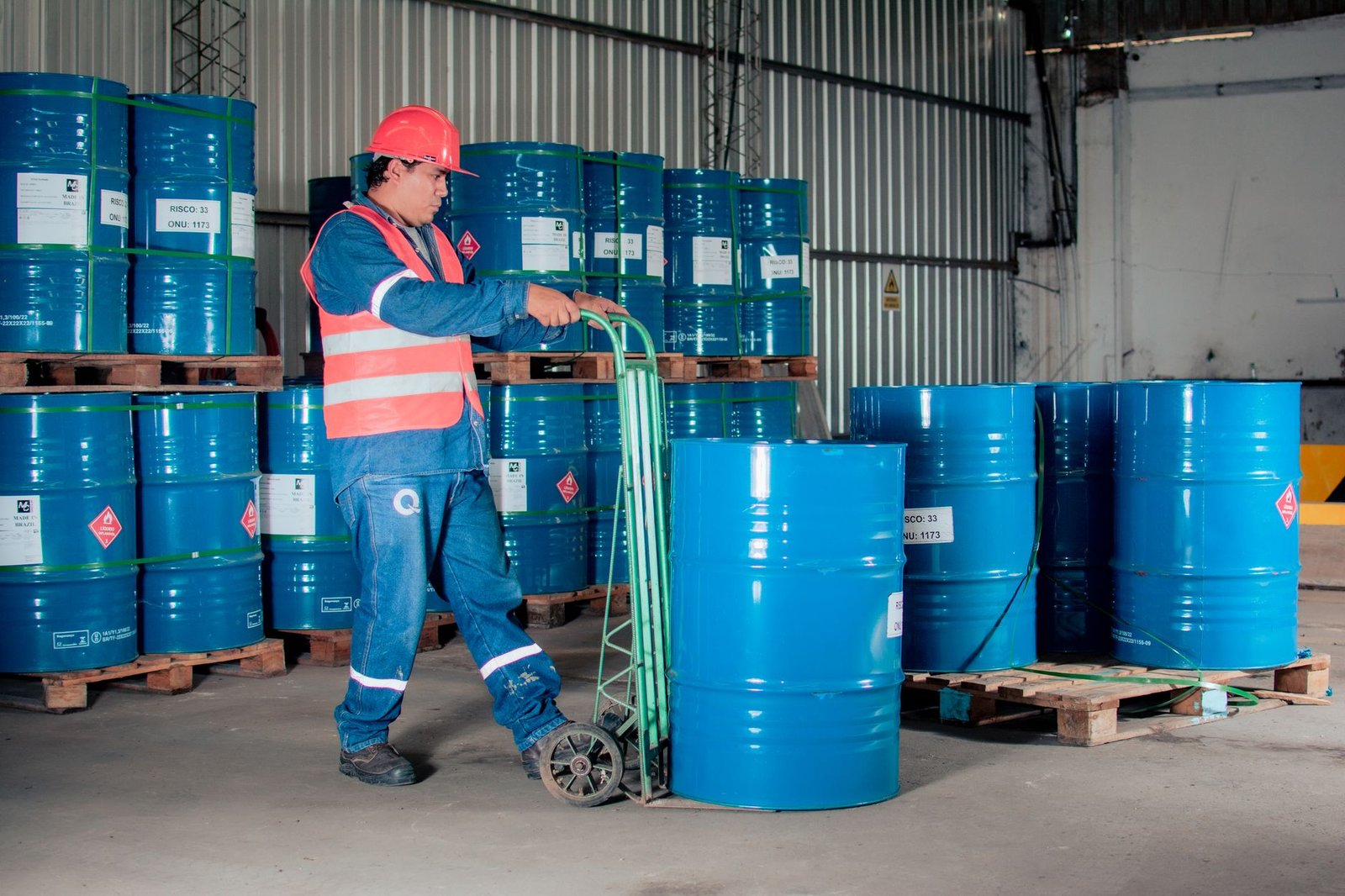
A charge nurse with fifteen years on the unit. A pilot with thousands of hours. A plant supervisor who has run the same line for a decade. Experience makes them good at their jobs, but it does not mean they can recall the steps of a procedure they last used eight months ago.
For an employer, that is what adult learning retention comes down to: whether experienced professionals can still use what they learned on the day it is needed. Adult learning theory describes how adults approach learning. Memory science explains how to make the learning last. A program for experienced staff needs both.
Table of Contents
- What andragogy gets right for adult learners
- Why experience does not guarantee recall
- The two techniques behind adult learning retention
- Putting andragogy and memory science together
- Where Blank Slate fits
- How to show that learning held
- Frequently Asked Questions
What Andragogy Gets Right for Adult Learners
Most adult learning programs trace back to Malcolm Knowles and his theory of andragogy. An AMEE guide for medical educators (Taylor & Hamdy, 2013, Medical Teacher) summarizes Knowles's view that adult learners differ from children in six respects:
- The need to know: "Why do I need to know this?"
- Self-concept: "I am responsible for my own decisions"
- Experience: "I have experiences which I value, and you should respect"
- Readiness to learn: "I need to learn because my circumstances are changing"
- Orientation to learning: "Learning will help me deal with the situation in which I find myself"
- Motivation: "I learn because I want to"
These are sound design rules for a workforce of professionals. Explain why a topic matters before you train it, build on what people already know, and tie the material to situations they face at work.
There are two cautions. The guide's authors write that the line Knowles drew between adults and children "now seems to be artificial." And in our reading, andragogy describes how adults approach learning; it does not tell you what keeps a procedure in memory six months later. That part comes from memory science.
Why Experience Does Not Guarantee Recall
Much of what experienced staff are trained on gets used rarely: an emergency procedure, a rule that changed last year, equipment they handle twice a year. Their experience is real, but it is experience with the daily work, not with the rare event.
A conference paper (Smith & Randolph, I/ITSEC 2026 Paper No. 26299) shows that even fully qualified professionals have gaps. In a 16-month study, 37 active-duty F-16 and C-17 pilots averaged 66.91% accuracy the first time they answered each operational knowledge question. That figure is a baseline: what experienced pilots could answer on first sight, not a measure of forgetting over time.
How quickly knowledge fades in the weeks after a course ends is a separate question: knowledge retention after training. Here the focus is the learner, and what helps adults, experienced ones in particular, hold on to what they learn. Experienced people also carry knowledge nobody wrote down, which is why protecting organizational memory matters when they leave.
The Two Techniques Behind Adult Learning Retention
Memory science offers two well-tested techniques. Spaced repetition brings material back at intervals instead of all at once. Retrieval practice means answering from memory instead of rereading. Combined, they are called spaced retrieval.
The science behind employee retention training explains how the two work together. Below is what each looks like with adult learners.
Retrieval practice with medical residents
Larsen, Butler and Roediger (2009) ran a randomized controlled trial with pediatric and emergency medicine residents, published in Medical Education. After teaching in a real residency conference, one topic was repeatedly tested and another repeatedly studied from a review sheet, at about two-week intervals, with feedback after each test.
On a final test about six months later, repeated testing produced scores 13 percentage points higher than repeated study: 39% versus 26%. Residents are adult professionals in training, so in our view this trial sits closer to the workplace than most lab studies. The authors suggest that "Testing should be considered for its potential impact on learning" and not only as a way to assess it.
Spacing that widens over months
How far apart should reviews be? Cepeda and colleagues (2008), writing in Psychological Science, taught more than 1,350 people a set of facts. They gave a review after a gap of up to 3.5 months and a final test up to a year after that.
Their finding: "The optimal gap increased as test delay increased." As a share of the delay, though, the best gap shrank, from about 20 to 40% of a one-week delay to about 5 to 10% of a one-year delay.
The study tested memory for a set of facts, not workplace procedures. Our inference for a professional who must recall a procedure a year from now: spread reviews across weeks and months instead of relying on one annual refresher.
Putting Andragogy and Memory Science Together
The table is our own summary of how the two fit, not a framework from either source. The "Andragogy's answer" column draws on Knowles's assumptions; the "What memory science adds" column draws on the retrieval and spacing studies above.
| Design question | Andragogy's answer | What memory science adds |
|---|---|---|
| Where to start | Respect what people already know | Check it: first-attempt answers show what is known and what is not |
| What to teach | Material tied to situations at work | Key steps turned into questions people answer from memory |
| When to train | When circumstances change | Keep reviewing afterward, with longer gaps for knowledge needed further out |
| Who decides | Professionals direct their own learning | A review schedule handles the timing |
| What counts as success | Engagement and relevance | Accuracy on recall, tracked over time |
For experienced staff, the first row matters most. Asking people what they already know before teaching it respects their experience and avoids drilling material they have mastered. It also produces a baseline you can compare against later. That is our suggestion; neither study above tested it.
Where Blank Slate Fits
Blank Slate is a cognitive-readiness platform built on AI-optimized spaced retrieval. It works on top of the training content an organization already has. People answer questions in short (about 60-second) sessions, three or four times a week, adding up to a few minutes a week. Its True Knowledge Level™ shows what a person or team knows right now.
The evidence starts in the classroom. In a randomized controlled trial with university and college students, Blank Slate's spaced retrieval matched daily review's retention in about one-third of the study time (McHugh et al., 2021, Education Sciences). Students who did no review saw their scores fall over the same four weeks.
The same approach has also been tested with practicing professionals. A six-week pilot ran with nursing staff on two hospital units (Giumetti et al., Journal of Patient Safety, 2025). Staff who used Blank Slate for two to three minutes a workday improved fall-prevention knowledge, confidence and safety-checklist completion. The small pilot found no change in patient falls.
The pilots from the baseline study improved as well. Over the 16 months, their first-attempt accuracy rose from 66.91% to 81.36%, a statistically significant improvement of 21.6% over baseline, measured as a relative gain (Smith & Randolph, I/ITSEC 2026 Paper No. 26299).
Blank Slate does not replace required training, a refresher course or hands-on practice. It reinforces and measures what people retain between them. The LMS keeps recording what people completed, and the comparison with an LMS shows where each fits. The how it works page shows the setup.
How to Show That Learning Held
Readiness you can show starts with a measure taken before anyone trains. A practical sequence for one experienced team:
- Pick one topic that matters but is rarely used. A skills gap analysis helps you choose.
- Record first-attempt accuracy before any refresher. That is your baseline.
- Run short retrieval sessions a few times a week, with reviews that spread out as people answer correctly.
- Track accuracy over the following months, alongside completion. Completion shows the sessions happened; accuracy shows what people can recall.
If you want a starting picture before you choose a topic, a Knowledge Gap Audit shows where your team stands.
Frequently Asked Questions
What is andragogy?
Andragogy is Malcolm Knowles's theory of how adults learn. He held that adults differ from children in six respects, including their need to know why, the value of their own experience, and learning aimed at real situations. Later authors question how sharp that adult and child line really is.
Do adults learn differently from younger learners?
Less than the theory once suggested. An AMEE guide for medical educators (Taylor & Hamdy, 2013) says the distinction "now seems to be artificial." For retention, the studies cited here point to how practice is built: the retrieval practice trial, for example, was run with medical residents.
Do experienced professionals need ongoing practice?
Yes, for knowledge they rarely use. In a conference paper (Smith & Randolph, I/ITSEC 2026 Paper No. 26299), active-duty F-16 and C-17 pilots averaged 66.91% accuracy the first time they answered each operational knowledge question. Experience builds skill, but recall of specific steps still needs checking.
Is testing a way to learn, or only a way to assess?
Both. In a randomized trial with medical residents (Larsen et al., 2009), repeated testing with feedback led to final scores averaging 39% about six months later, against 26% for repeated study. The authors suggest testing be considered for its effect on learning, not only assessment.
Experience tells you who should know the procedure. It does not tell you who can recall it today. A Knowledge Gap Audit is free: your team answers a short assessment in the browser, and you get a one-page readiness snapshot of what is retained, what is slipping, and where to reinforce first.