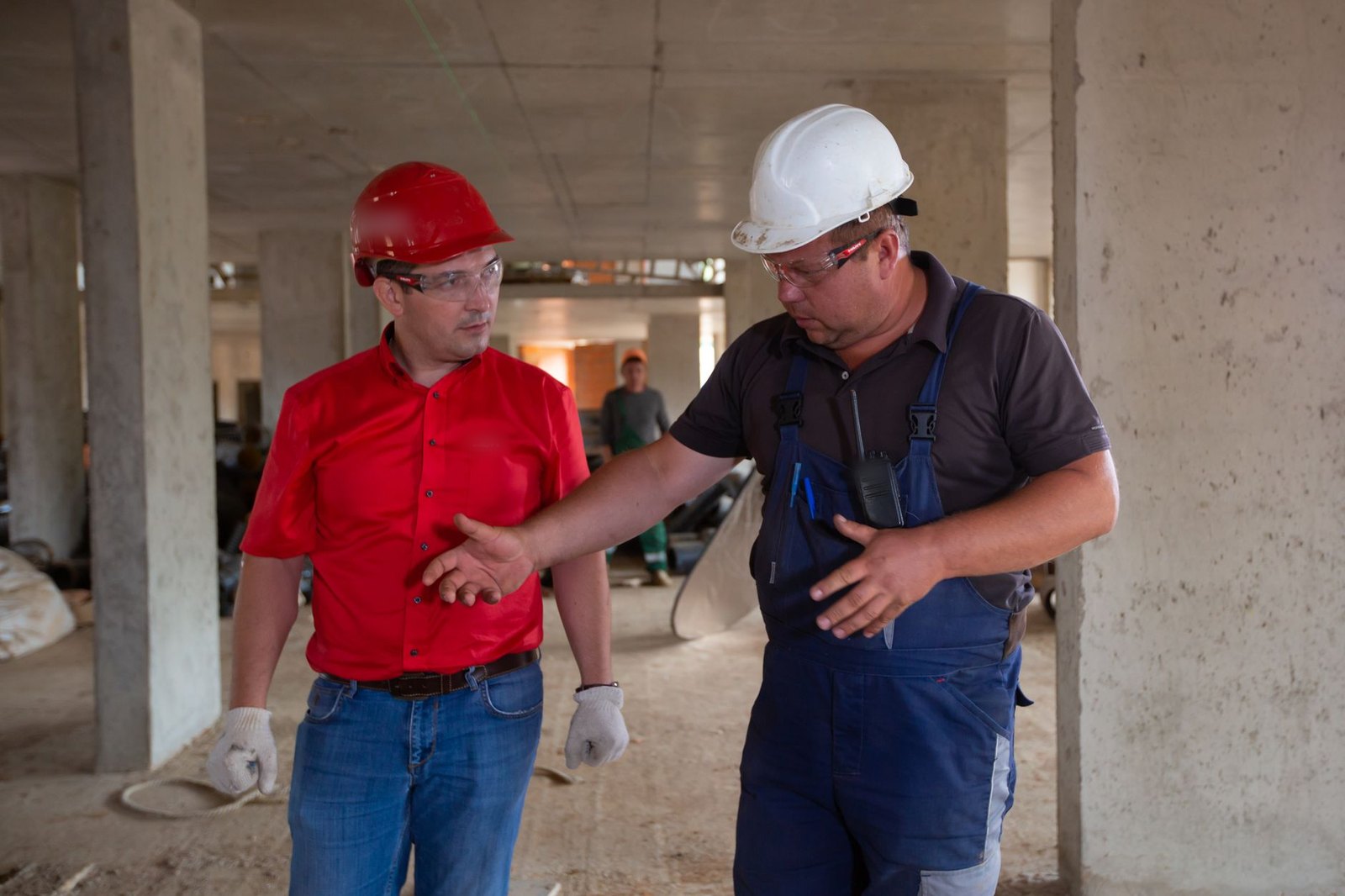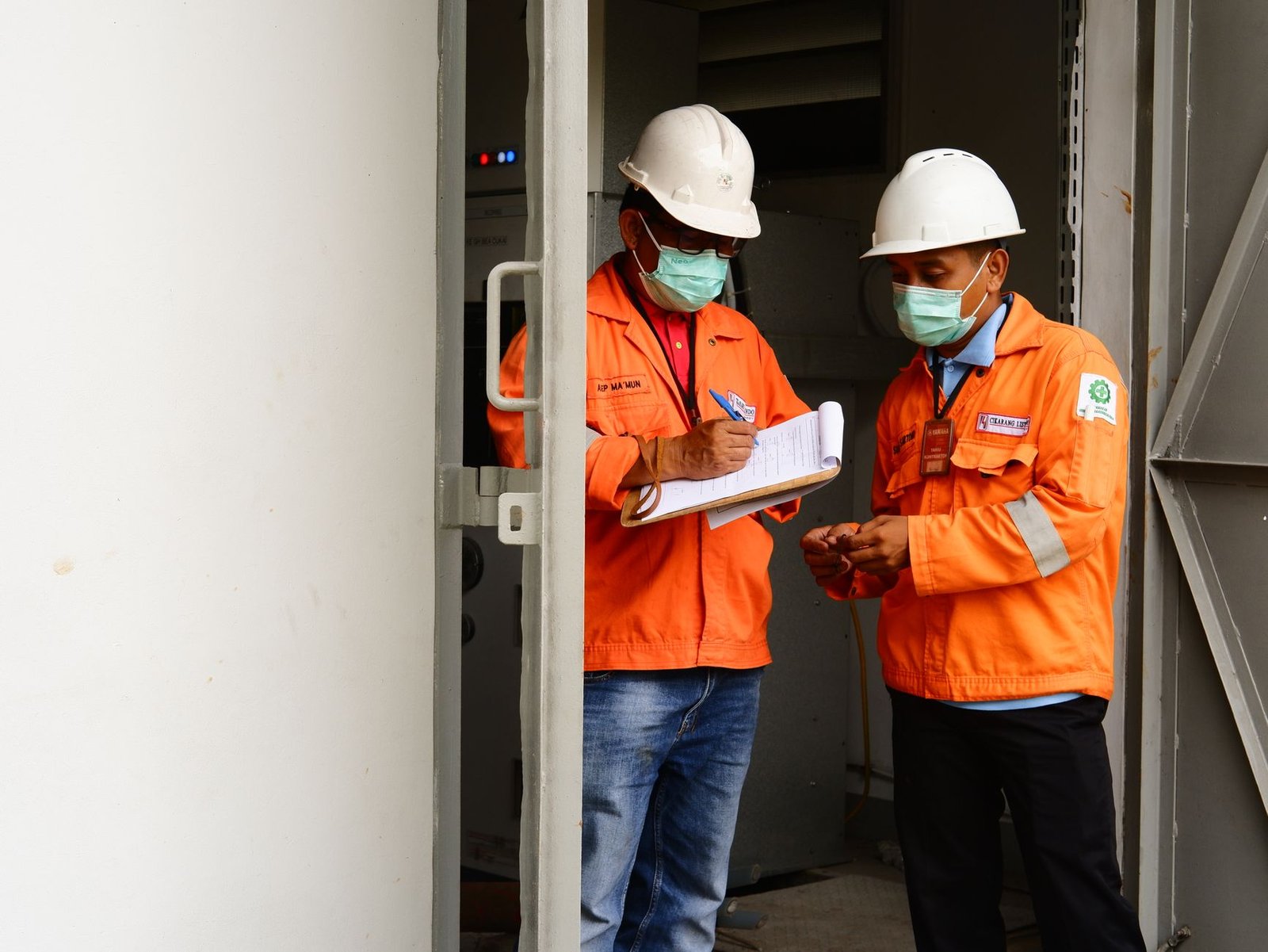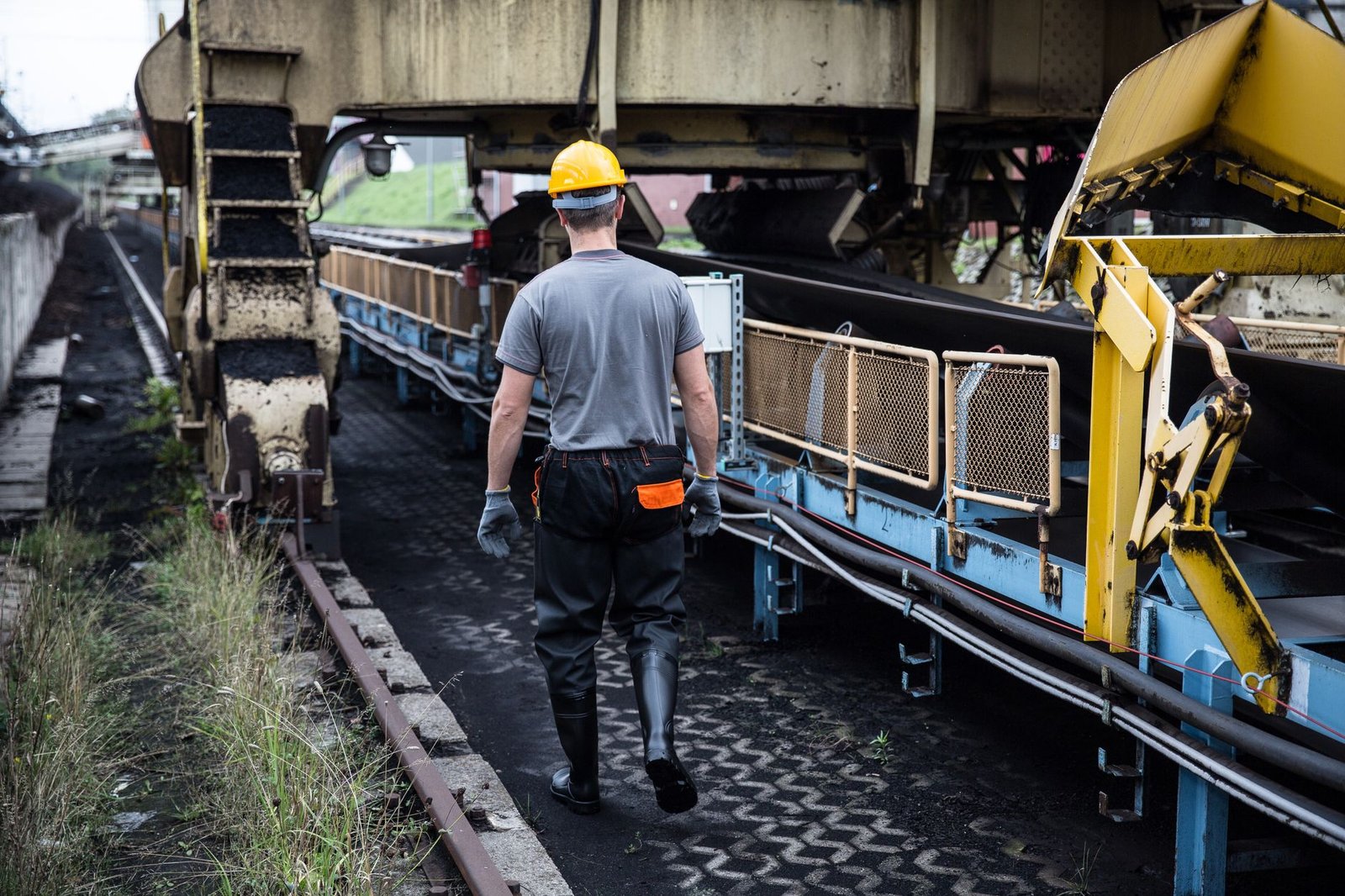
When an OSHA compliance officer asks for your written HazCom program, the document is where the review starts. OSHA's inspection directive tells officers to check whether each requirement the program covers has been implemented in the workplace. A hazcom program holds up when the binder and the floor say the same thing.
Hazard Communication ranked second on OSHA's list of the most frequently cited standards for fiscal year 2024. The written program is also due for an update: as of October 2026, employers must revise it for newly identified substance hazards by November 20, 2026.
Table of Contents
- What a written HazCom program is and who needs one
- What OSHA requires in a written HazCom program
- How inspectors evaluate the program
- How to build the program, step by step
- Keeping the program current
- The part of the program employees have to remember
- What this means for EHS managers
- Frequently Asked Questions
What a Written HazCom Program Is and Who Needs One
The requirement sits in paragraph (e) of the Hazard Communication standard, 29 CFR 1910.1200. Paragraph (e)(1) says: "Employers shall develop, implement, and maintain at each workplace, a written hazard communication program."
The program describes how you will meet the label rules in (f), the safety data sheet (SDS) rules in (g), and the training rules in (h). Three verbs carry the weight: develop, implement and maintain. A program written once and filed meets only the first.
Scope decides who needs one. Paragraph (b)(3) applies the standard to laboratories only through a short list of duties. Paragraph (b)(4) does the same where employees handle only sealed containers that are not opened in normal use, such as in warehousing or retail sales. Neither list includes paragraph (e). Paragraph (b)(6) excludes items such as articles and consumer products used as a consumer would use them.
For employees who travel between workplaces during a shift, (e)(5) lets the program "be kept at the primary workplace facility."
What OSHA Requires in a Written HazCom Program
Every element below appears in paragraph (e) or is one of the (f), (g) and (h) requirements it tells you to describe.
| Element | Paragraph | What OSHA requires |
|---|---|---|
| Labels and other forms of warning | (e)(1), (f) | How containers will be labeled and labels kept in place |
| Safety data sheets | (e)(1), (g) | How SDSs are obtained, kept and made accessible |
| Employee information and training | (e)(1), (h) | How employees will be informed and trained |
| List of hazardous chemicals | (e)(1)(i) | Every hazardous chemical known to be present, by a product identifier referenced on its SDS |
| Non-routine tasks | (e)(1)(ii) | How employees learn the hazards of tasks such as "the cleaning of reactor vessels" |
| Unlabeled pipes | (e)(1)(ii) | How employees learn the hazards of chemicals in unlabeled pipes in their work areas |
| Other employers on site | (e)(2) | How contractors get SDS access, precautionary measures and your labeling system |
| Availability | (e)(4) | Provided on request to employees, their designated representatives, OSHA and NIOSH |
The chemical list may cover the whole workplace or individual work areas. Paragraph (e)(2) applies where your chemicals may expose another employer's employees, as during contractor shutdown work.
How Inspectors Evaluate the Program
OSHA's compliance safety and health officers (CSHOs) follow a directive, CPL 02-02-079, Inspection Procedures for the Hazard Communication Standard (HCS 2024). This version took effect May 19, 2026, replacing a 2015 directive with the same number.
The directive sets the test: "CSHOs must review the written program to ascertain whether all applicable requirements of paragraph (e), (f), (g), and (h) are covered and have been implemented in the workplace in addition to observing possible violations while conducting the walkaround."
Coverage and implementation are two different tests. A program can describe every element and still fail on the second test. The directive spells out what an inspector looks for:
- The inventory is complete. "The inventory must include all chemicals present (even if the chemicals are stored/not in use)."
- Names match. The list needs "a product identifier for each chemical known to be present that aligns with the SDS and label."
- Format is your choice. The employer "may maintain the program either on paper or in electronic format."
- Access is real. Employees need to know how to reach it, and there can be no "barriers to employees' access (e.g., storage in a locked room/cabinet/computer)."
Where a program is missing an element or is deficient in one, the directive says to cite that specific element. Citations "shall generally be issued as serious unless otherwise noted."
An employer who meets the labeling, SDS, inventory and training requirements but has no written program is treated differently. The directive says "a citation for (e)(1) should not be issued, as it is considered a de minimis violation." The document matters least when everything it should describe is already happening on the floor.
How to Build the Program, Step by Step
This sequence is this article's own method for working through paragraph (e), not an OSHA template.
- Walk the site and build the inventory. Go area by area, including storerooms. Stored chemicals count.
- Match every entry to its SDS and label. Use the product identifier exactly as the SDS shows it, so a worker can move from list to sheet to drum without guessing.
- Describe your labeling. Say who checks incoming containers, how secondary containers are labeled, and any workplace labeling system you use.
- Describe SDS access. Name where sheets are kept and how a worker on any shift reaches one without asking for a key.
- Describe training. State who is trained, when, and on what. This section connects the written program to the separate training requirement in paragraph (h), which sets what employees must learn and when they must be retrained. HazCom training covers that requirement in detail.
- Cover non-routine tasks and unlabeled pipes. Name the tasks (vessel cleaning, line breaks, tank entry) and the method you use to brief crews before each one.
- Cover other employers. Write down how contractors get SDS access, your precautionary measures and an explanation of your labels.
- Assign an owner and update triggers. Name who maintains the program and what prompts a revision: a new chemical, a new process, a new contractor, or a regulatory change.
Keeping the Program Current
"Maintain" in (e)(1) means the program changes when the workplace does. Paragraph (e) sets no fixed review interval, so the triggers in step 8 do that work.
The 2024 update to the standard adds dated triggers. As of October 2026, the eCFR text of (j)(2)(ii) requires employers to "update the hazard communication program" for newly identified hazards of substances "no later than November 20, 2026." For mixtures, (j)(3)(ii) sets May 19, 2028. A January 2026 final rule extended both dates by four months, so check the current eCFR text before relying on a date.
A common trigger is a supplier's revised SDS that reclassifies a chemical you already use. The new hazard has to reach the inventory, the labels and the people.
The Part of the Program Employees Have to Remember
Several elements of a written program work only through what employees remember: how to find an SDS, read a workplace label, or learn the hazards of a non-routine task. A worker who has forgotten where the sheets are kept leaves that part of the program unimplemented.
Research on how well workers retain hazard information is thin. A 2016 review in the International Journal of Environmental Research and Public Health found that "Less than 10 studies were found that specifically investigated the recall of hazard information generally or the GHS exactly" (Sathar et al., 2016). It concluded that education, previous training and pictograms all contribute to whether workers recall hazard information.
Blank Slate measures and reinforces that recall. It is a cognitive-readiness platform built on AI-optimized spaced retrieval. Spaced retrieval combines spaced repetition (reviewing material over time) with retrieval practice (answering from memory instead of rereading).
Blank Slate works on top of the training content your organization already has. Employees answer questions in short sessions (about 60 seconds), 3-4 times a week, adding up to a few minutes a week. True Knowledge Level™, Blank Slate's real-time readiness metric, shows what a person or team knows now. The how it works page shows the setup.
What the evidence shows
In a randomized trial with university students, Blank Slate's spaced retrieval matched daily review's retention in about one-third of the study time (McHugh et al., 2021).
Field studies report gains on similarly little time. US Air Force pararescue trainees rose from 67% to 81% accuracy over 16 weeks while averaging about 100 seconds of use per week (I/ITSEC 2023). In a year-long case study, data-center security guards who started below their team's median rose from about 56% to over 90% accuracy (Smith, MODSIM World 2025). They used three short sessions a week, six questions each.
None of these studies measured chemical hazard knowledge. They show retention and accuracy gains on little time, in a university trial, in military training and on a security team.
What Blank Slate does not replace
Blank Slate does not write or maintain your written program, and it does not deliver the training 1910.1200(h) requires. It does not replace your inventory, labels, SDS access or contractor procedures. It reinforces and measures what employees retain between trainings. It also coexists with your LMS, which records completion while Blank Slate shows retention (see the difference).
What This Means for EHS Managers
The document is the easy part to fix before an inspection. The harder part is everything it promises: a matching inventory, accessible sheets, and crews who know what to do before a non-routine job.
The November 20, 2026 update date (as of October 2026) is a natural moment to test both halves. Revise the document, then check whether your people can find an SDS, read a label and name the hazards of the next shutdown task. The same document-plus-recall problem applies to a bloodborne pathogens exposure control plan and a lockout/tagout program. See how Blank Slate supports industrial safety teams.
Start by measuring what your crews remember before an inspector asks.
Frequently Asked Questions
Does OSHA require a written hazard communication program?
Yes. Paragraph 1910.1200(e)(1) requires employers covered by the standard to develop, implement and maintain a written program at each workplace. Laboratories and operations that handle only sealed containers are covered through shorter lists of duties in (b)(3) and (b)(4), which do not include paragraph (e).
What must a written HazCom program include?
It must describe how you meet the label, SDS and training requirements, and include a list of hazardous chemicals known to be present. It must cover how employees learn the hazards of non-routine tasks and unlabeled pipes. Multi-employer sites add SDS access, precautions and labeling information for contractors.
How often should a HazCom program be updated?
Paragraph (e) sets no fixed interval, but the program must be maintained, so update it when chemicals, processes or contractors change. As of October 2026, the 2024 update requires program revisions for newly identified substance hazards by November 20, 2026 and for mixtures by May 19, 2028.
Can a HazCom program be kept electronically?
Yes. OSHA's inspection directive says the program may be kept on paper or in electronic format. Employees must know how to access it, with no barriers such as a locked room, cabinet or computer, and it must be provided on request to employees, their representatives, OSHA and NIOSH.
A written HazCom program holds up when the workplace matches it. A Knowledge Gap Audit shows what your crews know today and where gaps may exist, so the program you wrote is the one they follow.