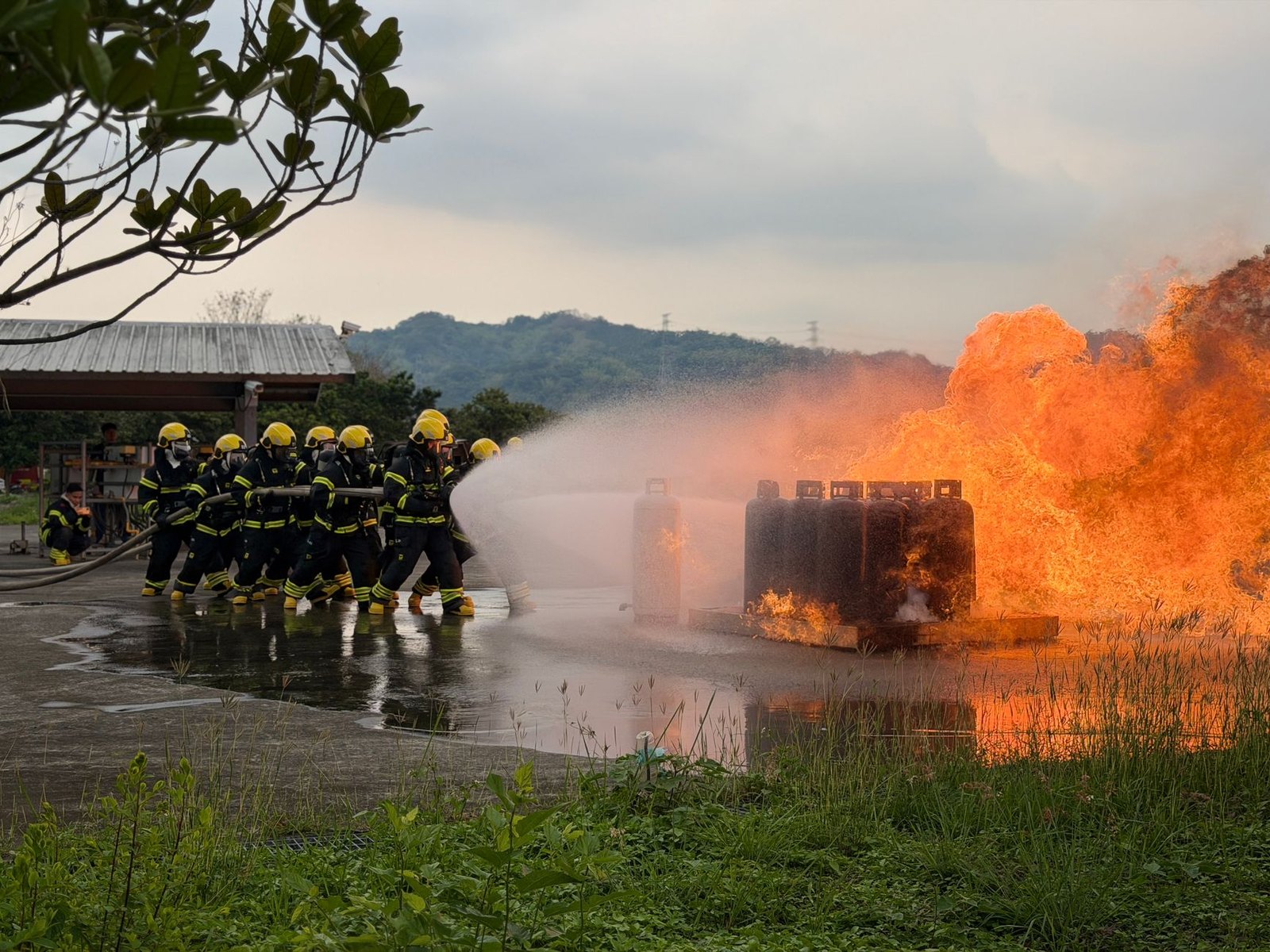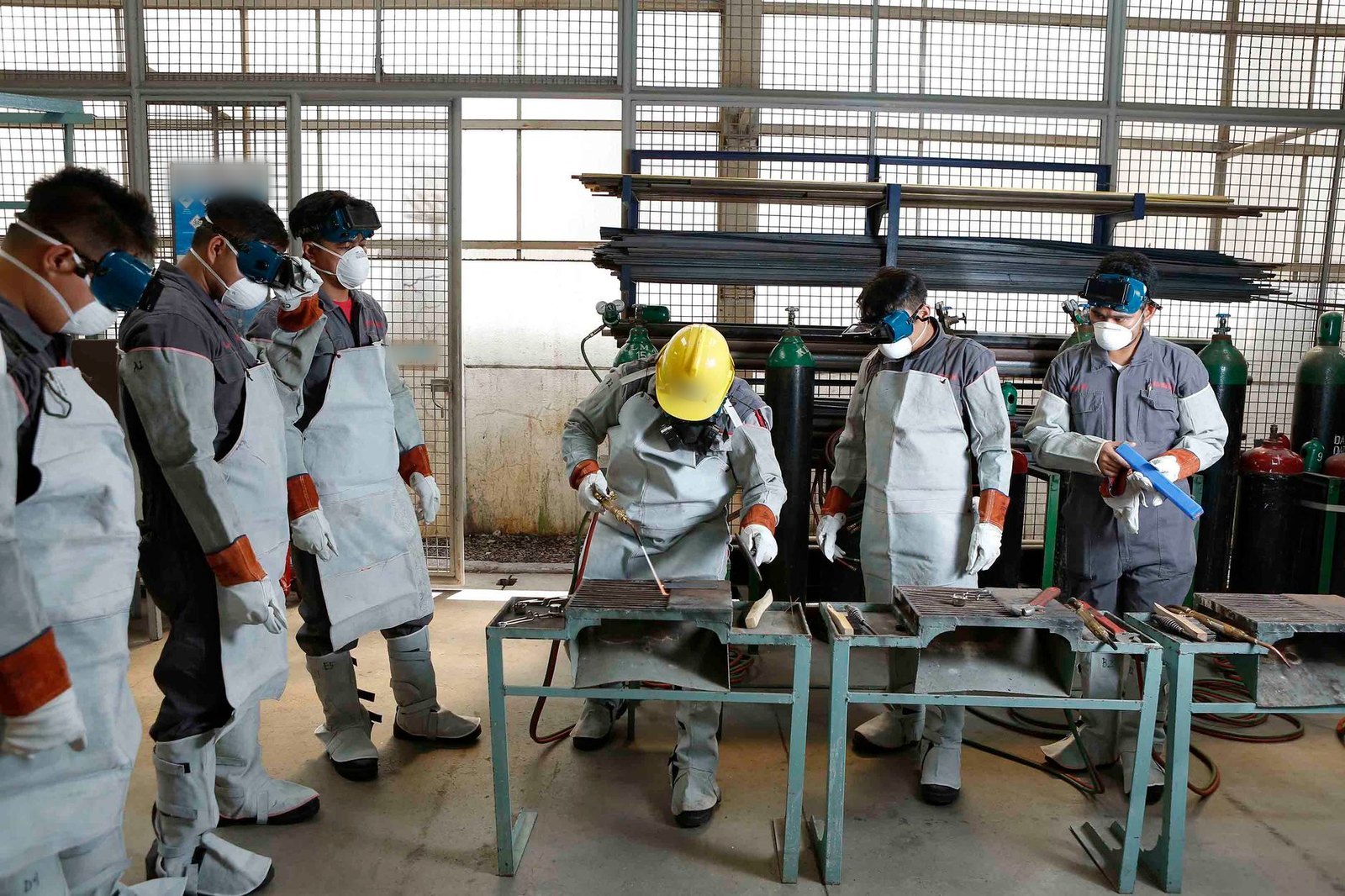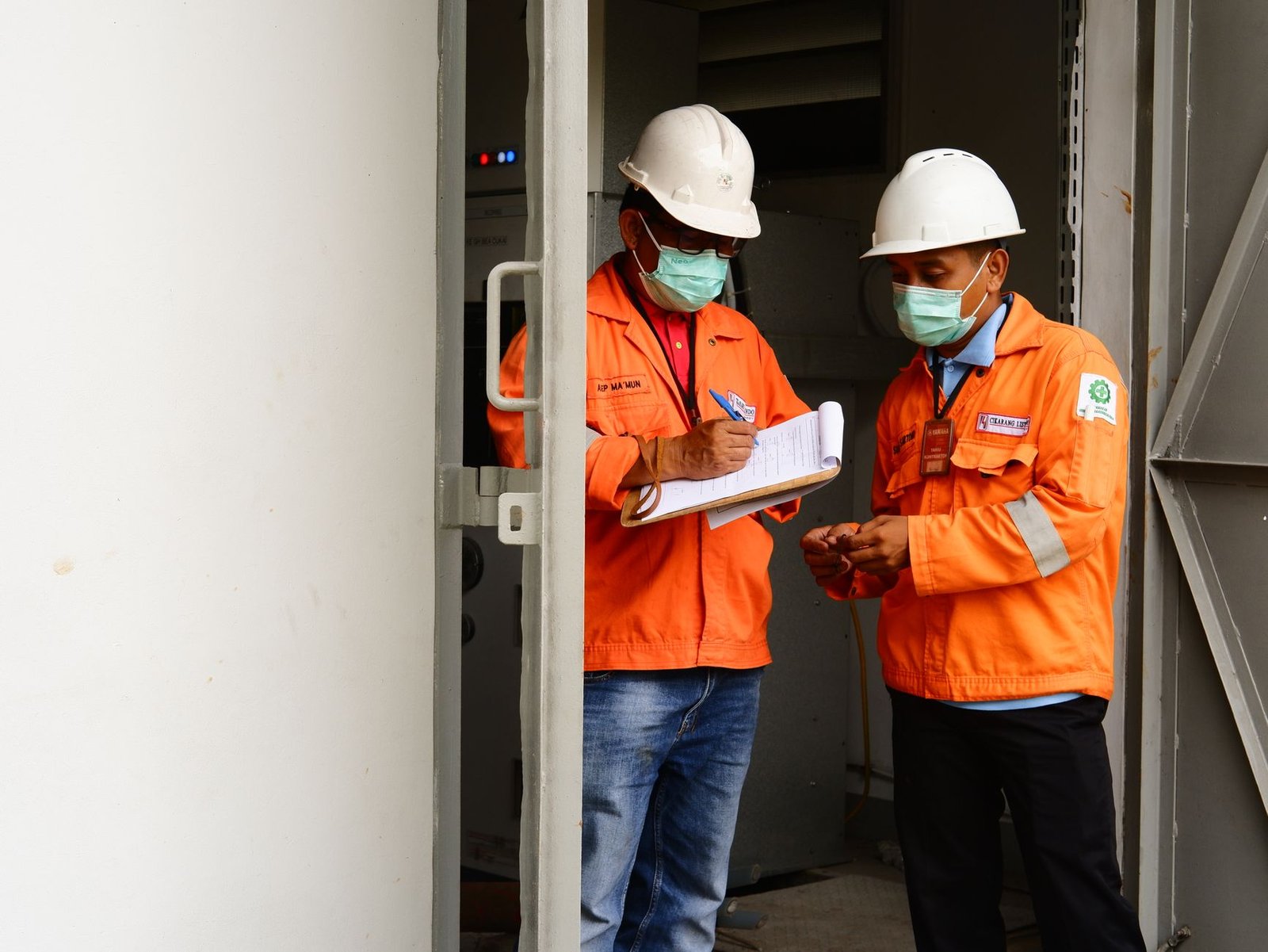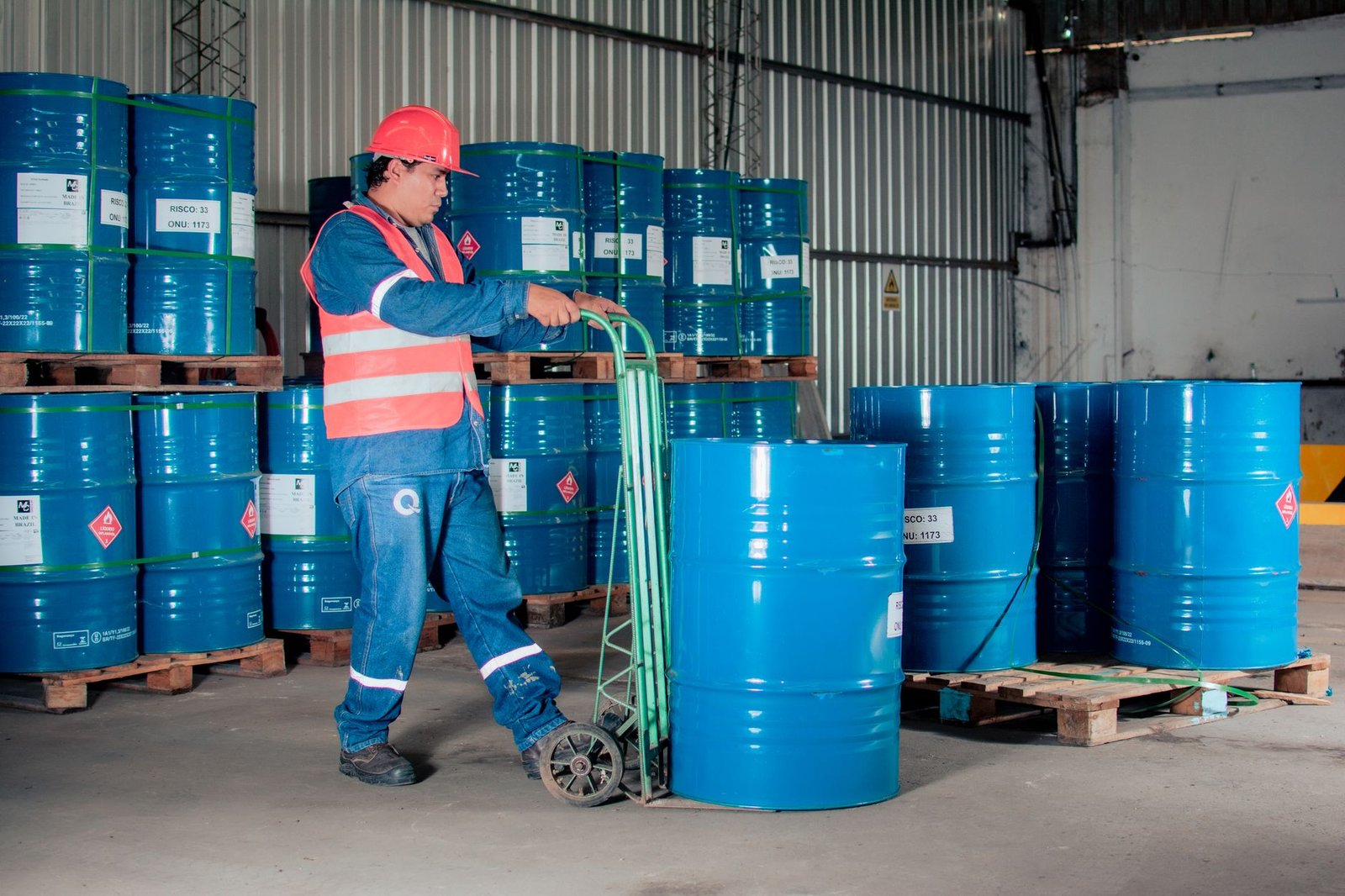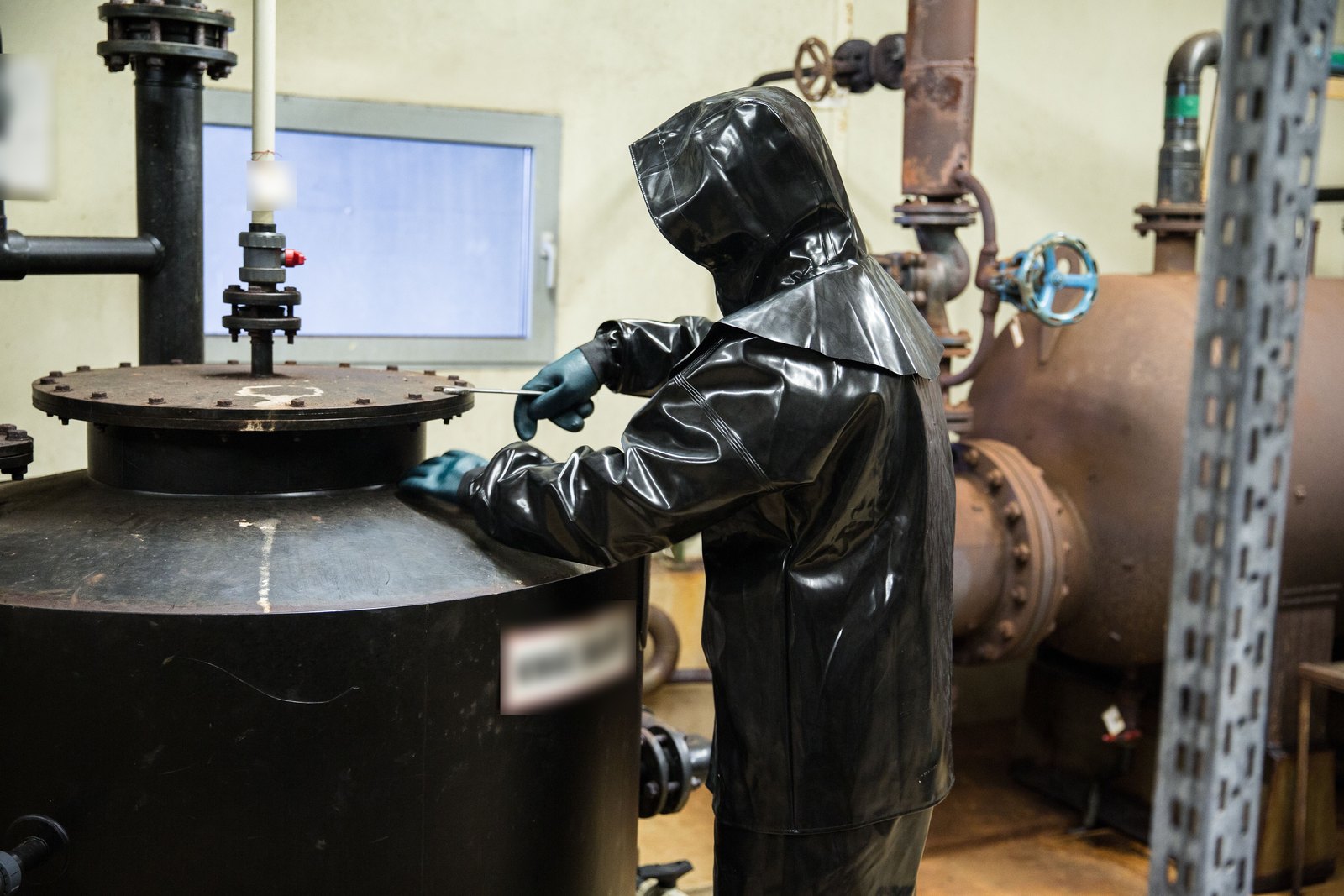
A new solvent arrives on the loading dock. The label carries a pictogram your crew last studied at orientation, two or three years ago. Whether they read it correctly today depends on what they still remember from that HazCom training.
Hazard Communication ranked second on OSHA's list of the most frequently cited standards for fiscal year 2024. The training paragraph is short. It sets two triggers for training and no annual refresher, so most of an employee's working life falls between trainings.
Table of Contents
- What OSHA 1910.1200(h) requires in HazCom training
- GHS HazCom training: what workers must be able to read
- When to retrain employees
- What makes HazCom training effective
- Why chemical hazard knowledge fades
- Keeping HazCom training from fading
- What this means for EHS leaders
- Frequently Asked Questions
What OSHA 1910.1200(h) Requires in HazCom Training
The rule sits in paragraph (h) of the Hazard Communication standard, 29 CFR 1910.1200. Paragraph (h)(1) says employers "shall provide employees with effective information and training on hazardous chemicals in their work area."
Training may be "designed to cover categories of hazards (e.g., flammability, carcinogenicity)" or specific chemicals. Chemical-specific details must always be available through labels and safety data sheets (SDSs).
The paragraph splits the content into information and training:
| Paragraph | Employees must learn |
|---|---|
| (h)(2)(i) | The requirements of the HazCom standard |
| (h)(2)(ii) | Operations in their work area where hazardous chemicals are present |
| (h)(2)(iii) | Where the written program, chemical list and SDSs are kept, and how to get them |
| (h)(3)(i) | Methods and observations to detect the presence or release of a hazardous chemical |
| (h)(3)(ii) | The physical, health and other hazards of chemicals in the work area |
| (h)(3)(iii) | "The measures employees can take to protect themselves from these hazards" |
| (h)(3)(iv) | The details of your HazCom program, including labels and how to read an SDS |
Paragraph (h)(3)(ii) names the hazard classes: physical and health hazards, simple asphyxiation, combustible dust, pyrophoric gas, and hazards not otherwise classified. Paragraph (h)(3)(iii) lists work practices, emergency procedures and personal protective equipment among the protective measures.
Scope changes who needs what. Laboratory employees receive training under (h), but the lab rule in (b)(3)(iii) drops the location of the written program. Workers who handle only sealed containers are trained "to the extent necessary" to protect them from spills or leaks ((b)(4)(iii)). Paragraph (b)(6) excludes items such as articles, consumer products used as a consumer would, and biological hazards.
The written hazard communication program is a separate requirement under paragraph (e); this article covers the training employees receive.
GHS HazCom Training: What Workers Must Be Able to Read
Paragraph (a)(1) aligns the standard with the "Globally Harmonized System of Classification and Labeling of Chemicals (GHS), primarily Revision 7." That alignment is why GHS HazCom training centers on two documents workers see every day.
The label. Under (f)(1), a shipped container's label carries a product identifier, signal word, hazard statements, pictograms, precautionary statements, and the name, U.S. address and phone number of the responsible party.
The safety data sheet. Under (g)(2), an SDS has 16 numbered sections in a fixed order. Paragraph (h)(3)(iv) requires training on labels and on "the safety data sheet, including the order of information."
The fixed order has a practical use. A worker who knows it can find the same type of information in the same place on a sheet they have never seen.
When to Retrain Employees
Paragraph (h)(1) sets two training points: "the time of their initial assignment," and "whenever a new chemical hazard the employees have not previously been trained about is introduced into their work area." For most workers, the first point is part of new employee compliance training.
The trigger is a new hazard, not a new product. In a 1993 interpretation letter, OSHA said training is required when new hazards enter the workplace, "not necessarily new chemicals." For a new product with known hazards, retraining "would merely have to assure that new products and chemicals are identified to the employees and that the hazards, if any, are recognized." The letter offers a weekly safety meeting that "highlights new chemicals in the workplace" as one way to do it.
The 2024 update adds a dated trigger. As of October 29, 2026, the eCFR text of (j)(2)(ii) requires employers to provide any additional (h)(3) training for newly identified hazards of substances "no later than November 20, 2026." For mixtures, (j)(3)(ii) sets "no later than May 19, 2028."
| Trigger | What is required |
|---|---|
| Initial assignment | Full (h)(2) information and (h)(3) training |
| New chemical hazard in the work area | Training on that hazard |
| New product, same hazards | Identify the product and make sure its hazards are recognized |
| HCS 2024, substances | Training on newly identified hazards by November 20, 2026 (as of October 2026) |
| HCS 2024, mixtures | Training on newly identified hazards by May 19, 2028 (as of October 2026) |
OSHA pushed both dates back four months in January 2026. The standard's page on osha.gov still showed the earlier July 20, 2026 and January 19, 2028 dates when checked in October 2026; eCFR carries the current text. Until the current dates, (j)(4) allows compliance with either the current standard or the version in force on July 1, 2023, or both.
Paragraph (h) sets no annual interval. A worker hired into a stable process could go years between formal sessions.
What Makes HazCom Training Effective
The key word in (h)(1) is "effective." A 2005 interpretation letter answered a question about a company that handed out a new material safety data sheet at a monthly meeting with no discussion. OSHA wrote that "The training provisions of the HCS are not satisfied solely by giving employees the" data sheets.
The letter describes training as "a forum for explaining to employees" the hazards and how to use the information. It also calls for "an opportunity for employees to ask questions to ensure that they understand the information."
That shapes any HazCom training program, whether it runs as a classroom session, a toolbox talk or HazCom awareness training for new hires. A HazCom training PowerPoint can carry the (h)(2) and (h)(3) content. On its own, a deck nobody can question is closer to handing out data sheets than to the forum OSHA describes.
Effective training produces workers who can act on a label they have never seen. A sign-in sheet records attendance. It says nothing about whether a pipefitter can name the signal word on a new drum today.
Why Chemical Hazard Knowledge Fades
HazCom training for employees often happens once, early, with long gaps after. Memory does not hold steady across those gaps.
The closest published example comes from a different rule. In a study of pesticide-safety training, vineyard workers took computer-based Worker Protection Standard training (Anger et al., Journal of Agromedicine, 2009). Training raised knowledge to 85% on the post-test, from a baseline near 75%. Five months later the re-test showed "a return towards but not back to the pre-test levels," at 78%.
That training covered agricultural pesticides under the Worker Protection Standard, not HazCom, so read it as an analogy. The material is close to HazCom content, though: hazards, labels and protective steps.
How Spacing Slows the Fade
Spacing is the countermeasure memory research keeps finding. A review in Psychological Bulletin pooled "839 assessments of distributed practice in 317 experiments located in 184 articles" (Cepeda et al., 2006). The best gap between study sessions grew as the time the material had to be remembered grew. By that logic, knowledge needed for years calls for review spread across those years.
Keeping HazCom Training From Fading
Blank Slate applies that research. It is a cognitive-readiness platform built on AI-optimized spaced retrieval. Spaced retrieval combines spaced repetition (reviewing material over time) with retrieval practice (answering from memory instead of rereading).
Blank Slate works on top of the training content you already have. Workers answer questions in short sessions (about 60 seconds), 3-4 times a week, adding up to a few minutes a week. True Knowledge Level™, Blank Slate's real-time readiness metric, shows what a person or team knows now.
The Evidence Behind It
The evidence runs from the lab to the field. In a randomized trial with university students, Blank Slate's spaced retrieval matched daily review's retention in about one-third of the study time (McHugh et al., 2021).
The same pattern held in demanding training. US Air Force pararescue trainees rose from 67% to 81% accuracy over 16 weeks, averaging about 100 seconds of use per week (I/ITSEC 2023). In a year-long case study, data-center security guards who started below their team's median rose from about 56% to over 90% accuracy (Smith, MODSIM World 2025). They used three short sessions a week, six questions each.
No study above measured chemical hazard knowledge. They show retention holding up with very little time spent, in both classrooms and frontline work.
What Blank Slate Does Not Replace
Blank Slate does not deliver the training 1910.1200(h) requires. It does not replace initial training, new-hazard training, the chance to ask a trainer questions, or access to labels and SDSs. It reinforces and measures retention between them. It also coexists with your LMS, which records completion while Blank Slate shows retention (see the difference).
What This Means for EHS Leaders
The standard leaves the interval between trainings to you. That leaves a question with the employer: how much of the hazard knowledge your crews were given is still there?
Two moments make that question concrete. The first is the November 20, 2026 date (as of October 2026) for newly identified substance hazards, which may require additional training anyway. Knowing how much of the basics employees have lost lets that session refresh the basics too. The second is every new hazard that enters a work area: retraining goes further when label and SDS recall is already solid.
A training needs assessment applies the same logic across a site's programs. Teams running emergency response work face similar decay in HAZWOPER training. See how Blank Slate supports industrial safety teams.
Start by finding your team's knowledge gaps on labels, SDSs and protective measures before the next new hazard arrives.
Frequently Asked Questions
How often is HazCom training required?
OSHA requires HazCom training at initial assignment and whenever a new chemical hazard is introduced into an employee's work area. Paragraph 1910.1200(h) sets no annual refresher. As of October 2026, the 2024 update also requires any additional training on newly identified substance hazards by November 20, 2026.
What must HazCom training include?
Under 1910.1200(h)(3), training covers how to detect a release, the physical and health hazards in the work area, protective measures such as work practices, emergency procedures and PPE, and your program's labels and SDSs. Employees must also learn where the written program, chemical list and SDSs are kept.
Do employees need new HazCom training for every new chemical?
No. Training is required for a new hazard, not every new product. OSHA's 1993 interpretation says a new chemical with familiar hazards needs only to be identified to employees, with its hazards recognized. A chemical that brings a hazard they were never trained on requires training on that hazard.
Is a HazCom training PowerPoint enough to meet OSHA requirements?
A slide deck can carry the required content, but OSHA expects training to be effective. Its 2005 interpretation says handing out data sheets alone does not satisfy the standard and calls for a chance to ask questions. Blank Slate can then reinforce and measure what employees retain, alongside the LMS that records completion.
HazCom training happens at hire and when hazards change. A Knowledge Gap Audit shows what your crews know today and where to focus first, so retraining goes where recall has slipped.