Most training calendars are built from last year's calendar. The annual refresher comes due, the course gets booked, and everyone sits through all of it, including the parts they still know cold. A training needs assessment flips that order: you find out what people actually know first, then train the gaps.
For an EHS manager, a nurse educator or a chief of training, that order matters. Every hour spent re-teaching what a crew already knows is an hour not spent on the procedure they have quietly forgotten.
Table of Contents
- What is a training needs assessment?
- Why the assessment comes before the course
- The three levels of analysis
- How to conduct a training needs assessment
- Training needs assessment questions and template
- Why surveys miss the gaps that matter
- Keeping the assessment current
- Where the assessment points next
- Frequently Asked Questions
What Is a Training Needs Assessment?
A training needs assessment (also called a training needs analysis, or TNA) is the process of collecting and analyzing data to decide what training a workforce needs. A review of TNA research in Brazilian Administration Review describes it as "the organizational process of collecting and analyzing data that supports decision making" (Ferreira & Abbad, 2013).
In the training design process, needs assessment is step one. Design, delivery and evaluation all depend on it:
- Assess needs: what must people know, and what do they know now?
- Design: build content that targets the difference.
- Deliver: run the training.
- Evaluate: check whether the gap closed.
Skip the first step and the other three are aimed at a guess. Evaluation frameworks such as the Kirkpatrick Model measure what training changed. A needs assessment sets the baseline those changes are measured against.
Why the Assessment Comes Before the Course
The importance of a training needs assessment is easiest to see in what happens without one. The same review reports that "training needs diagnoses have been done in an unsystematic manner in organizational settings" (Ferreira & Abbad, 2013). In practice, that usually means one of three things:
- Everyone gets everything. The full course repeats for people who already know most of it.
- The loudest request wins. Training follows whoever asked last, even when the risk sits somewhere else.
- Completion stands in for knowledge. A signed roster is treated as proof the content is still there.
The third one is the costliest for regulated teams. A completion record tells you someone sat through a session on a given date. It says nothing about what they would recall on shift today. Our piece on tracking employee training covers why that difference matters for audits.
The Three Levels of Analysis
A large review of training research in Psychological Science in the Public Interest summarizes the job well. A training needs analysis is "a diagnosis of what needs to be trained, to whom, and in what organizational system" (Salas et al., 2012). The review does not name levels of analysis, but the three questions line up with three levels (organization, task and person), summarized in our own table below.
| Level | Question it answers | Typical data |
|---|---|---|
| Organization | Where does a knowledge failure carry the most risk? | Incident reports, audit findings, new regulations, strategy changes |
| Task or role | What must someone in this role know to do the job safely? | Procedures, standards, job descriptions, subject-matter experts |
| Person | Who is missing which pieces right now? | Knowledge checks, observation, performance data |
Many organizations do the first two reasonably well. They know their regulations and their procedures. The person level is where assessments tend to stop short, because measuring what each individual knows takes more than a meeting and a spreadsheet.
How to Conduct a Training Needs Assessment
A needs assessment for training does not have to be a six-month project. For a single program, the steps below fit in a few weeks.
1. Name the outcome at risk
Start with a consequence. "Fewer lockout errors in maintenance" or "faster, correct alarm response on night shift" gives the assessment a target.
2. List the knowledge the outcome depends on
Pull it from the documents that already govern the work: procedures, prevention plans, checklists, protocols. Break it into specific, testable facts. "Knows the lockout procedure" is too broad to measure; "knows which energy sources on Line 3 need separate isolation" is not.
3. Measure what people know now
Ask people to retrieve the answers. Short, scenario-based questions answered by each person give you data you can sort by team, role and topic.
4. Find the gaps by team and role
Compare required knowledge with measured knowledge. The gap is rarely spread evenly. One unit may be strong on procedure but weak on reporting steps; another may show the reverse. A skills gap analysis does this comparison skill by skill.
5. Match each gap to the right fix
Some gaps need a full course. Some need a short refresher on two topics. Some are not training problems at all (a missing tool, an unclear procedure, staffing). Sort them before you book anything.
6. Set the re-check date
Knowledge changes after the assessment ends. Decide now when and how you will measure again.
Training Needs Assessment Questions and Template
Good training needs assessment questions work at all three levels. A starting set:
Organization
- Which incidents, near misses or audit findings in the last year trace back to someone not knowing or not remembering a step?
- Which regulations, procedures or equipment changed recently?
- Where would a knowledge failure hurt most: people, patients, compliance or operations?
Task or role
- What does someone in this role need to recall without looking it up?
- Which steps are performed rarely but matter most when they are?
- What does a supervisor check first when they audit this job?
Person
- Can this employee answer the critical questions for their role today?
- Which topics do they get wrong on the first try?
- How does their accuracy compare with others in the same role?
A simple training needs assessment template then records one row per knowledge area:
| Knowledge area | Roles affected | Current accuracy | Gap | Action | Re-check |
|---|---|---|---|---|---|
| Lockout steps for Line 3 | Maintenance techs | Measured, by person | Below target | Targeted refresher | 30 days |
| Spill reporting | All shifts | Measured, by person | Within target | No training | 90 days |
A sample training needs assessment
Here is a training needs assessment example, using a hypothetical hospital. Its education team needs to plan the year's fall-prevention and fire-safety refreshers. Instead of booking the full annual course for every unit, it runs a short knowledge check first.
The results show Med-Surg strong on fall-prevention steps but weak on the fire alarm sequence. The Emergency Department shows the opposite. Facilities staff are strong on both. The plan that follows is two targeted refreshers, aimed at two units, and nothing booked for Facilities.
Why Surveys Miss the Gaps That Matter
Many training and development needs assessments rely on surveys that ask employees or managers what training they need. That data has a known weakness.
A review of self-assessment research found that "the correlation between self-ratings of skill and actual performance in many domains is moderate to meager" (Dunning, Heath & Suls, 2004). In the workplace, it added, "employees tend to overestimate their skill." The TNA review cites a related recommendation: assessments should be based on observable skills rather than on leaders', managers' and professionals' perceptions (Wright & Geroy, 1992, cited in Ferreira & Abbad, 2013).
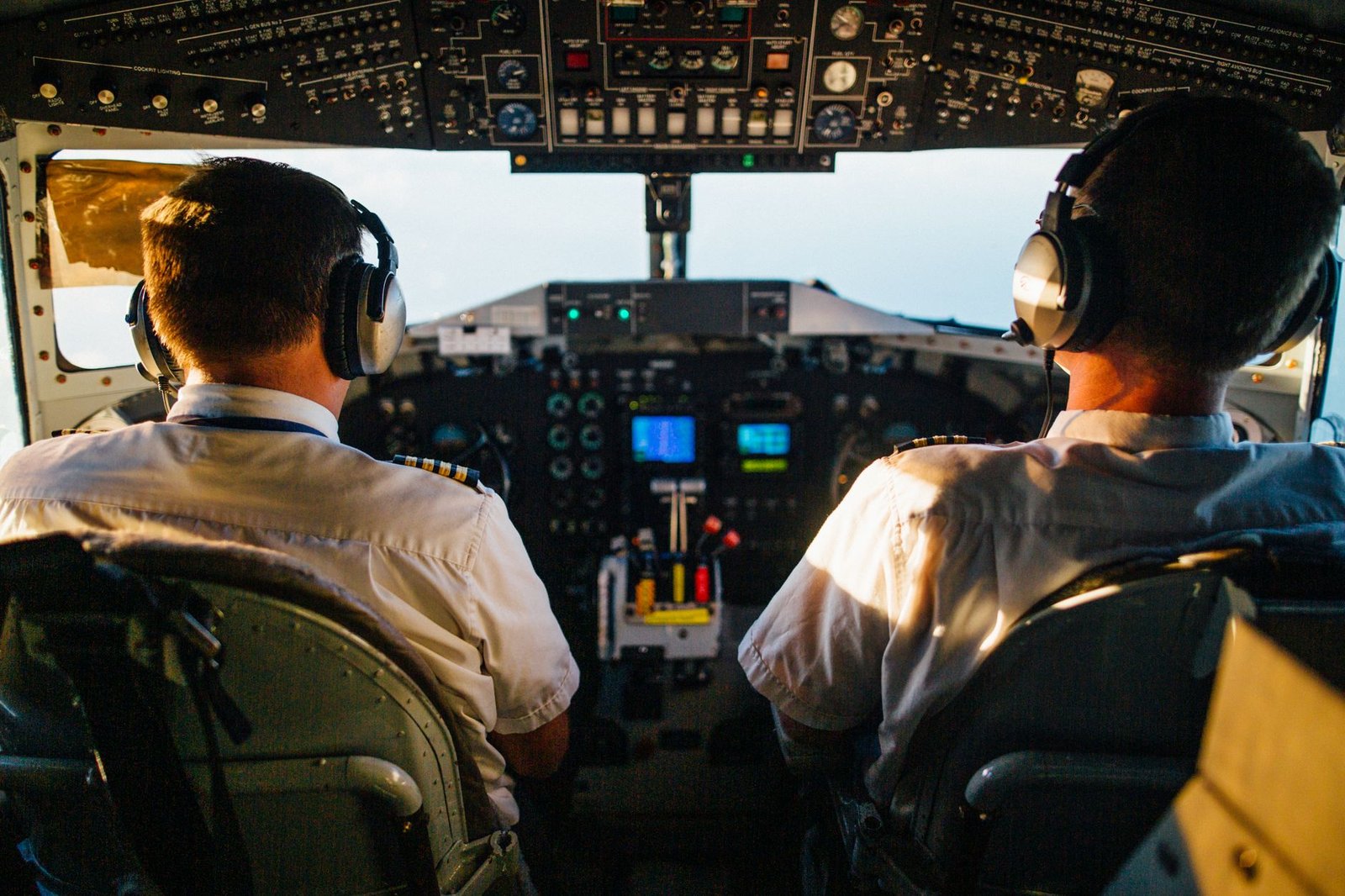
Blank Slate's own data shows the same pattern in highly qualified people. Thirty-seven F-16 and C-17 pilots in one study averaged 66.9% accuracy the first time they answered each operational knowledge question (Smith & Randolph, conference paper for I/ITSEC 2026). These were fully qualified aviators, and a self-rating survey would likely have missed the gap. A Blank Slate analysis of overconfidence notes that Air Force pilots in its research "demonstrate job confidence that exceeds their knowledge proficiency levels."
The most reliable needs data comes from people answering real questions about their job.
Keeping the Assessment Current
A one-time assessment is a snapshot. Memory without reinforcement fades, so the gaps you measured in January will not be the gaps you have in June. A useful assessment keeps measuring.
That is the job Blank Slate does. Blank Slate is a cognitive-readiness platform built on AI-optimized spaced retrieval: spaced repetition (reviewing material over time) combined with retrieval practice (answering from memory instead of rereading). Employees answer short questions in brief sessions (about 60 seconds), 3-4 times a week, adding up to a few minutes a week. Each answer is a data point, and the platform's True Knowledge Level™ shows what a person or team knows now.
The evidence behind it
In a year-long case study of 70 data-center security guards presented at MODSIM World 2025, guards who started below the team median rose from about 56% to over 90% accuracy (Smith, MODSIM World 2025). They used three short sessions a week, six questions each. The pilots above rose from 66.9% to 81.4% first-attempt accuracy, a 21.6% relative improvement (Smith & Randolph, I/ITSEC 2026). A randomized controlled trial adds the time cost: Blank Slate's spaced retrieval matched daily review's retention in about one-third of the study time (McHugh et al., 2021).
Blank Slate does not deliver the training a regulator requires, and it does not replace hands-on practice. It coexists with your LMS: the LMS records what people completed, and Blank Slate shows what they still know (see the difference). The how it works page shows the setup.
The same logic applies to any skill that has to be ready on demand, from lockout steps to de-escalation training.
Where the Assessment Points Next
A needs assessment usually ends with a list of courses. The more useful output is a decision about scope: which two or three gaps carry the most risk, and which teams hold them. It is also the brief for customized training.
That decision changes the budget. Training aimed at measured gaps is smaller, faster and easier to justify than a full annual repeat. If you cannot yet see knowledge by team and role, start there. A Knowledge Gap Audit measures what your people know today, before you spend the training hours.
Frequently Asked Questions
What are the three levels of a training needs assessment?
Organization, task and person. The organization level finds where knowledge failures carry the most risk. The task level defines what each role must know. The person level measures who is missing which pieces now.
Who should be involved in a training needs assessment?
Leaders, subject-matter experts and the employees themselves. Research on needs assessment advises against questioning only top managers and recommends including employees at different levels. Knowledge checks answered by frontline staff give the most reliable person-level data.
How often should you conduct a training needs assessment?
No rule sets one schedule. Many teams review needs yearly and whenever regulations, procedures or equipment change. Because knowledge fades between training sessions, teams that measure continuously can see gaps open as they happen, instead of discovering them at the next annual review.
Can a survey replace a knowledge check in a needs assessment?
No. Self-assessment research finds only a moderate to meager link between how skilled people rate themselves and how they actually perform. Surveys help with priorities and context, but measured answers to real questions show the actual gaps.
Your team completed last year's training. A Knowledge Gap Audit shows what they still know today and where to focus first, so the next round of training goes where the gaps are.