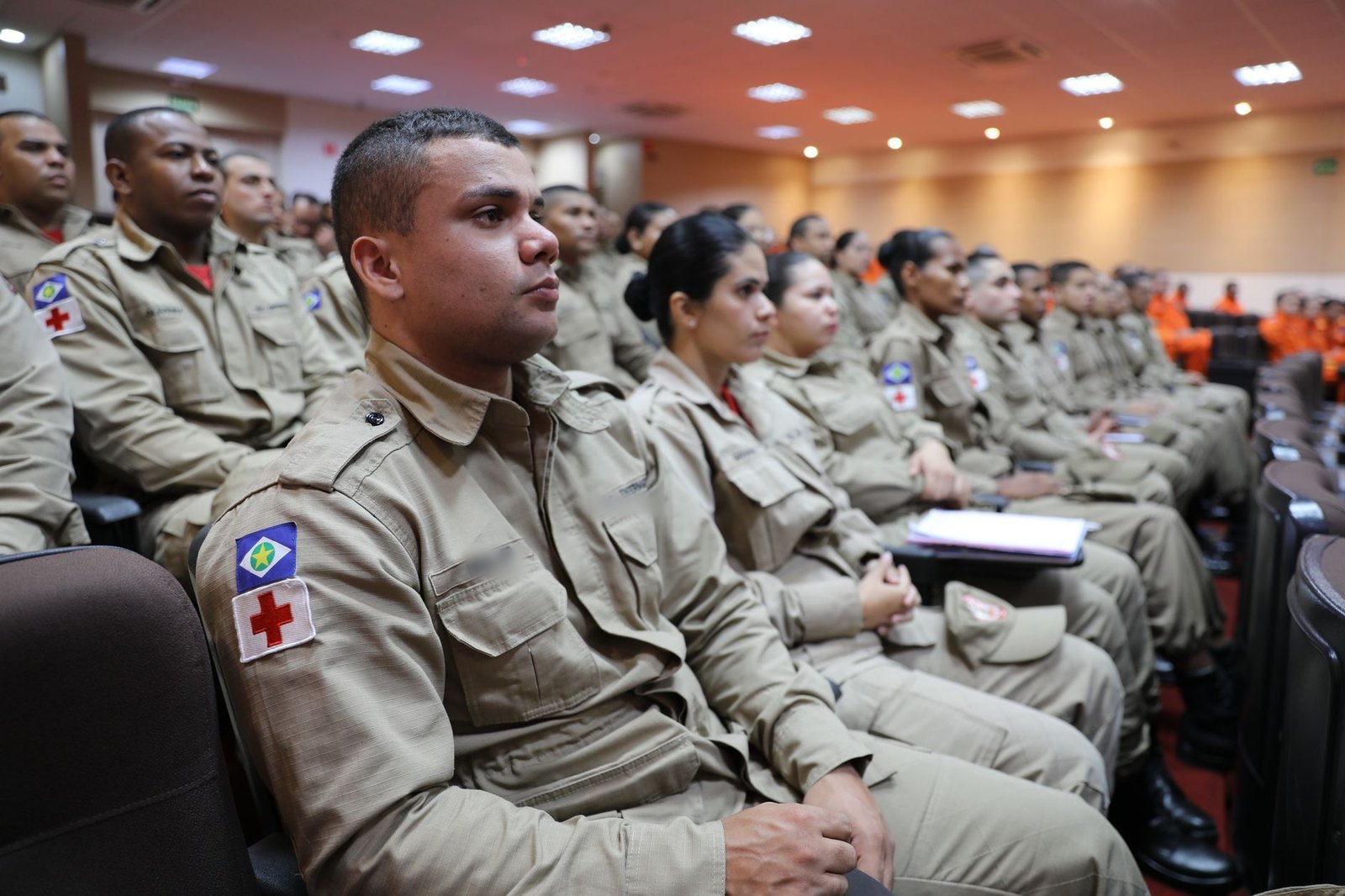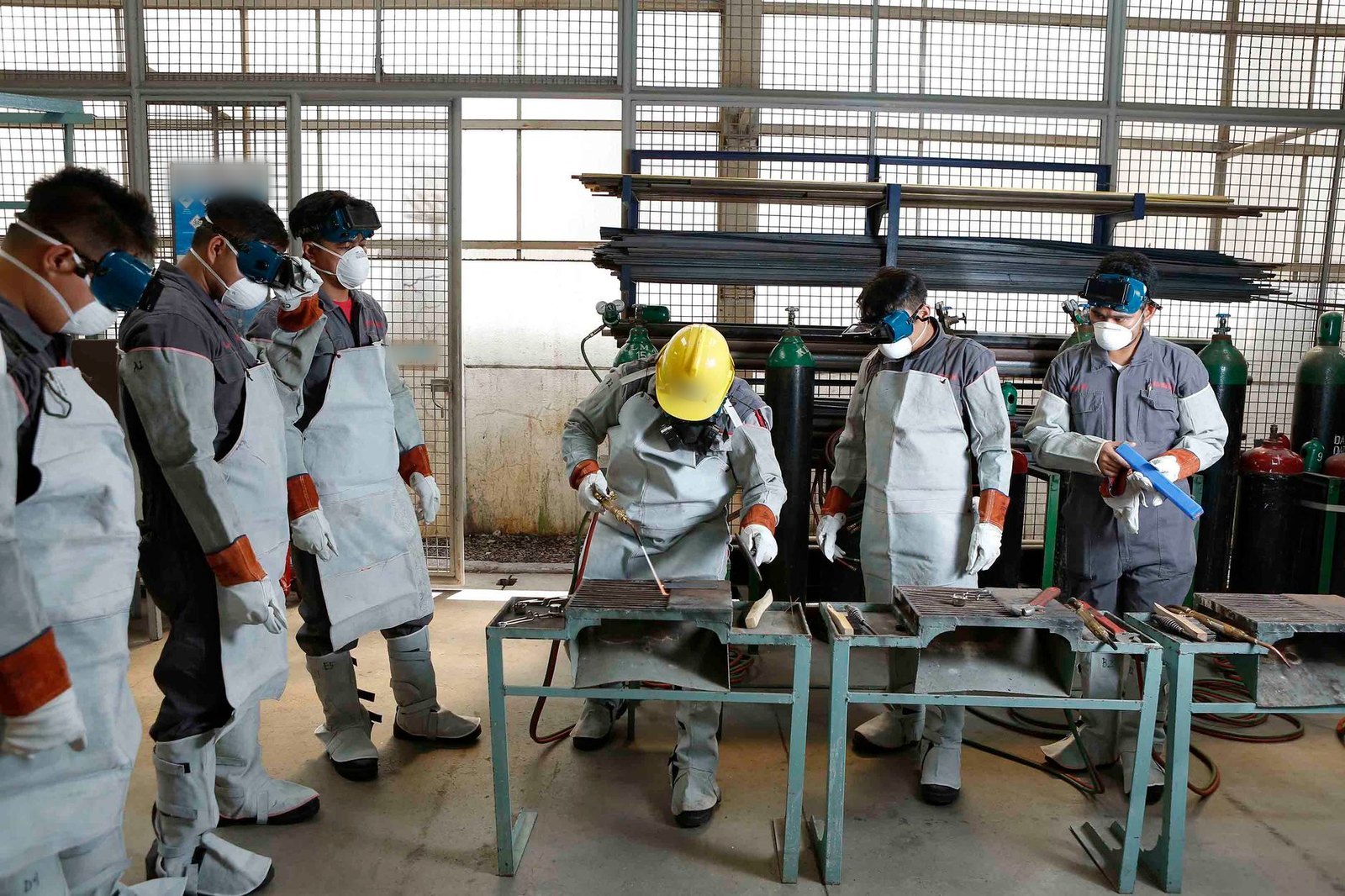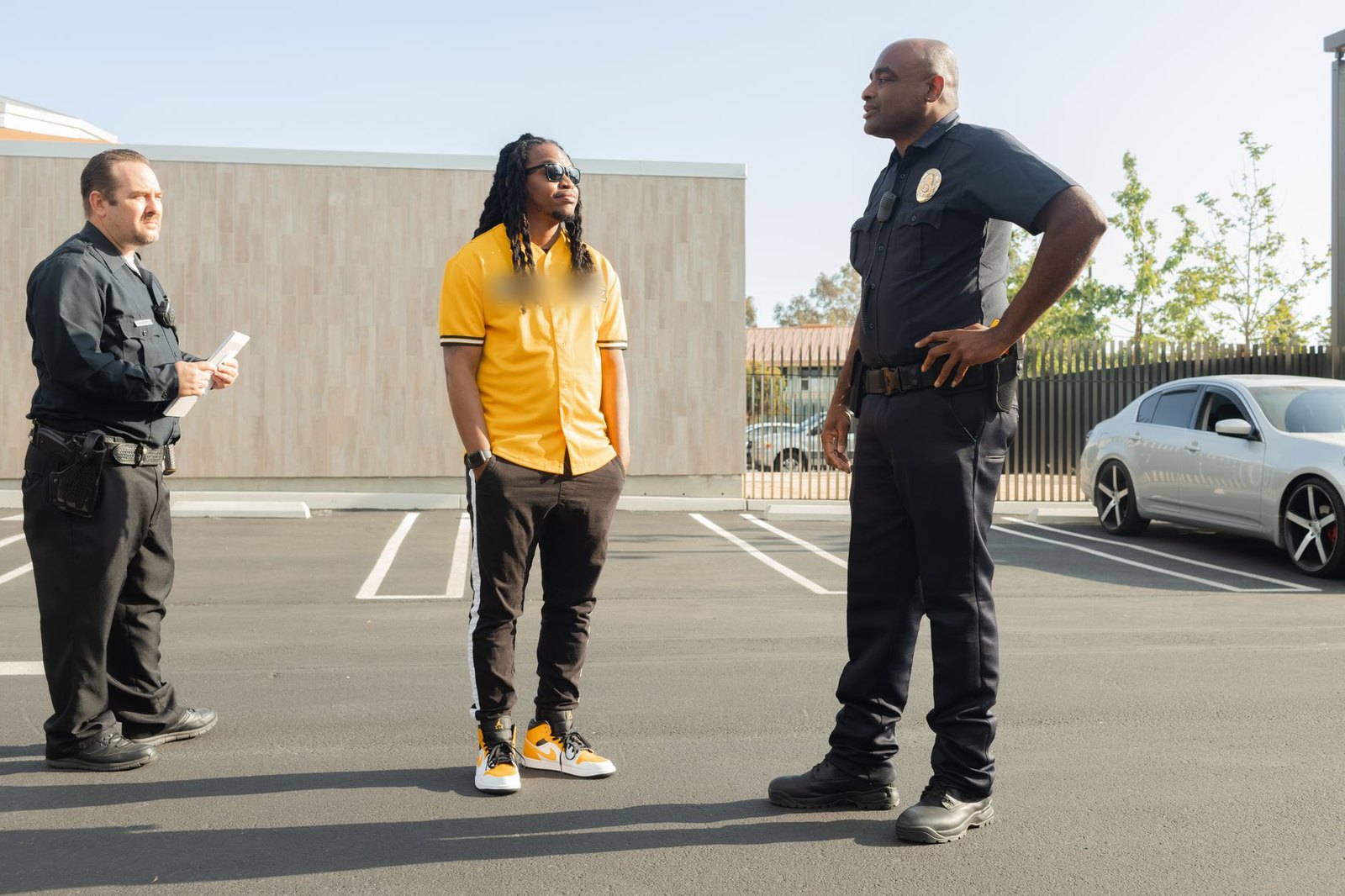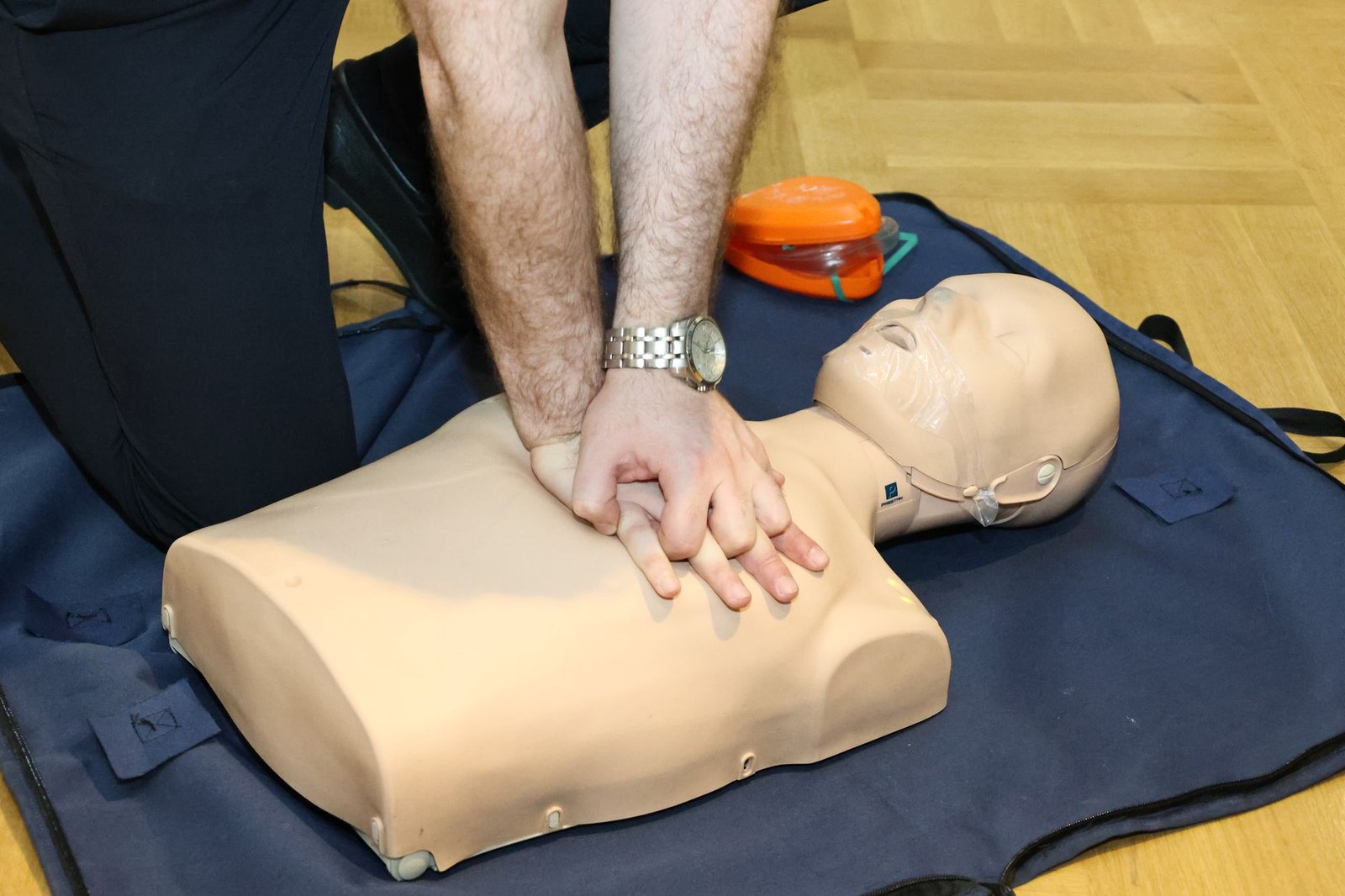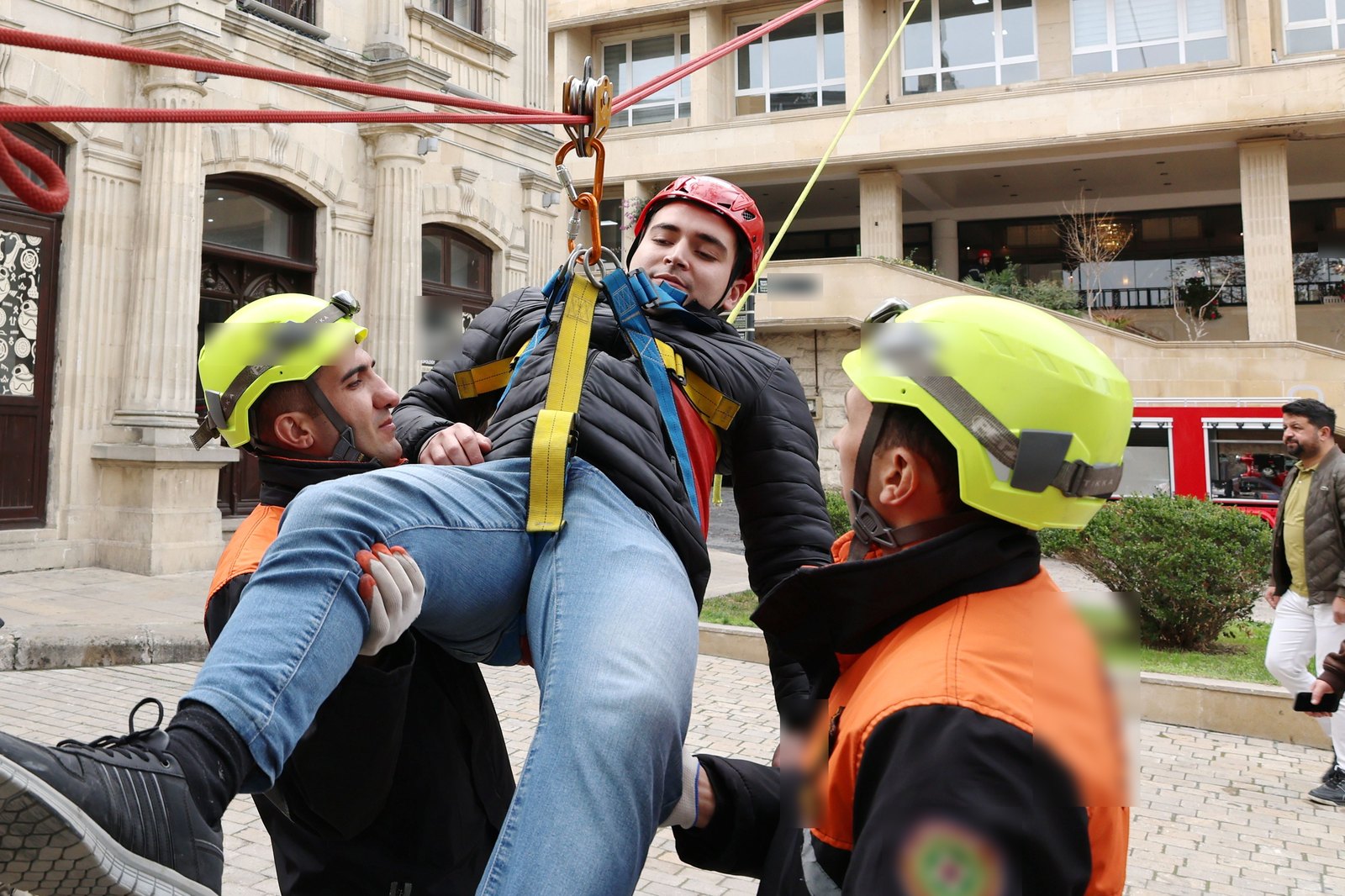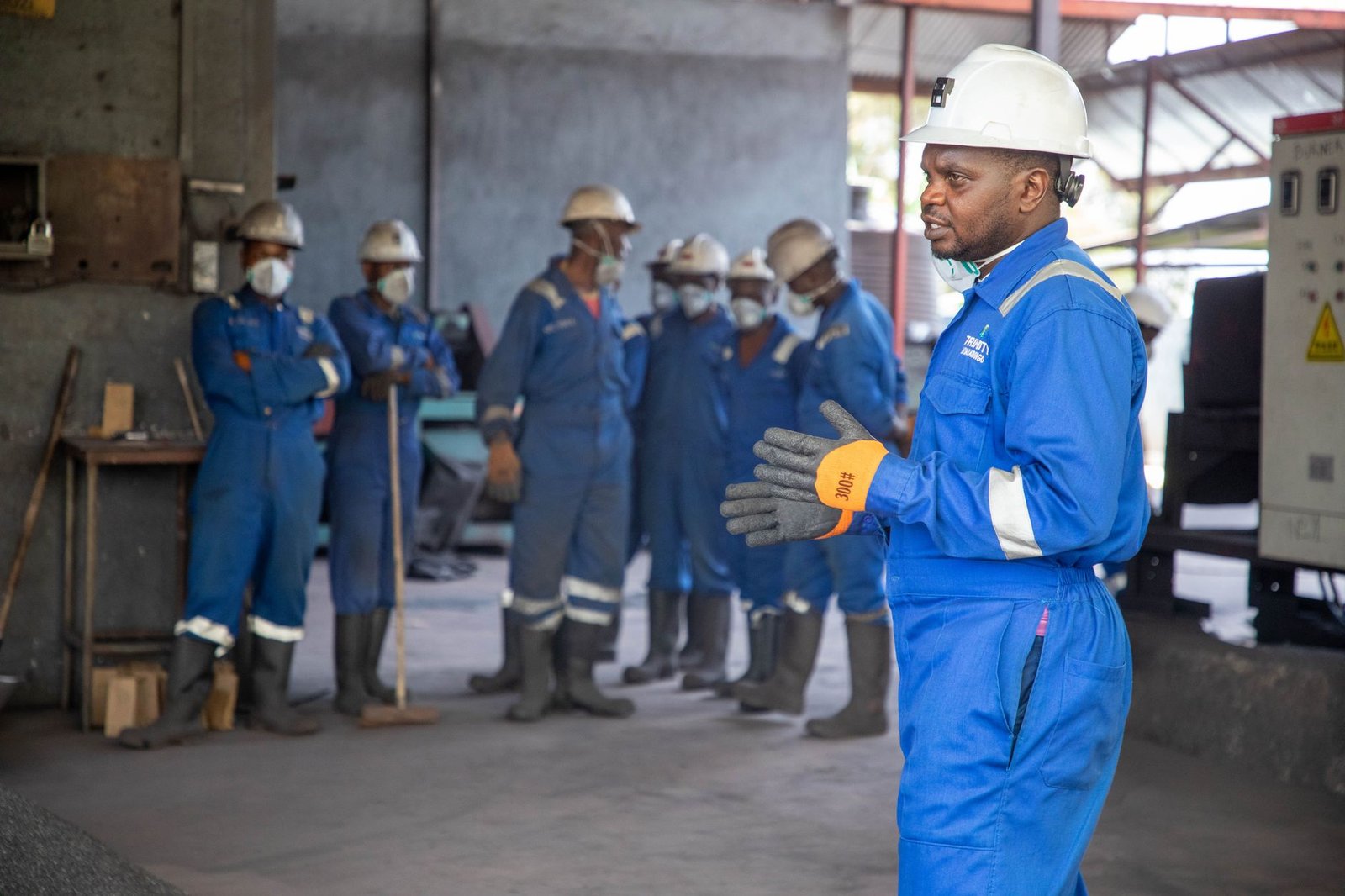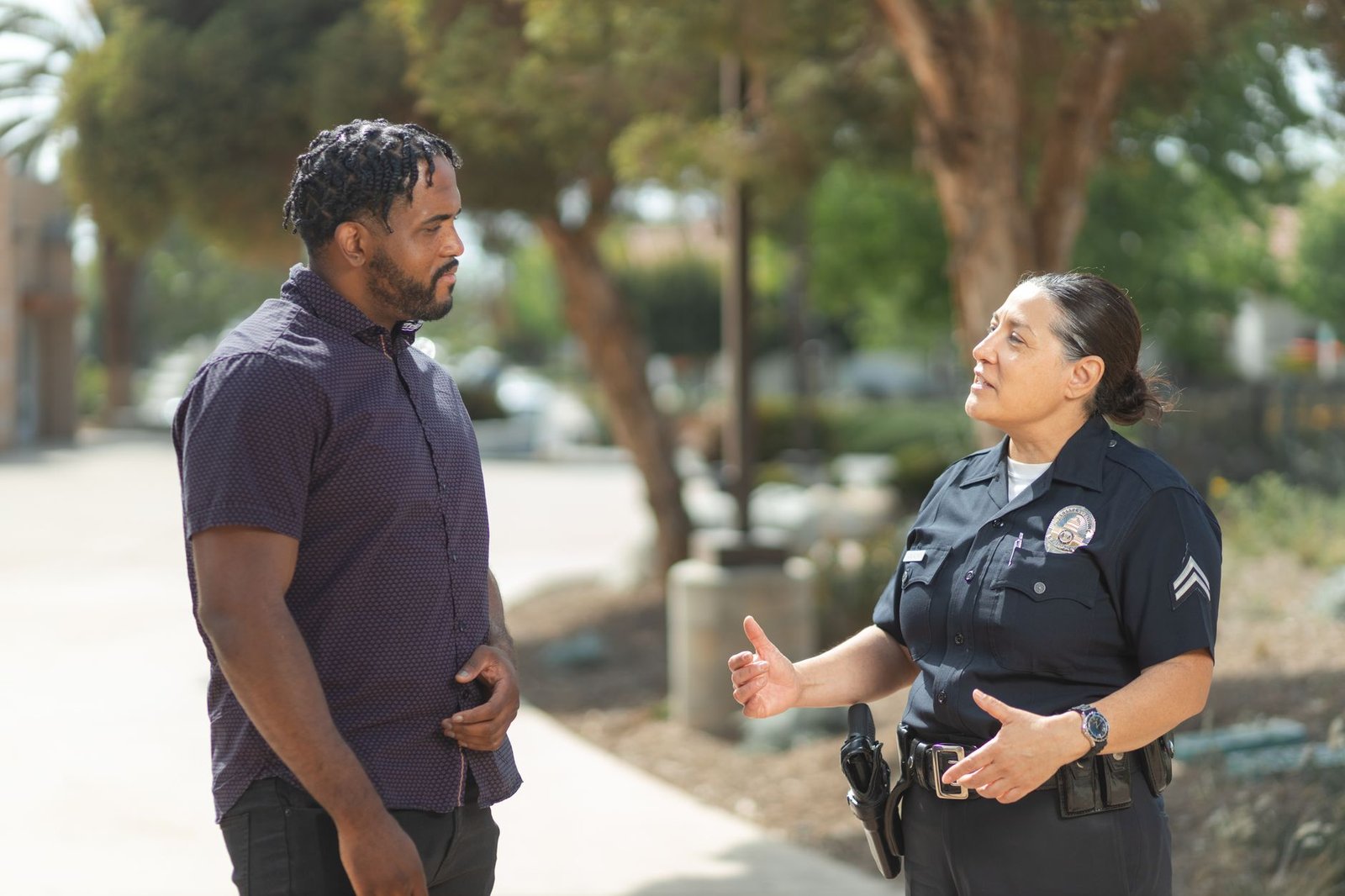
A nurse calms an agitated visitor in under a minute. A security officer talks a shouting customer down without touching him. Both moments look like instinct, but each one draws on de-escalation training the employee may have last practiced months ago.
That gap is the real problem for employers. Most de-escalation training programs are delivered once at hire and refreshed once a year. The moment that tests them can come on any shift in between, with no time to look anything up.
Table of Contents
- What de-escalation training covers
- Who needs de-escalation training for employees
- Online, in person or blended programs
- What the research says about de-escalation techniques training
- Why the skill fades before the moment it matters
- How to keep de-escalation training ready
- Where to check first
- Frequently Asked Questions
What De-Escalation Training Covers
De-escalation is the set of verbal and nonverbal skills an employee uses to lower the temperature of a confrontation before it turns physical. Good programs teach it as a sequence.
Most de-escalation techniques training covers:
- Recognizing early warning signs: pacing, raised voice, clenched hands, fixed stare, sudden silence.
- Verbal techniques: a calm, low voice, short sentences, acknowledging the person's frustration, offering limited choices.
- Nonverbal techniques: open posture, a safe distance, never blocking an exit, positioning near your own way out.
- Crisis de-escalation: what to do when talking stops working, including when to step back, call for help or activate an alarm.
- Reporting and debrief: documenting the incident and reviewing what happened with the team.
The skills look simple on a slide. Under pressure, with someone shouting at you, they compete with every instinct to argue back or walk away.
Police agencies train de-escalation too, under their own policies and use-of-force rules; de-escalation training for law enforcement is a separate subject. This article is for employers in healthcare, security and other workplaces.
Who Needs De-Escalation Training for Employees
There is no single federal rule. OSHA states plainly that "there are currently no specific OSHA standards for workplace violence." Requirements come from state rules, accreditors and the employer's own risk.
| Setting | Source | What it requires |
|---|---|---|
| California health care facilities, home health, EMS, drug treatment (not CDCR-operated facilities) | Cal/OSHA Title 8, Section 3342 | Initial training at hire or new assignment; annual refresher for patient-contact staff and supervisors |
| California health care response teams | Section 3342(f)(3) | Verbal intervention and de-escalation techniques, before initial assignment and at least annually, with practice alongside coworkers |
| Joint Commission accredited hospitals | 2026 National Performance Goals, NPG.02.04.01 | Training in de-escalation and nonphysical intervention at hire, annually, and whenever the program changes |
| Security, retail, social services, other workplaces | OSHA general guidance; employer policy | No federal standard; OSHA advises training on warning signs and how to respond |
Hospitals and health care facilities
Healthcare has the most specific rules. In California, Section 3342 requires initial training covering "how to recognize the potential for violence" and "strategies to avoid physical harm." Staff assigned to respond to violent incidents get more: "verbal intervention and de-escalation techniques," the assault cycle, and an opportunity to practice "with other employees they will work with."
The Joint Commission's 2026 National Performance Goals require accredited hospitals to train staff in de-escalation and nonphysical intervention skills at hire, every year and whenever the prevention program changes. Each hospital decides which parts of the training apply to each role. See how Blank Slate supports healthcare teams that carry these requirements.
Security and other workplaces
For security, retail, social services and front-desk roles, no federal rule sets the content. OSHA's general guidance is that workers should be trained on prevention methods and the signs of potential violent behavior, and on how to react when an incident occurs. Beyond any state rule that applies, the rest is employer policy, which makes the employer responsible for proving the skill is still there. Blank Slate's private security work starts from that reality. For guard-force supervisors, coaching the reports guards write after an incident is a skill of its own, covered in security guard report writing.
Online, In Person or Blended Programs
Buyers comparing de-escalation training programs face three formats. Each one handles a different part of the skill.
| Format | Good for | Limits |
|---|---|---|
| Verbal de-escalation training online | Concepts, warning signs, policy, reporting steps; scales across shifts | No live practice under stress |
| In-person, scenario-based | Rehearsing voice, posture and team response | Expensive, hard to schedule, delivered rarely |
| Blended | Online knowledge plus periodic live drills | Still leaves months between sessions |
De-escalation training online works for the knowledge layer. It cannot replace practice where a rule requires it: California's response-team training explicitly includes practicing the techniques with coworkers, followed by a debrief.
For employers, the format question matters less than the interval question. Whatever you buy, it is delivered on a schedule. The incident is not.
What the Research Says About De-Escalation Techniques Training
The evidence on de-escalation training is more modest than most course brochures suggest, and it points in one consistent direction.
A systematic review of 38 studies of mental health staff training (Price et al., British Journal of Psychiatry, 2015) found the strongest impact on de-escalation knowledge and on confidence to manage aggression. The authors could draw no strong conclusions about assaults or injuries. In several of the qualitative studies, participants asked for more frequent training and regular refresher courses to maintain what they had learned.
A Cochrane review of nine studies with 1,688 healthcare workers (Geoffrion et al., 2020) painted a similar picture. Education may increase knowledge about workplace aggression at short-term follow-up. Over the long term, the evidence on that knowledge was very uncertain, and training did not reduce reported aggression.
Read together, the two reviews point the same way: what de-escalation training moves most consistently is what people know and how confident they feel. Those are exactly the gains that need protecting after the session ends.
Why the Skill Fades Before the Moment It Matters
Memory without reinforcement does not hold flat. The forgetting curve, first measured by Hermann Ebbinghaus in the 1880s, shows recall dropping fastest in the days after learning. An annual cycle leaves eleven months for that drop to happen.
De-escalation adds a second problem: the knowledge has to come back mid-confrontation, with no chance to check a policy first. The details that fade first are the ones employees use least:
- The early warning signs specific to your patients, visitors or site
- The exact steps for calling a response team or triggering an alarm
- Phrases that calm, and phrases that inflame
- When to disengage and leave the room
- Reporting steps required by your prevention plan
None of this shows up in a training record. The LMS shows a completion date, which tells you nothing about what an employee would do this afternoon.
| What the record shows | What readiness requires |
|---|---|
| Course completed at hire | Recall of warning signs today |
| Annual refresher date | Knowledge held between refreshers |
| Pass on the end-of-course quiz | Correct steps under stress, months later |
| Same course for every role | Reinforcement aimed at each person's gaps |
How to Keep De-Escalation Training Ready
The course is the floor. Keeping it ready is a separate job, and it works best as a small, steady habit.
1. Build questions from your own plan
Pull questions from your workplace violence prevention plan, alarm procedures and incident reports. Those documents hold the facts your people need on your units and posts.
2. Use spaced retrieval between sessions
Spaced retrieval combines two well-tested methods: spaced repetition (reviewing material over time) and retrieval practice (pulling an answer from memory instead of rereading it). Blank Slate delivers AI-optimized spaced retrieval in short (about 60-second) sessions, three or four times a week, adding up to a few minutes a week.
The proof comes from frontline settings. In a year-long case study of 70 data-center security guards presented at MODSIM World 2025, guards who started below their team's median rose from about 56% to over 90% accuracy (Smith, MODSIM World 2025). They used three short sessions a week.
In healthcare, a pilot co-authored with Mass General nursing leaders found that nursing staff using Blank Slate improved fall-prevention knowledge, confidence and safety-checklist completion (Journal of Patient Safety, 2025). The small six-week pilot found no change in patient falls. It is a protocol-retention result, not a de-escalation study.
Time matters to teams with no spare hours. In a randomized controlled trial, Blank Slate's spaced retrieval matched daily review's retention in about one-third of the study time (McHugh et al., 2021).
3. Measure readiness by unit and role
Completion data is binary. Retention data shows which unit is weak on alarm procedures and which shift has forgotten the warning signs. A Knowledge Gap Audit starts there.
What this does not replace
Blank Slate does not teach physical maneuvers, run scenario drills or deliver the training hours a regulator or accreditor requires. It reinforces and measures what employees retain between those sessions. It also coexists with the LMS that holds your records; the difference from an LMS is that it tracks what people remember, not what they completed. The same principle applies to other regulated programs, such as HAZWOPER training.
Where to Check First
The research says de-escalation training most consistently builds knowledge and confidence. It does not say those gains last on their own, and nothing in your completion report will tell you when they slip.
The decision in front of you is where to check first. Start with the roles that face confrontation most often (emergency department staff, behavioral health units, security officers on public-facing posts) and test what they recall today, not what they completed last year.
Frequently Asked Questions
Is de-escalation training required for employees?
It depends on the setting. There is no federal OSHA standard for workplace violence. California's Section 3342 requires violence prevention training for many health care employers, including de-escalation techniques for staff who respond to violent incidents. Joint Commission accredited hospitals must provide de-escalation training at hire, annually and whenever their prevention program changes.
Can de-escalation training be done online?
Partly. Online courses can teach warning signs, verbal techniques and reporting steps. Rules such as California's Section 3342 also require response teams to practice techniques with coworkers, which an online course cannot provide.
How often should de-escalation training be refreshed?
California and the Joint Commission both set an annual minimum for the staff they cover. Research reviews found knowledge gains at short-term follow-up but uncertain long-term effects, so brief reinforcement between annual sessions helps keep the skill ready.
Does Blank Slate replace our de-escalation course?
No. Blank Slate reinforces and measures what employees retain between required sessions. Your training provider still delivers the course and practice, and your LMS still holds the records.
Your people finished the de-escalation course. The question is what they would recall in the next confrontation. A Knowledge Gap Audit shows what your team knows today and where gaps may exist, before an incident finds them.