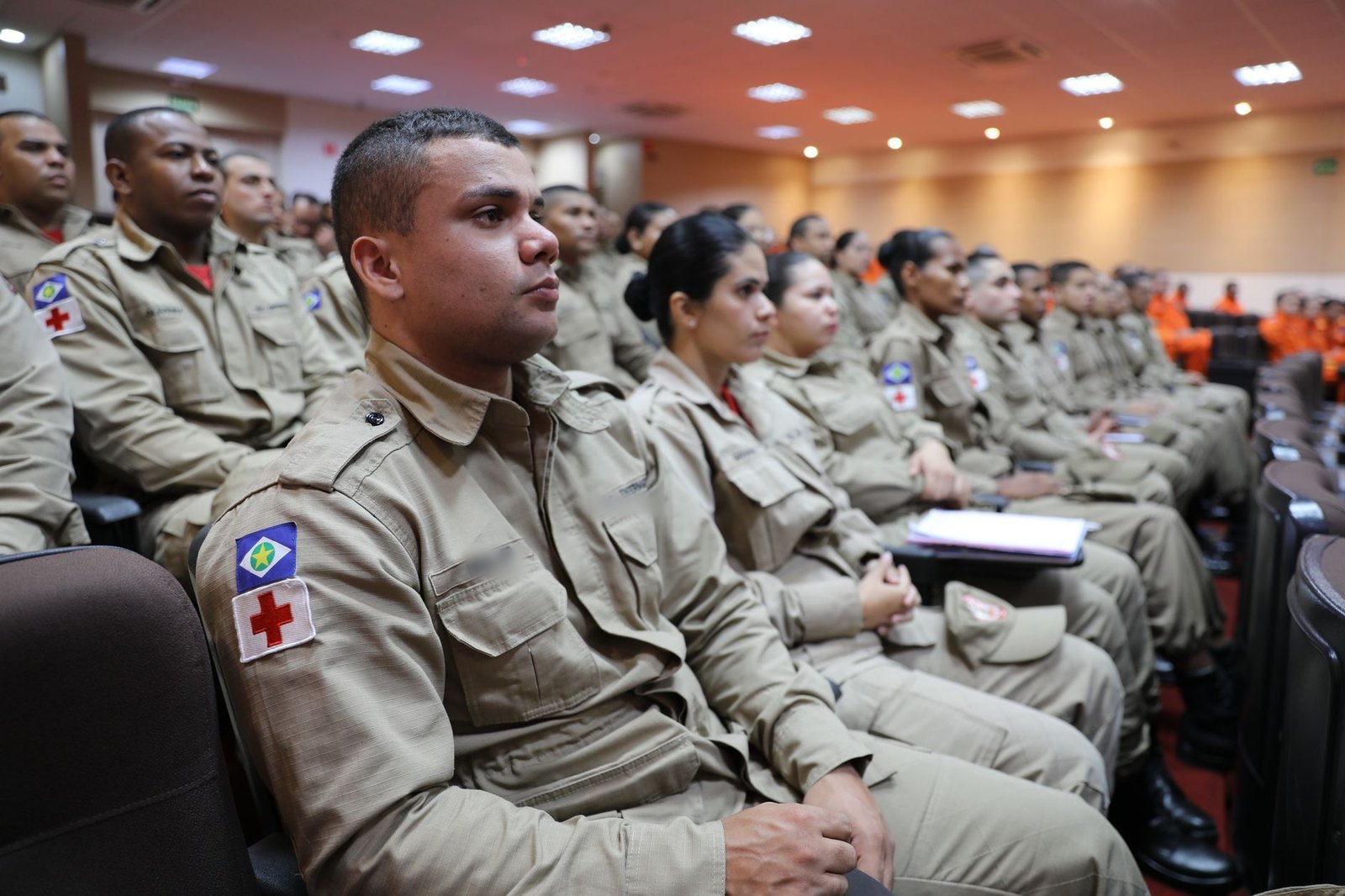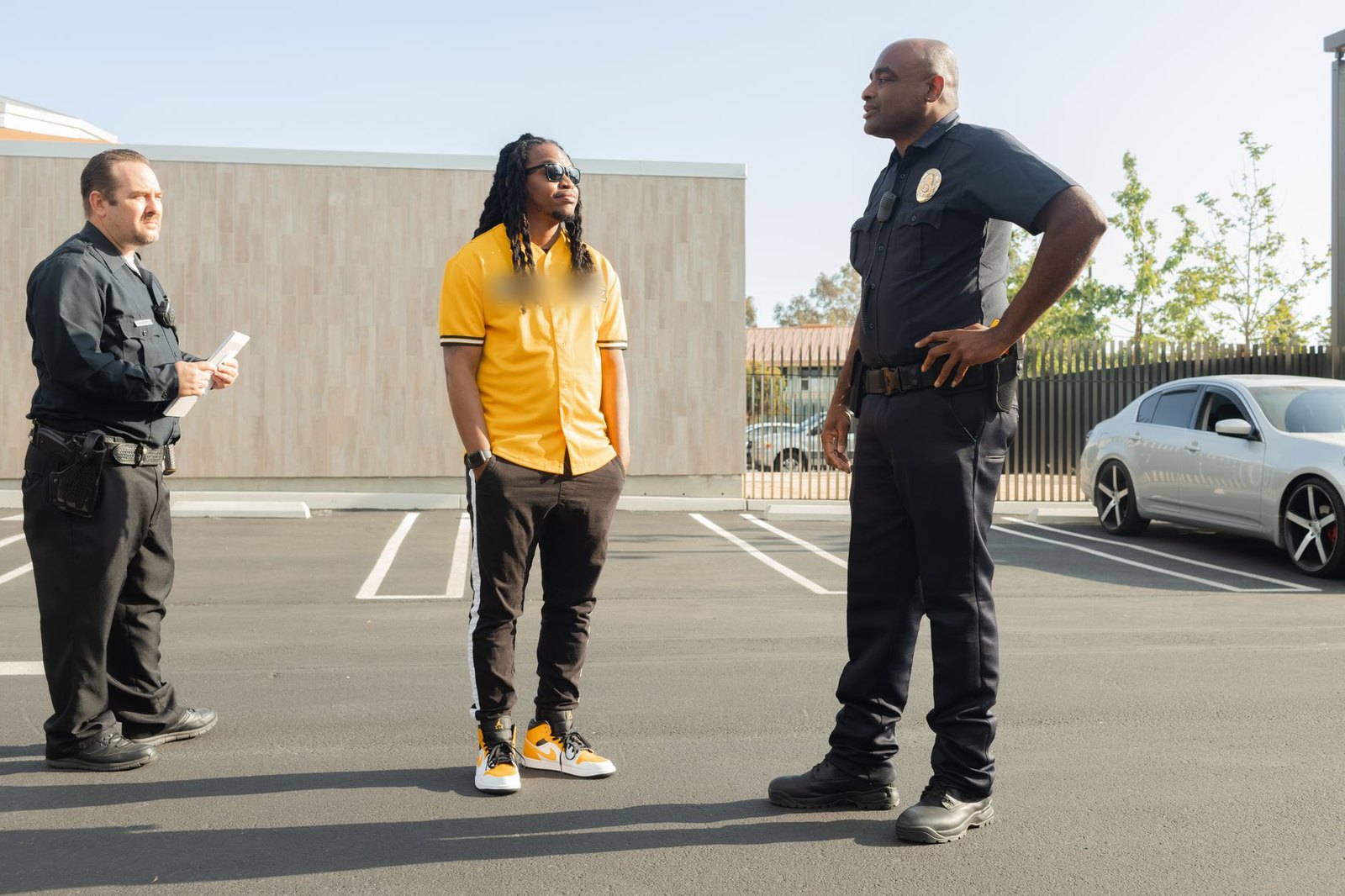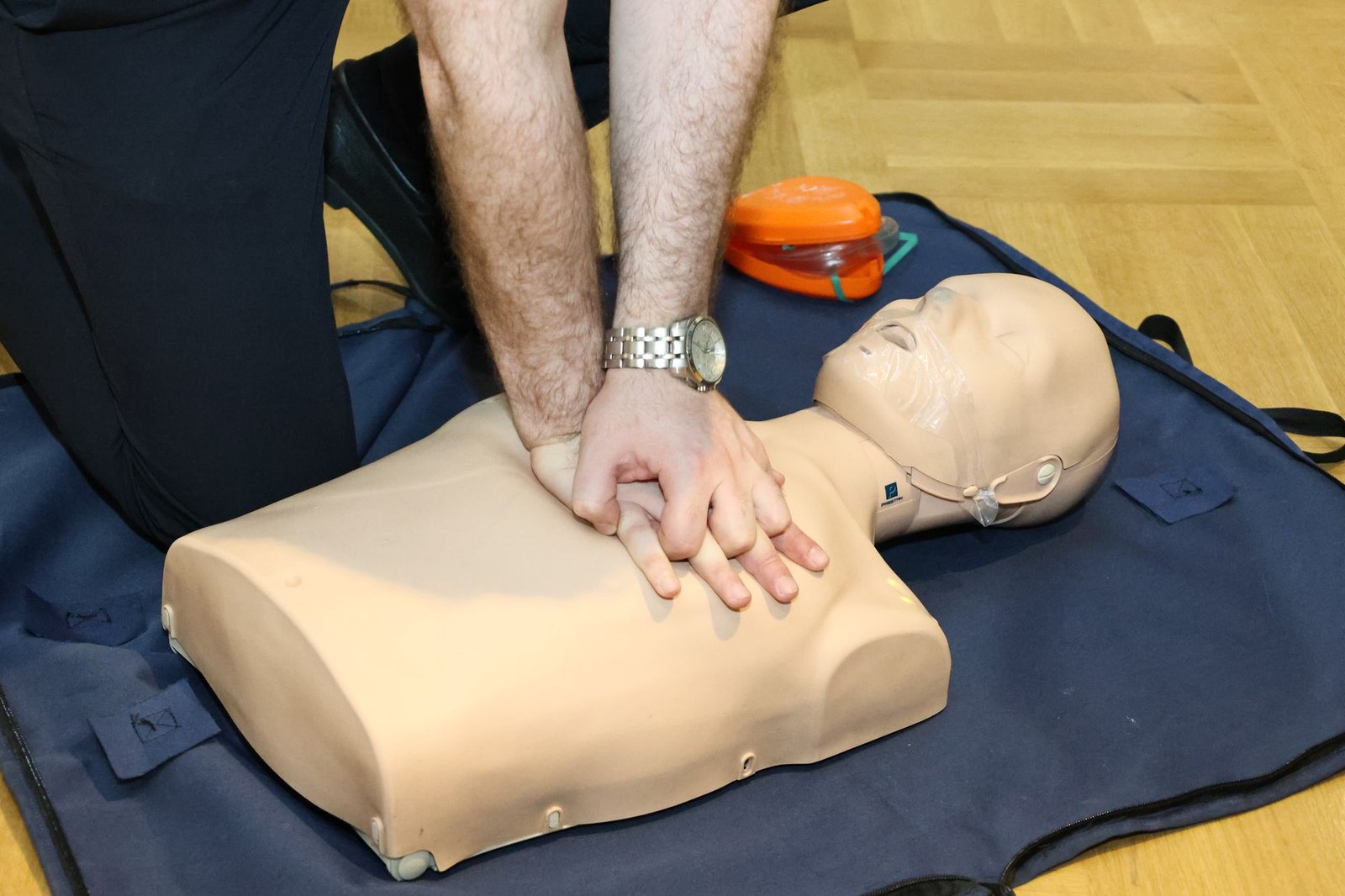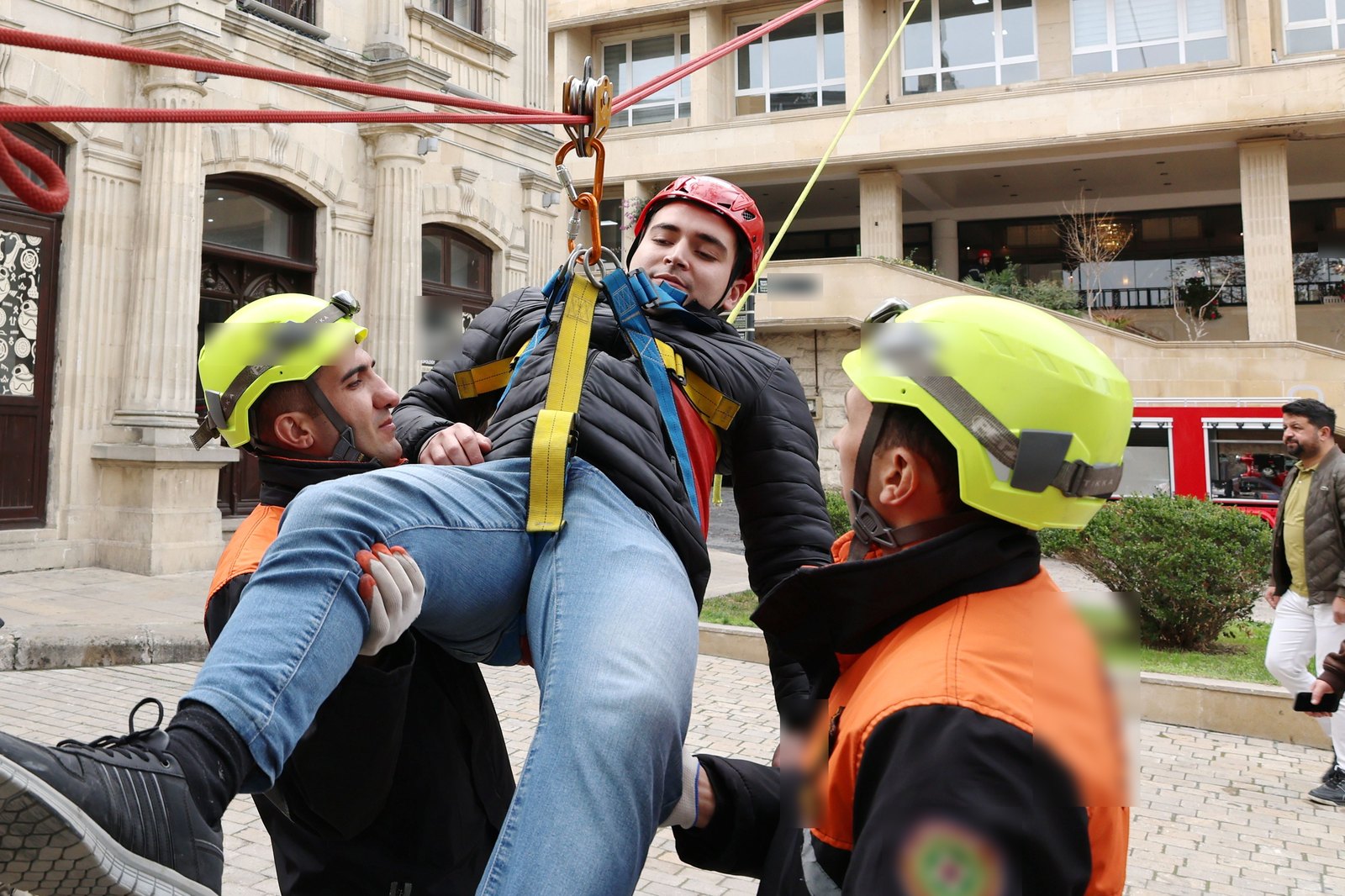
A new officer leaves the academy with the vehicle code, arrest procedures and agency policy fresh in mind. Weeks later she is riding with a field training officer, and every call tests whether that knowledge is still there.
A field training officer program is where that test happens. This article covers how programs are structured, how the two main models compare, and how to keep academy knowledge ready during field training and after sign-off.
Table of Contents
- What a police field training officer program is for
- How a field training officer program is structured
- FTO and PTO models compared
- Keeping academy knowledge ready before and after sign-off
- Where Blank Slate fits
- Where to start
- Frequently Asked Questions
What a Police Field Training Officer Program Is For
There is no single national standard for police field training; states and agencies set the rules. This article uses California's Commission on Peace Officer Standards and Training (POST) as its main example.
POST's Field Training Program Guide says field training is intended "to facilitate a peace officer's transition from the academic setting" to the general law enforcement uniformed patrol duties of the employing department. POST's procedures describe the basic training requirement for California peace officers as successful completion of the Regular Basic Course and a POST-approved Field Training Program. Under Commission Regulation 1004, as the guide puts it, trainees should be under the direct and immediate supervision (physical presence) of a qualified FTO throughout the program.
POST's field training FAQ says "There is no regulation requirement for lateral officers to complete any Field Training," though it highly recommends a documented process to confirm laterals are competent and have been trained and oriented to their new agency. An agency may also apply for an exemption, on an application signed by the department head with written documentation. It qualifies if it does not provide general law enforcement uniformed patrol services, or if it hires only lateral officers who hold a POST Basic certificate and have either completed a POST-approved Field Training Program or have one year of general uniformed patrol experience.
How a Field Training Officer Program Is Structured
Length and phases
In California, a POST-approved Field Training Program "must be at least 10 weeks long (400 hours)," and the guide notes that, according to a 2023 survey, "most California FTPs are 16 to 20 weeks long." The program begins with an orientation period of at least one week, which is not evaluated.
POST recommends at least four phases. Its FAQ adds that an agency "does not need to have four training phases; however, this reflects best practices," as long as the program still meets the minimum length. In the guide's model, phases one to three train at rising complexity, and phase four is "the test phase," predominantly evaluation only, with the trainee expected to act as the lead officer.
Daily observation reports
The daily observation report (DOR) is the core record, completed by the FTO for every shift the trainee works, covering the trainee's performance, the training given and anything else of importance. The guide says "The form shall be completed at or near the end of each shift and reviewed, with the trainee," unless unusual circumstances prevent it.
Ratings follow POST's Standardized Evaluation Guidelines, with the competent solo patrol officer as the benchmark for "acceptable." Every category on the DOR gets a rating or is marked "Not Observed." Weekly progress reports (where used) and end-of-phase reports build on the daily record.
How FTOs are selected and qualified
POST's FAQ lists minimum qualifications for FTOs: passing an internal oral interview, at least one year of general uniformed patrol experience, a POST Basic certificate, and being off probation at the time of application. An officer selected as an FTO must complete a POST 40-hour Field Training Officer Course before being assigned as an FTO. FTOs must complete a 24-hour update course every three years while assigned, and the program's supervisor, administrator or coordinator (SAC) evaluates each FTO annually.
Remediation and extension
When a trainee's performance is rated less than acceptable, the guide calls for remedial training: "A period of time in which the trainer provides specific instruction to reinforce the required concept, skill, or competency." If "reasonable remedial efforts have failed to result in improvement," the FTO can mark the category NRT, "Not Responding to Training."
Extensions are possible but, in the guide's words, "This is not a guarantee that every trainee has the right to an extension." The SAC decides. A separation recommendation should come only after the FTOs involved, the SAC and the training and patrol command staff have reviewed all submitted reports.
Sign-off
At the end of the program, the final phase FTO attests to the trainee's competence and successful completion. The Completion Record/Competency Attestation should be signed by the trainee, the final phase FTO, the SAC and the department head or designee, and should become a permanent part of the training record. A release statement with the department head's signed concurrence goes in department records.
FTO and PTO Models Compared
A COPS Office-funded program manual, developed by the Reno, Nevada, Police Department in partnership with the Police Executive Research Forum, contrasts two models. It notes that "The first FTO program was developed in San Jose, California," and that in the San Jose model "Trainees were evaluated every day in 29 categories; the evaluators used checklists and Likert numerical scales."
The manual's Police Training Officer (PTO) program "relies on adult learning strategies, in particular the problem-based learning (PBL) method," and the manual argues that under numeric daily scoring, trainees "become intimidated at the prospect of a failing score and are reluctant to extend themselves during training." That is the manual's view, not a tested finding. California POST sets minimums for both: a Field Training Program and a Police Training Program.
| Feature | FTO model (California POST Field Training Program) | PTO model (COPS Office-funded manual) |
|---|---|---|
| Minimum length | 10 weeks (400 hours) in California, beginning with at least one week of orientation | 15 weeks in California; the manual's phases total 15 weeks, plus an agency-set orientation |
| Structure | At least four phases recommended; phase four is the test phase | Integration (1 week), Phases A and B (3 weeks each), mid-term evaluation (1 week), Phases C and D (3 weeks each), final evaluation (1 week) |
| What is trained | Agency phases and the competency sign-offs in POST's program model | Four substantive topics (such as patrol activities and criminal investigation) and 15 core competencies |
| Routine documentation | DOR every shift, rated against the Standardized Evaluation Guidelines; weekly progress reports (if used) and end-of-phase reports | Coaching and Training Reports at the end of each week; problem-based learning exercises; a neighborhood portfolio exercise |
| Evaluation | Ongoing daily ratings; phase four evaluation | Mid-term and final evaluations by a Police Training Evaluator; optional Board of Evaluators |
| If a trainee falls short | Remedial training plan, NRT marking, possible extension at the SAC's decision | After an unsuccessful mid-term evaluation, may return to a prior phase or receive other remedial training |
Either model ends with a final judgment that the trainee can work alone. Neither is built to show what that officer will still recall six months later.
Keeping Academy Knowledge Ready Before and After Sign-Off
A DOR category that does not come up on a shift is marked "Not Observed," and important academy material (rare call types, legal elements, high-risk policy steps) may not come up for weeks. Knowledge that is not used fades: the forgetting curve Hermann Ebbinghaus charted, replicated in PLOS ONE (Murre & Dros, 2015), shows forgetting that slows over time. We cover how this plays out for one critical skill in de-escalation training for law enforcement.
The steps below are this article's suggestions, not requirements from POST or the COPS manual.
1. Take a baseline during orientation
Orientation is not evaluated, so it is a good week to check what each recruit recalls from the academy and tell the first FTO where to begin.
2. Write checks from your checklist
Draw short questions from your competency checklist, policy manual and academy topics, with extra weight on those often marked "Not Observed."
3. Share results with FTOs and the SAC
An FTO who knows a trainee is weak on search and seizure law can steer training toward it; patterns across trainees show the SAC which topics need more time.
4. Keep going after sign-off
The attestation is a point in time. Probation and solo patrol are where unpracticed knowledge fades, so the short checks can continue. Civilian employers face a similar drop-off with new employee compliance training.
Where Blank Slate Fits
Blank Slate is a cognitive-readiness platform built on spaced retrieval: the combination of spaced repetition (reviewing material over time) and retrieval practice (answering from memory instead of rereading). Its AI schedules each question for the moment a person is about to forget it, in short (about 60-second) sessions three or four times a week, adding up to a few minutes a week. It works on top of the training content an agency already has, and its True Knowledge Level™ shows what a person or team knows right now.
Two Blank Slate studies with people still in training show what that reinforcement can do. In a pilot with US Air Force pararescue trainees, presented at I/ITSEC 2023, knowledge accuracy rose from 67% to 81% over 16 weeks on about 100 seconds of app use a week. App users had an 84% first-time pass rate on an applied knowledge test, versus 46% for non-users (I/ITSEC 2023), an association rather than proof of cause. In a randomized controlled trial with university students, Blank Slate's spaced retrieval matched daily review's retention in about one-third of the study time (McHugh et al., 2021).
Neither study involved police officers. Blank Slate does not replace field training, the FTO's judgment, daily observation reports or POST requirements. It reinforces and measures what trainees and new officers retain, alongside the records system that tracks completion (see how it differs from an LMS). Blank Slate also works with first responders.
Where to Start
Start with the academy knowledge that costs most to forget, such as the legal standards behind stops, searches and arrests. A Knowledge Gap Audit is a free way to see what current trainees and recent graduates recall today.
Frequently Asked Questions
How long is a field training officer program?
It depends on the state and agency. In California, a POST Field Training Program must be at least 10 weeks (400 hours) and a Police Training Program at least 15 weeks, and POST's guide notes that, according to a 2023 survey, most California field training programs run 16 to 20 weeks. Other states set their own rules.
What is the difference between an FTO program and a PTO program?
The FTO model, which began in San Jose, California, rates trainees daily on standardized categories. The PTO model, developed in Reno, Nevada, under a COPS Office grant, uses problem-based learning, weekly Coaching and Training Reports, and mid-term and final evaluations.
Does Blank Slate replace an FTO or count toward POST hours?
No. Blank Slate does not deliver field training, POST credit or hands-on practice, or replace your training records. It reinforces and measures what trainees and new officers retain during field training and after sign-off.
Your trainees will be signed off as ready to work alone. What will they recall on the calls field training never showed them? A Knowledge Gap Audit is free: officers answer a short assessment in the browser, and you get a one-page readiness snapshot of what is retained, what is slipping, and where to reinforce first.