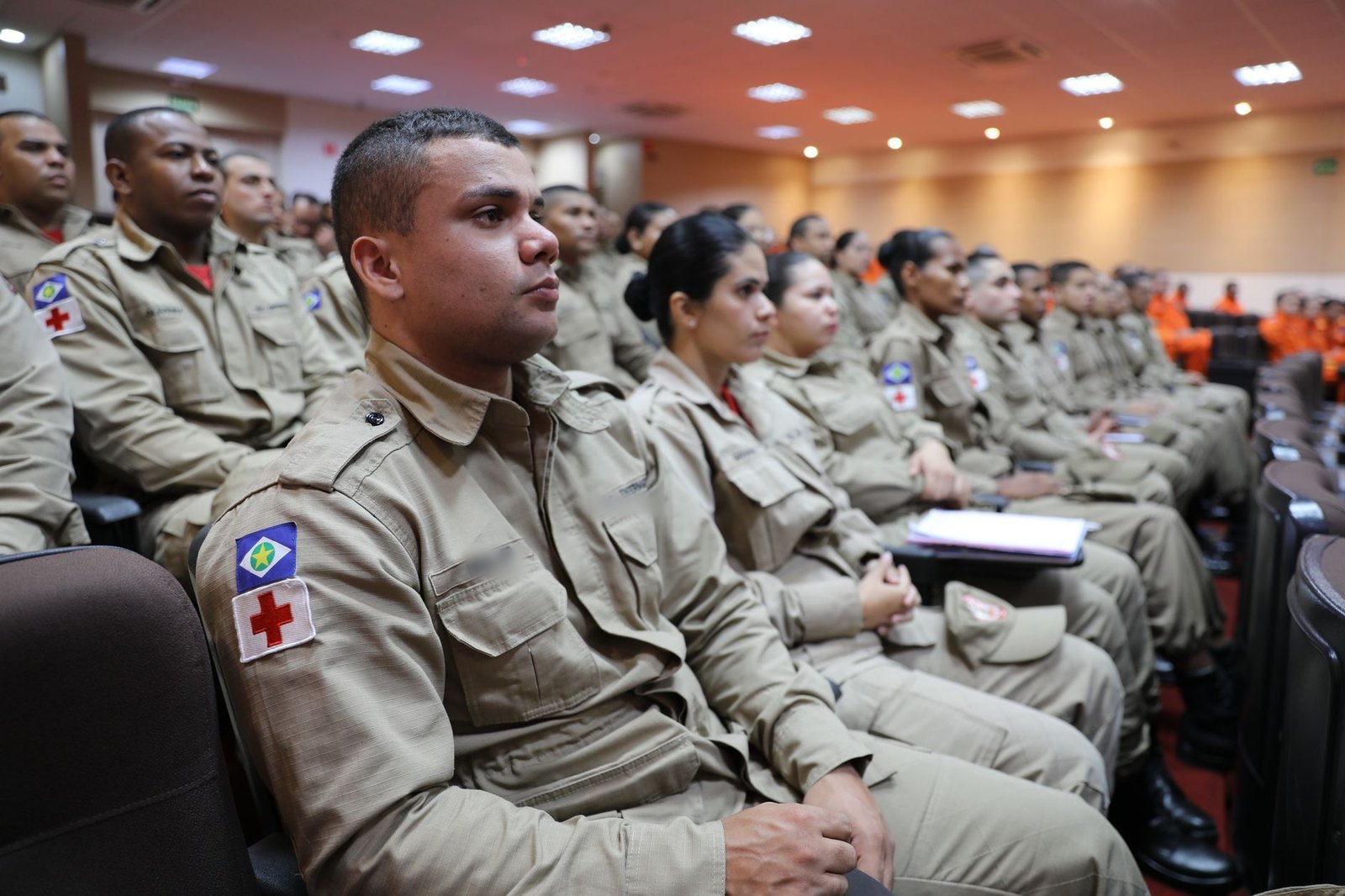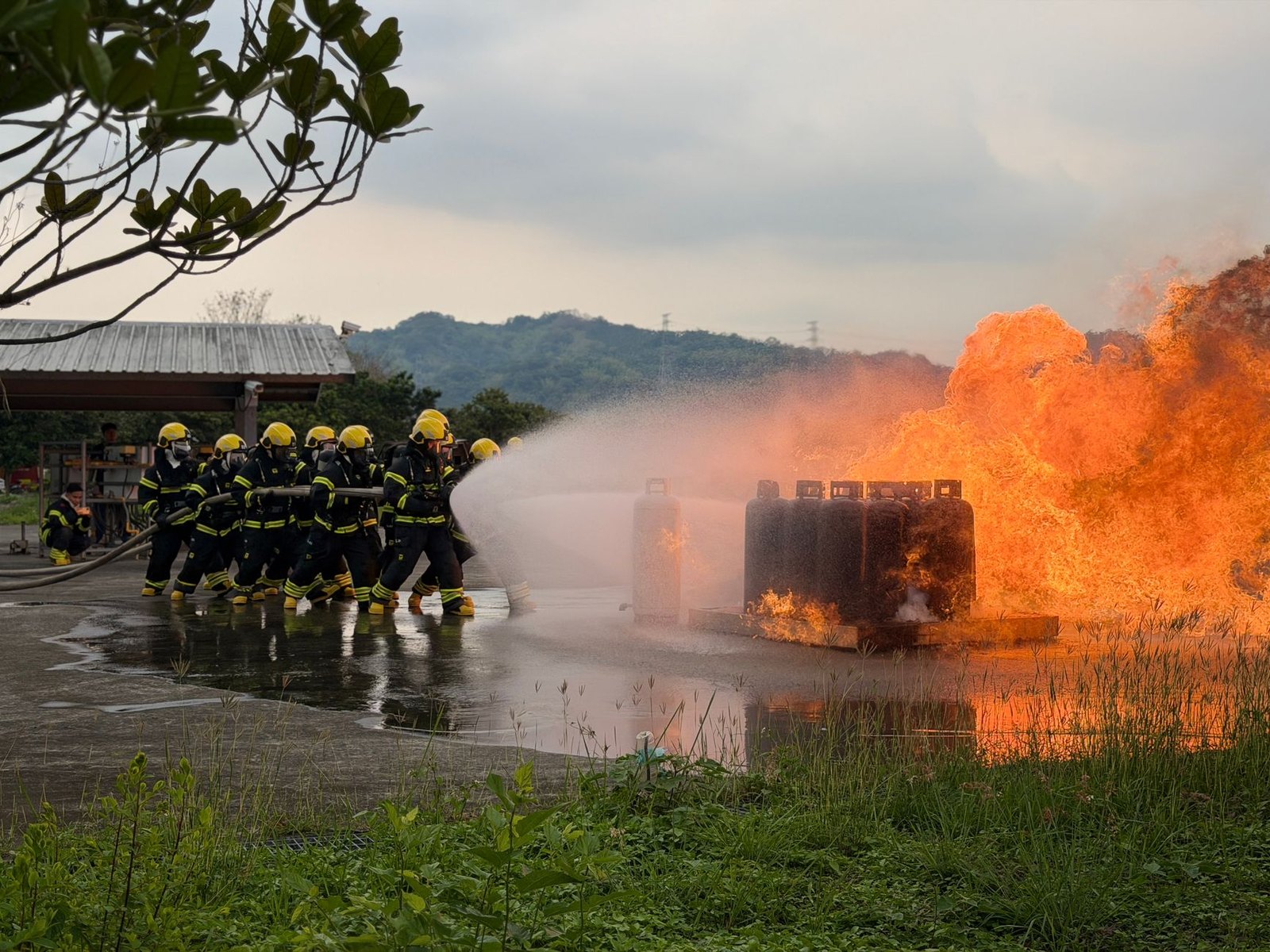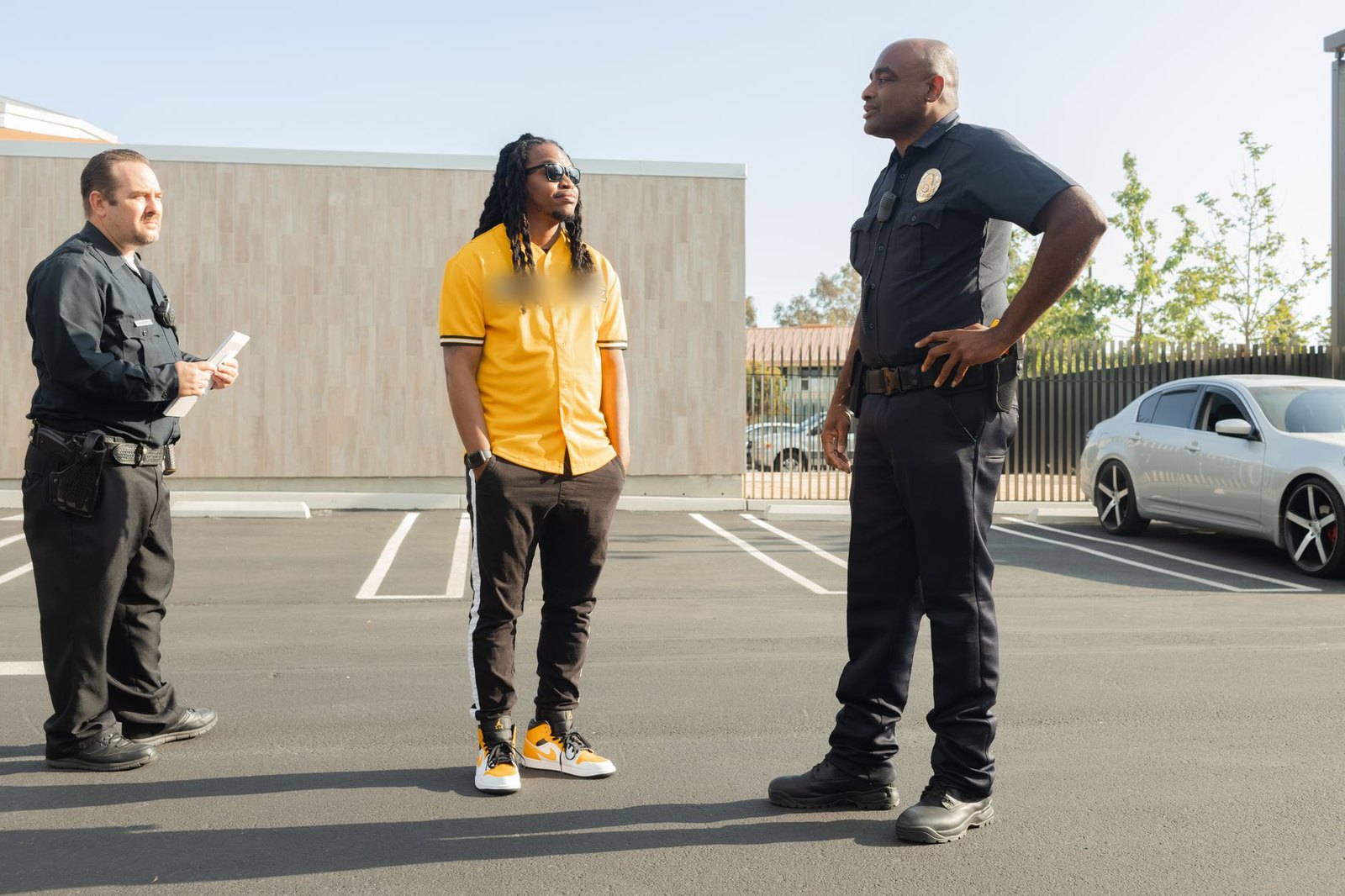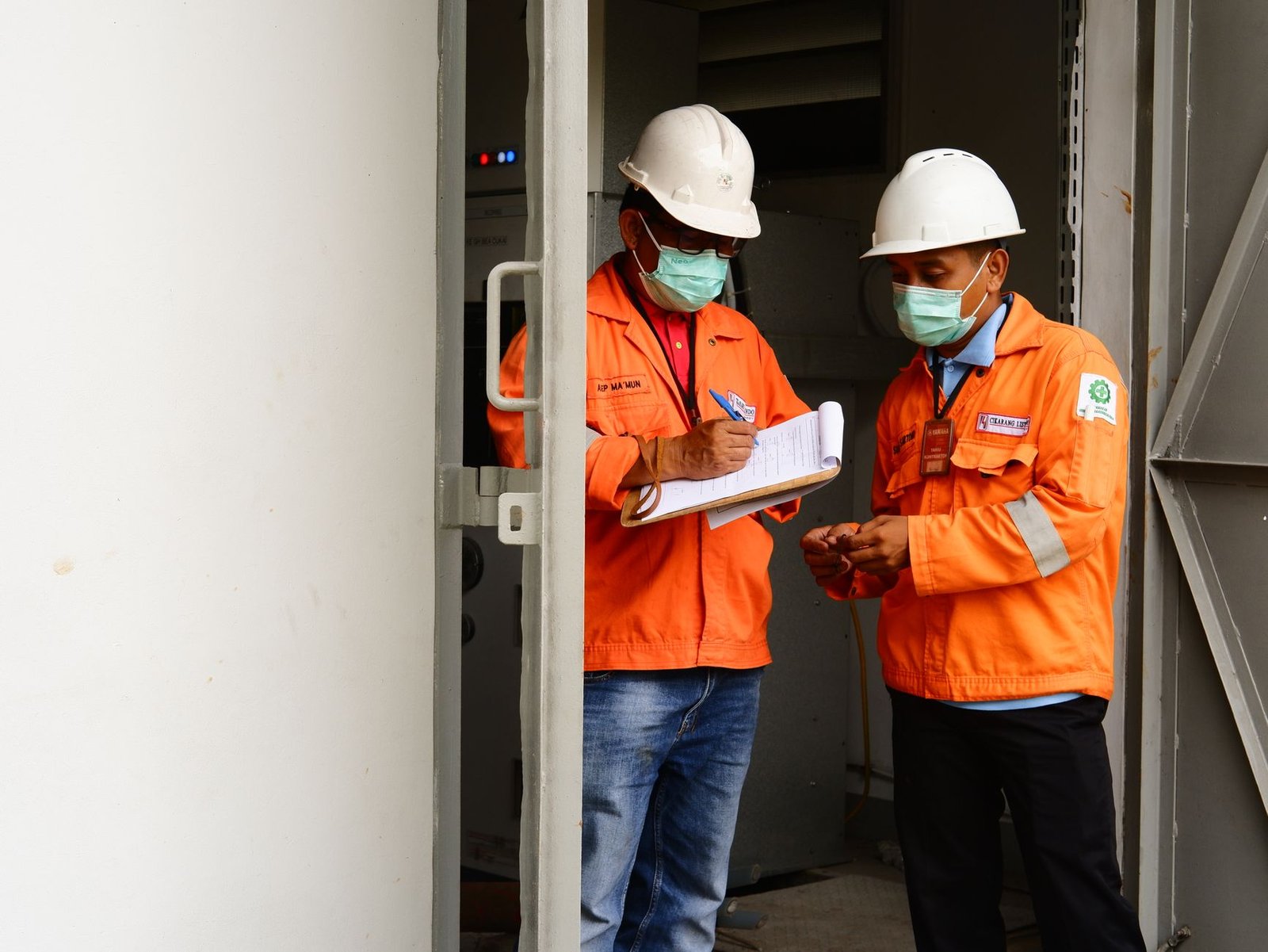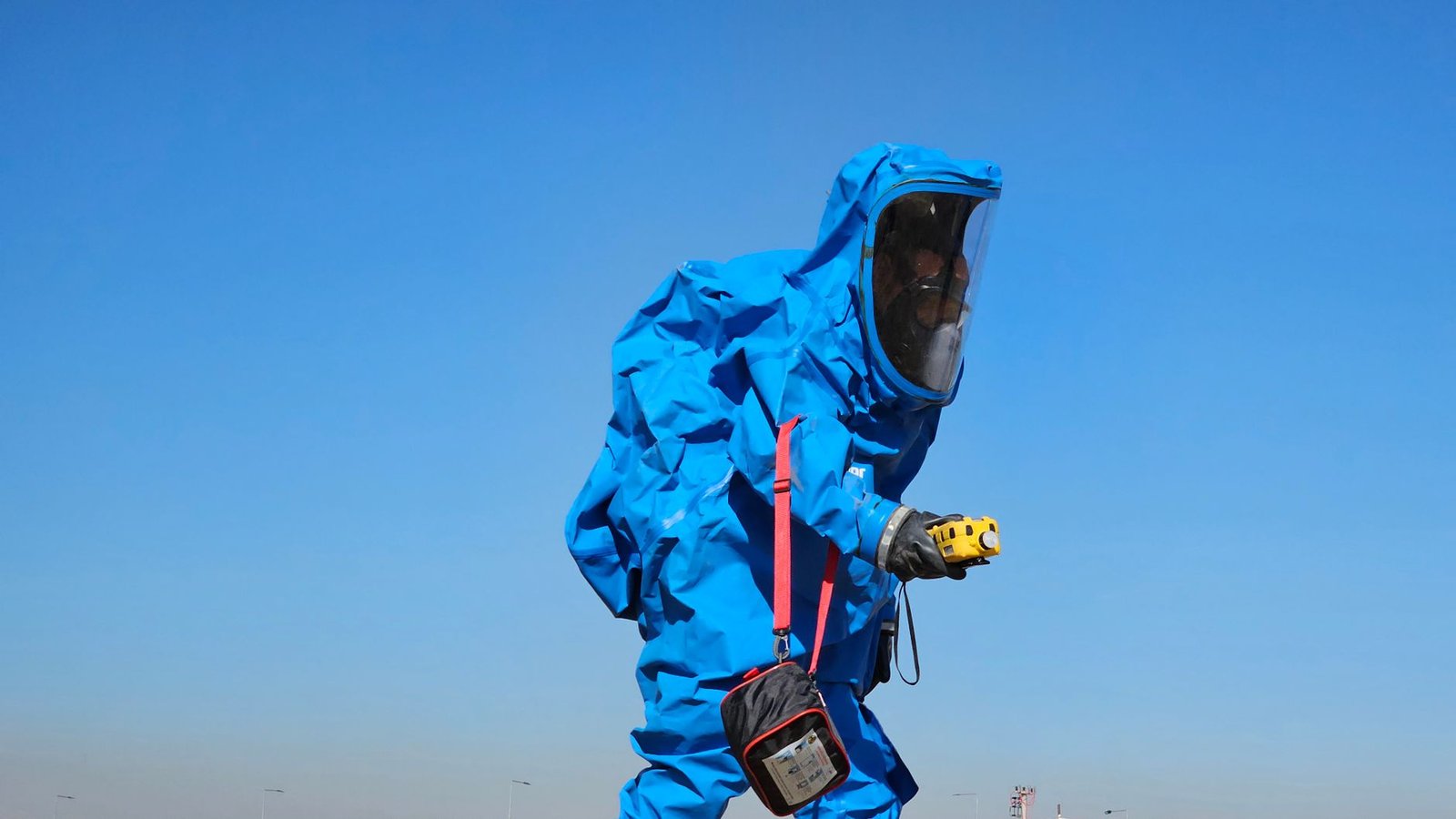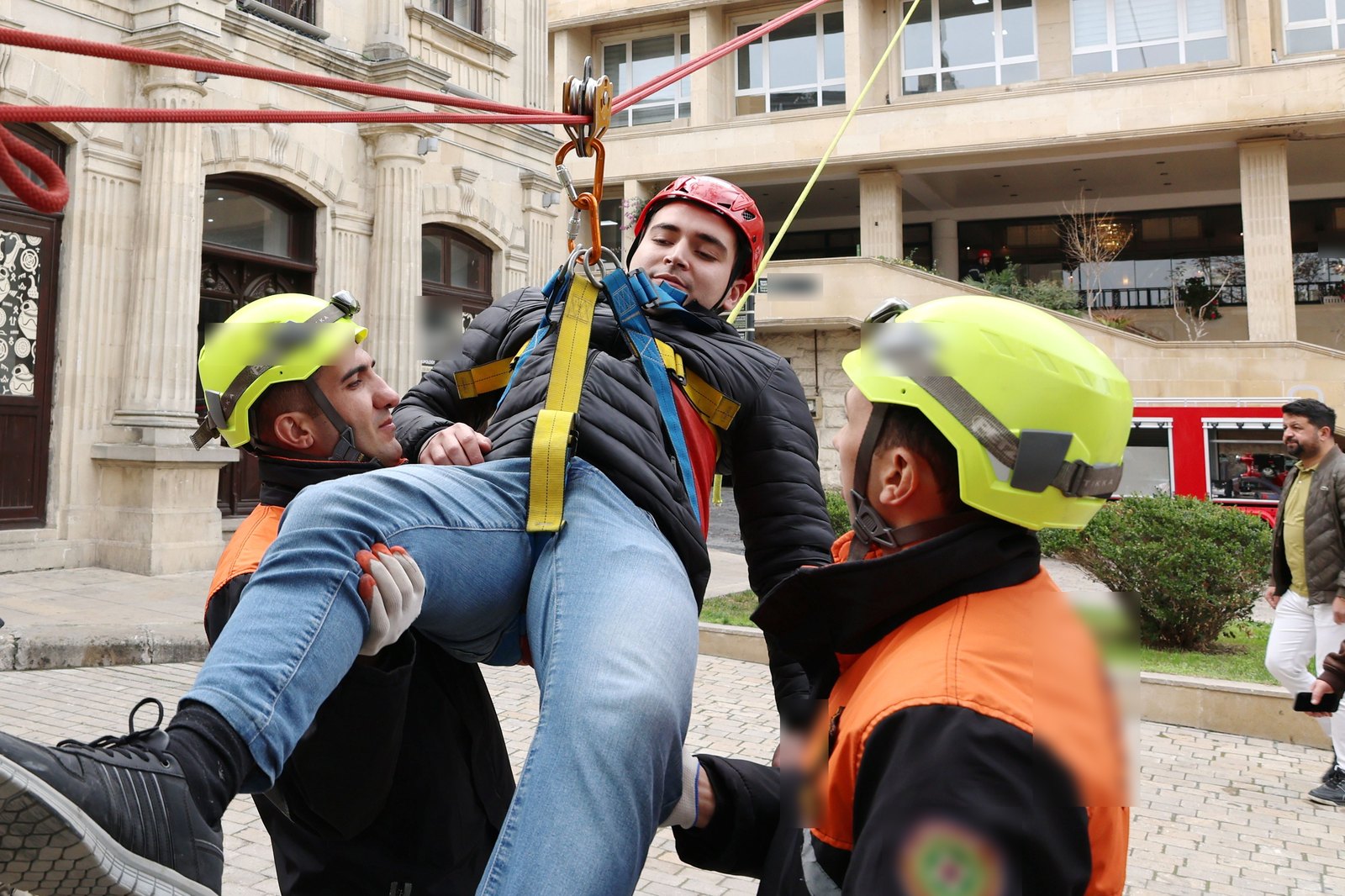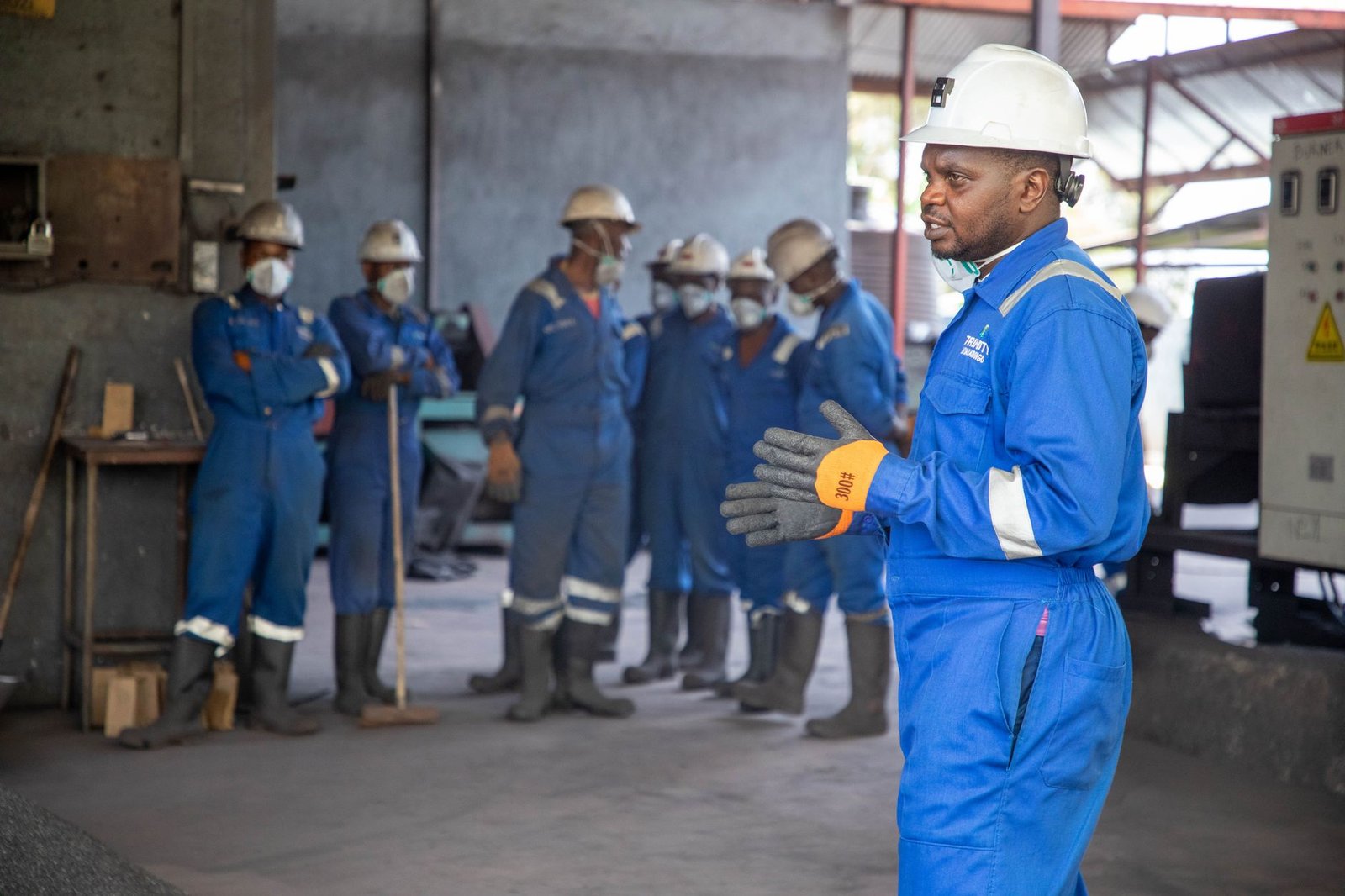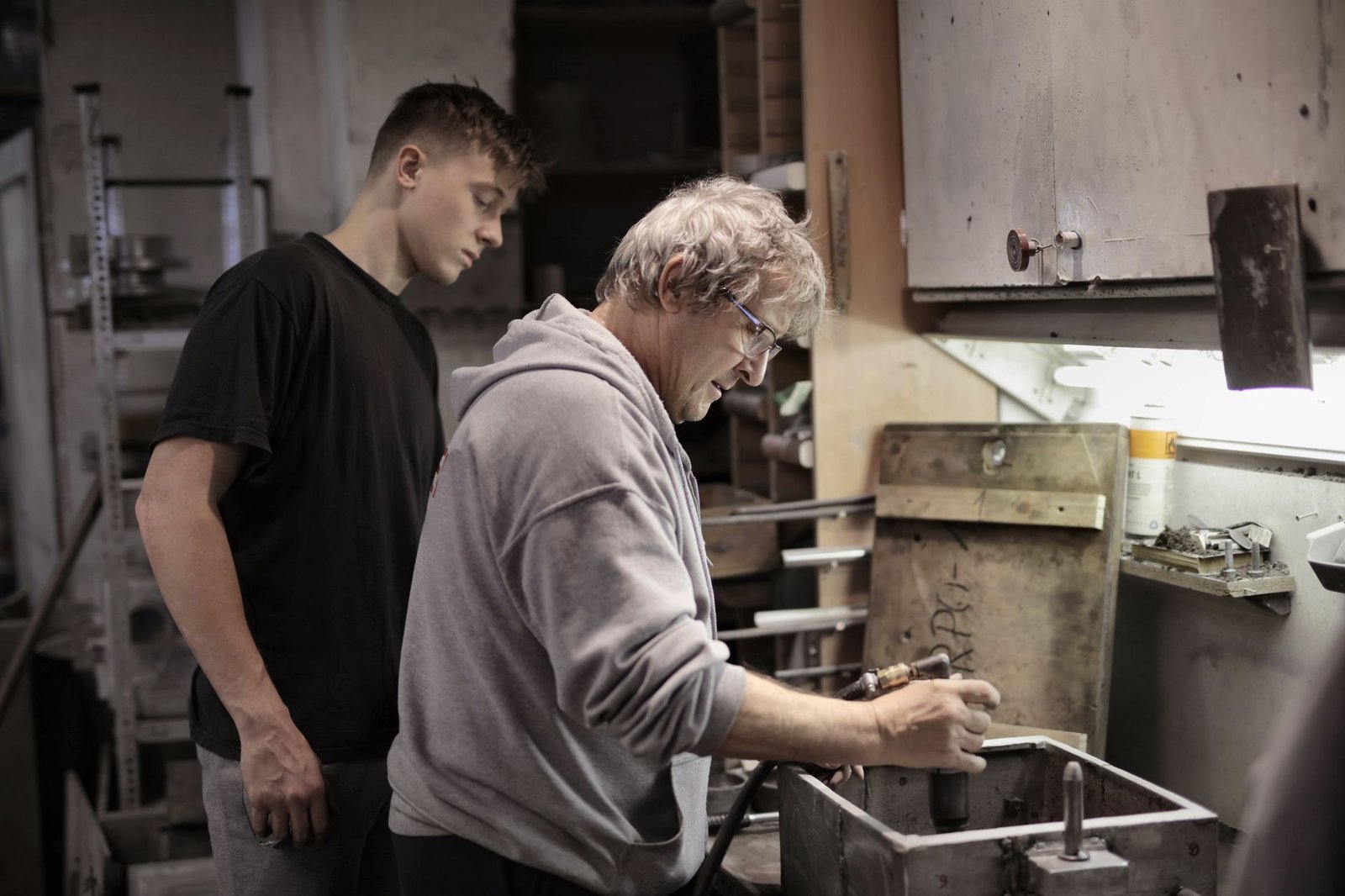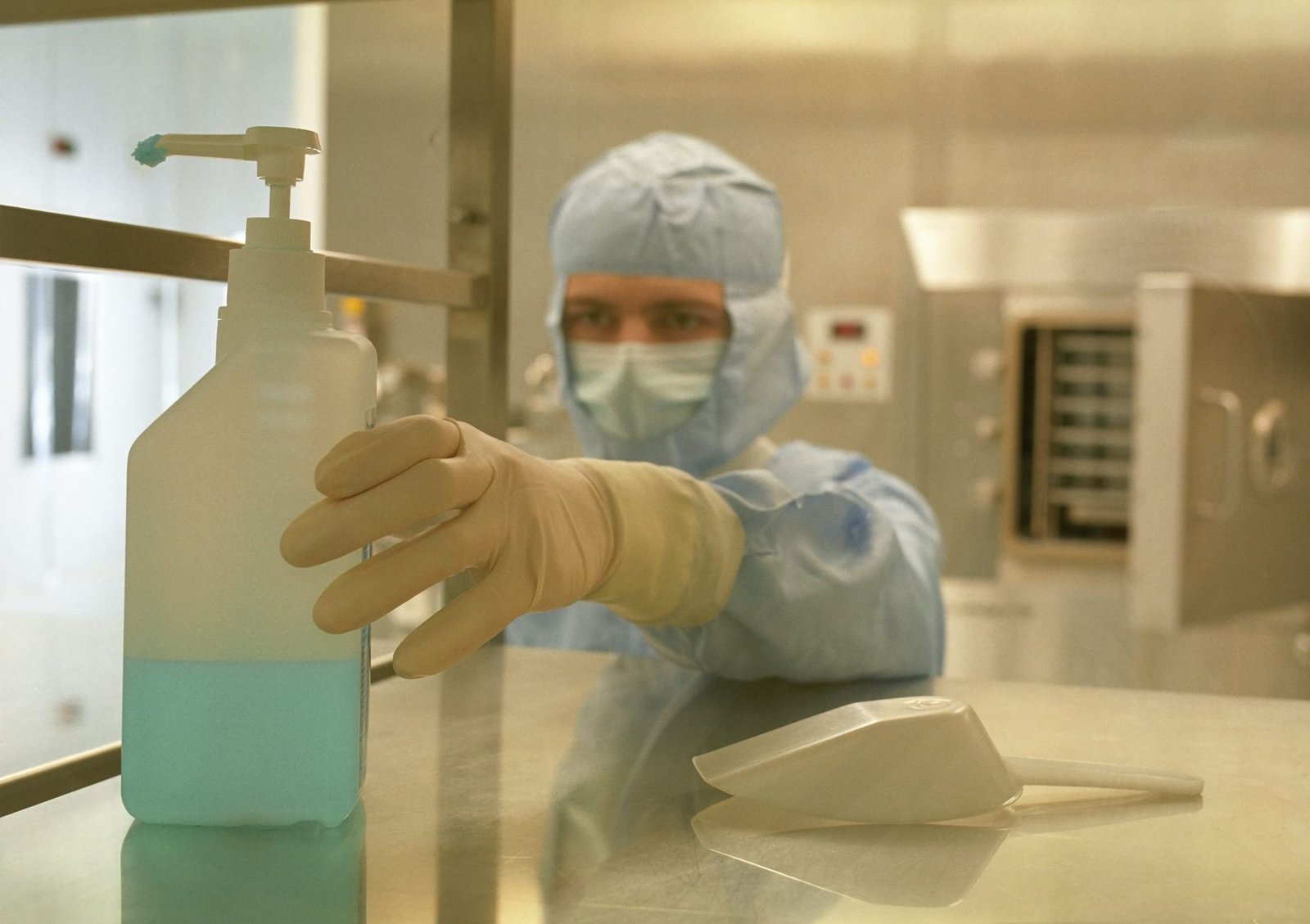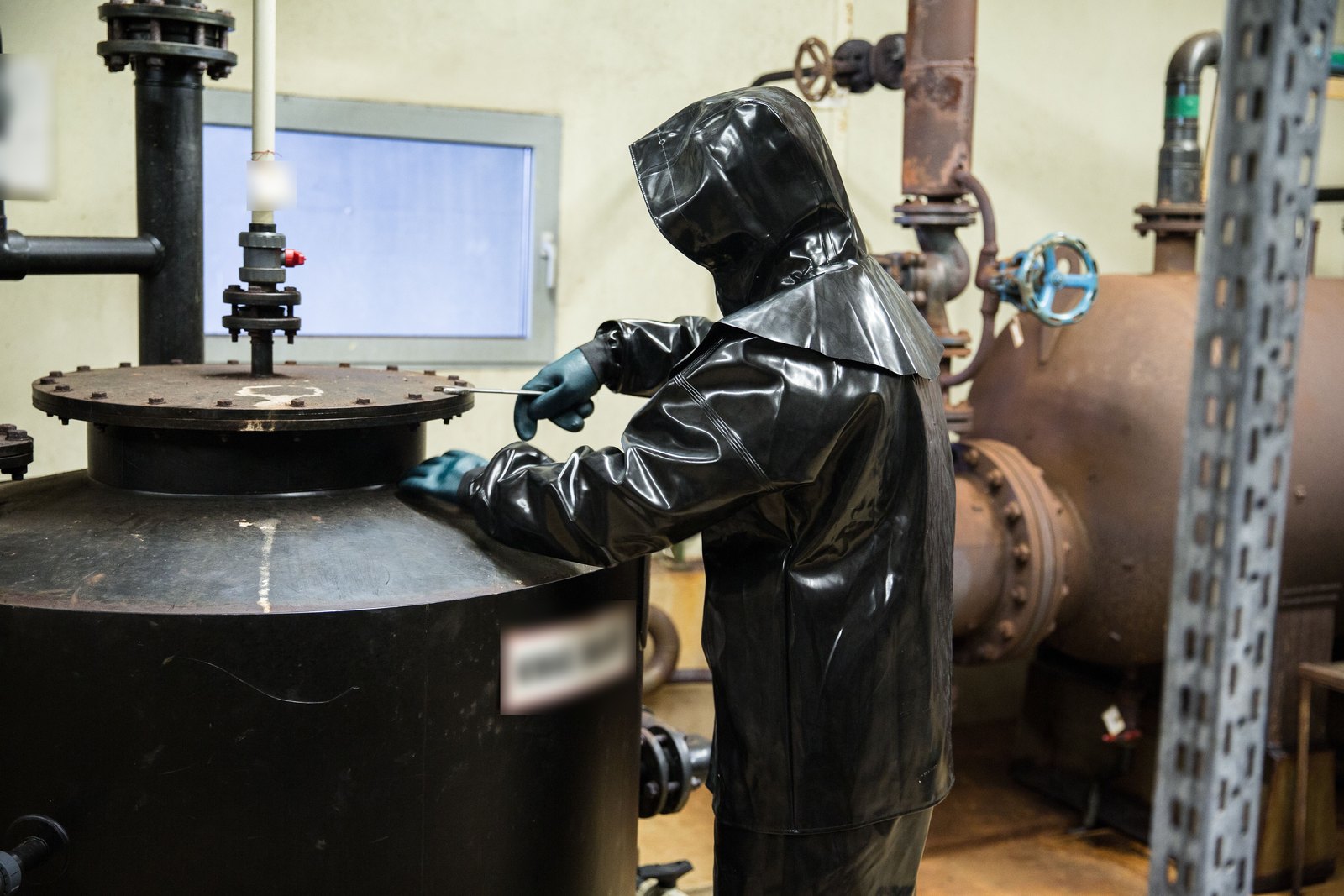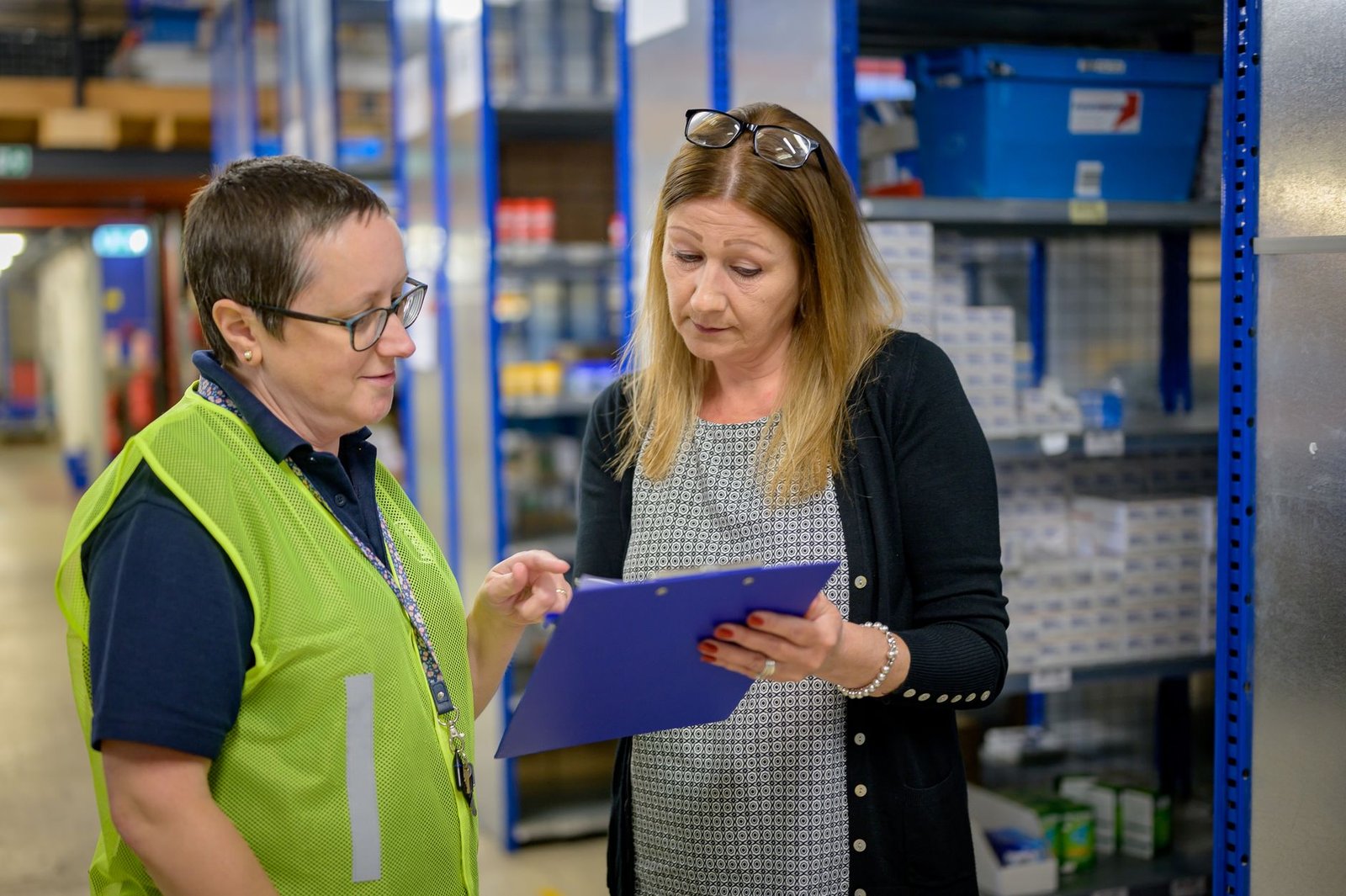
Interactive training earns its reputation. A crew that works through a scenario, answers out loud and practices the steps tends to learn more than a crew that sits through slides, and the research on worker safety training supports that. The weak point comes after the session. Whatever people learned has to last until the next refresher, and nothing in the session itself keeps it in use.
This matters most for employers whose frontline teams work under regulation: plant crews, nurses, security officers, ground staff. Their training is usually built well. The gap is the months in between.
Table of Contents
- What interactive training gets right
- Why interactive training fades after the session
- How to make virtual training interactive
- How to make online training interactive
- Reinforcement: what happens between sessions
- What this means for safety and operations leaders
- Frequently Asked Questions
What Interactive Training Gets Right
The strongest evidence comes from safety and health training itself. A meta-analysis of 95 studies with 20,991 participants, published in the American Journal of Public Health (Burke et al., 2006), sorted training methods by how much they asked of the trainee:
- Least engaging: lectures, pamphlets and videos
- Moderately engaging: programmed instruction, including computer-based instruction, and feedback techniques
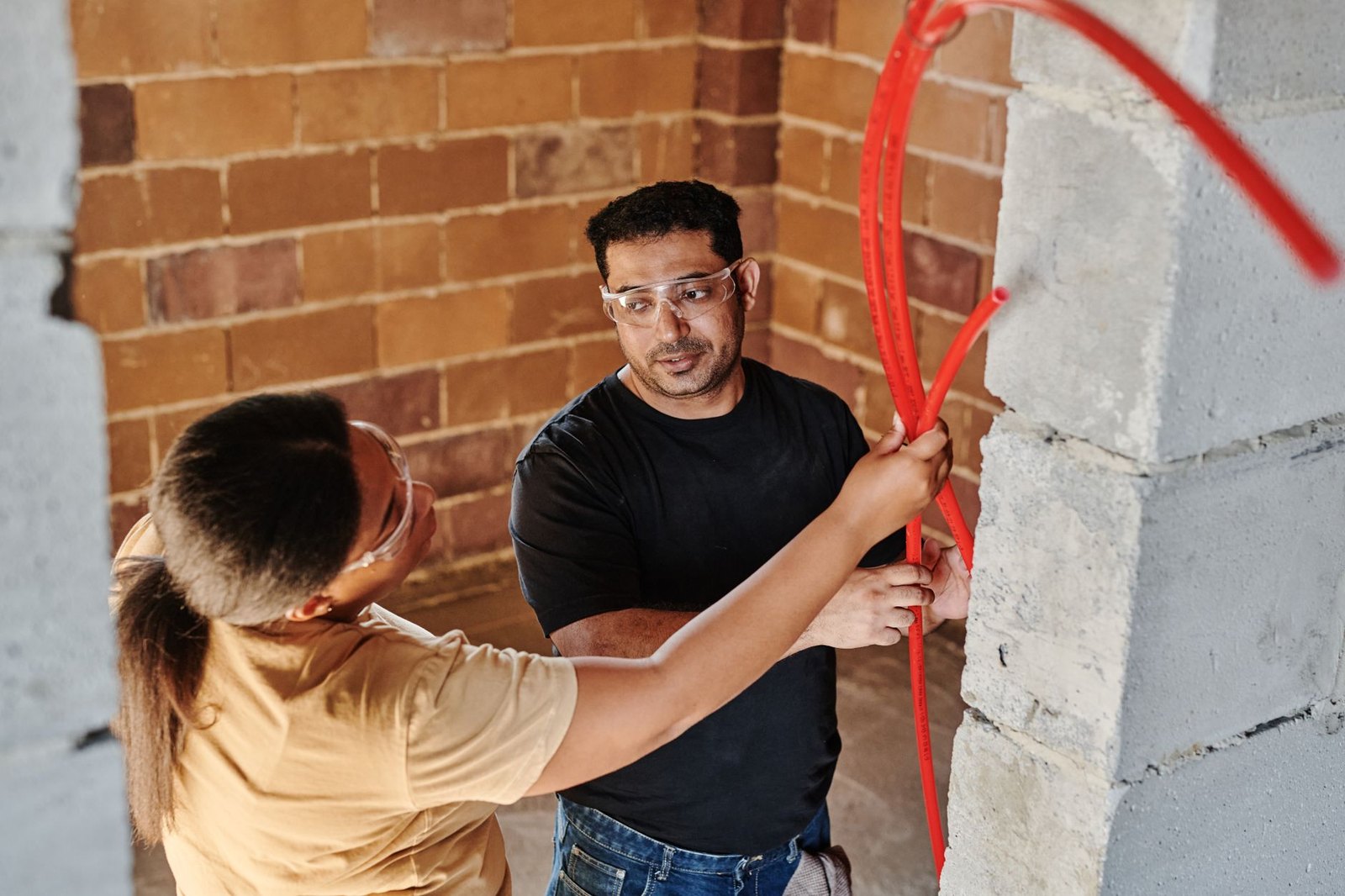
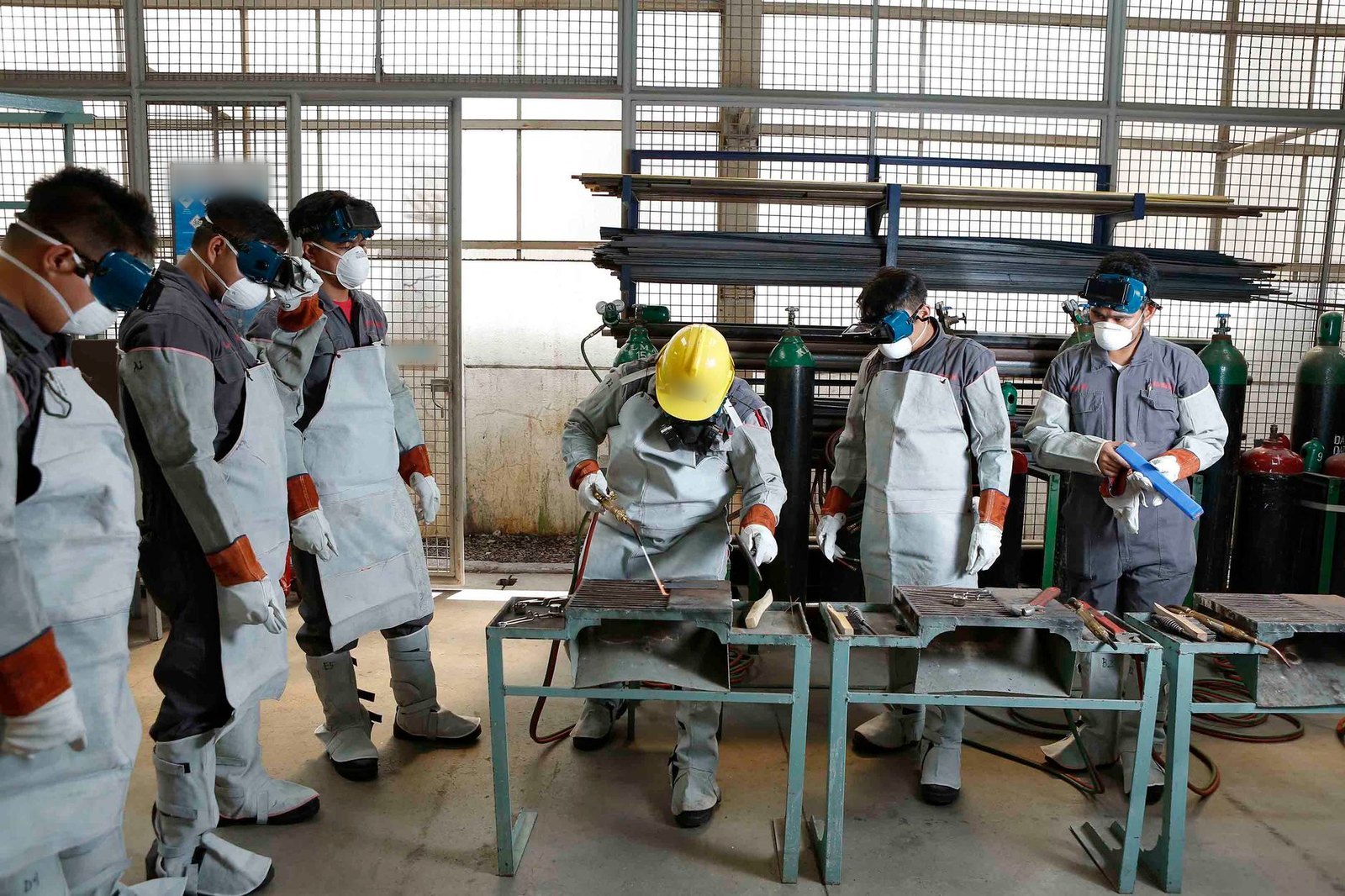
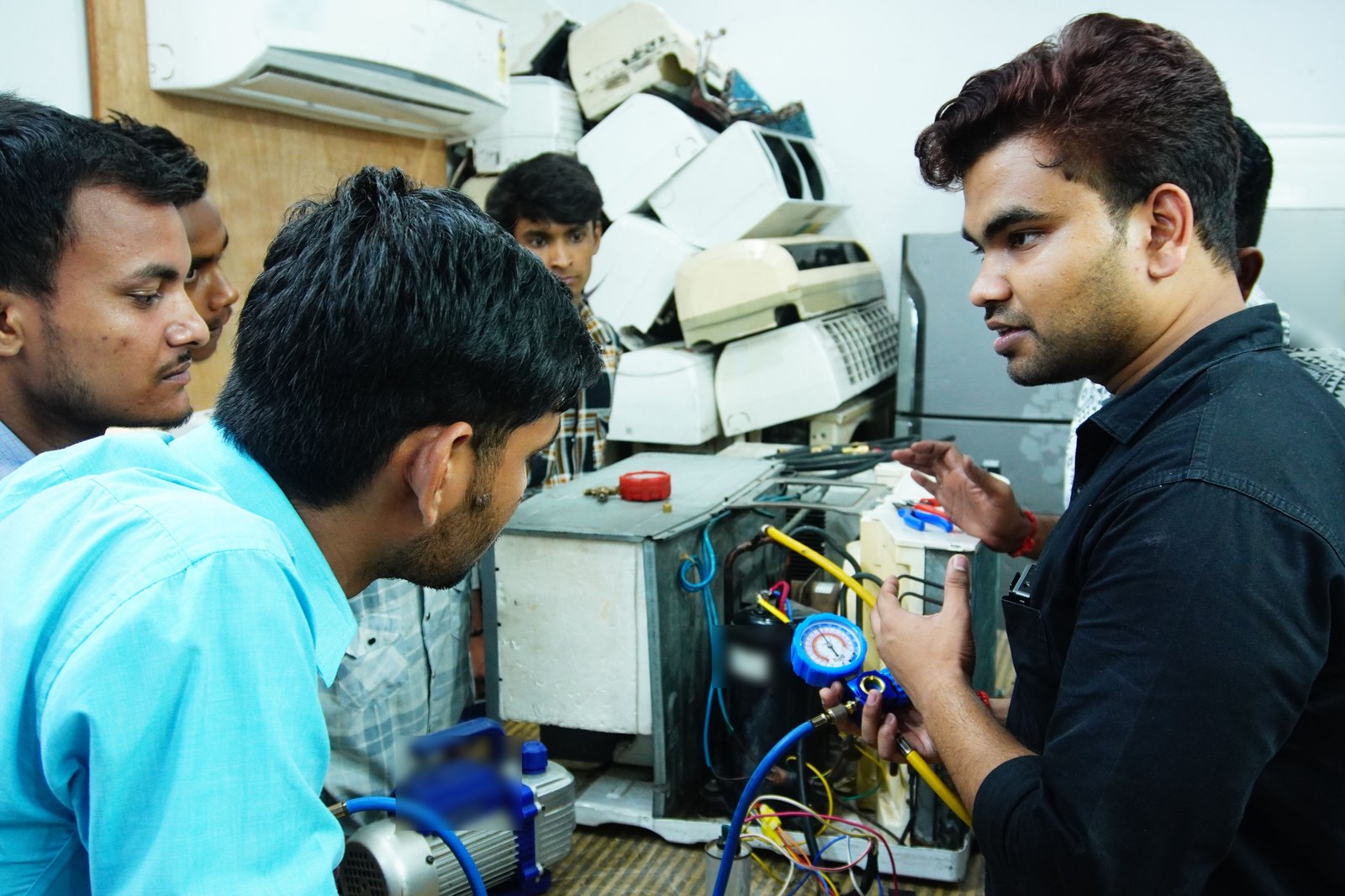
- Most engaging: behavioral modeling, simulation and hands-on training
As methods became more engaging, "workers demonstrated greater knowledge acquisition." The authors concluded that training with behavioral modeling, a substantial amount of practice and dialogue is generally more effective. They also wrote that their findings "challenge the current emphasis on more passive computer-based and distance training methods."
The authors were careful about the limits. They described their results on behavioral performance as "more equivocal," and they called for more research and better reporting before drawing definitive conclusions.
So the safe reading is this: interactive methods help people learn more during training. That is a strong reason to build training this way. It is also a claim about learning: only 7 of the 95 studies checked whether knowledge held up afterward. Game elements are one more way to add interaction; the evidence on gamified microlearning shows small effects that depend on design.
Why Interactive Training Fades After the Session
Learning and keeping are two different problems. A well-run interactive class can leave every participant able to pass a test that afternoon. What that class cannot do is bring the material back in front of them in week six, when a procedure they rarely use is still supposed to be ready.
Without review, scores drop. Take a four-week randomized controlled trial with 93 university and college students (McHugh et al., 2021). The group that did no review between the pre-test and post-test scored lower at the end than at the start: 34 of 60 questions correct, down from 40. Those were students, not crews; still, knowledge that is never used again does not stay where the training left it.
Frontline work makes this harder. Many of the procedures that matter most are the ones people use least: an emergency shutdown, a rescue call, a rare medication protocol, a use-of-force decision. Interactive training gives those procedures a good start. Something else has to keep them current.
How to Make Virtual Training Interactive
Live virtual sessions are where interactivity is easiest to lose. Cameras go off, one person talks, and the session turns into a webinar. These practices keep people working:
- Open with a question, not a slide. Put a short scenario from your own site on screen and ask everyone to answer before you teach anything.
- Make everyone answer. Use polls or ask the whole group to type an answer in chat and post it at the same moment, so nobody copies the first reply.
- Use breakouts with a defined output. Give each small group a real near miss or case and ask for one decision and one reason, reported back in a minute.
- Ask for teach-back. Have a participant walk through a procedure step by step while others listen for gaps. The Burke et al. review did not test teach-back itself; this is our suggestion for building in the practice and dialogue the review found generally more effective.
- Keep instructor talk in short blocks. Return to a question every few minutes, so people stay in answer mode.
- End with recall instead of a recap. Close with a few questions answered without notes. It shows you, and the participants, what did not land.
None of this needs special equipment. It needs a facilitator who plans the questions before the slides. For skills that depend on judgment under pressure, the same approach shows up in de-escalation training, where practice and discussion carry most of the session.
How to Make Online Training Interactive
Self-paced online courses have a different failure: people click "next" until the course ends. Interactivity there has to mean a decision.
- Ask before you explain. Put the question first, so each person commits to an answer, then show the explanation.
- Give feedback that explains why. A red X teaches little. One sentence on why the answer is wrong teaches the rule.
- Use your own work. Scenarios built on your equipment, your policies and your incident history hold attention better than generic stock examples.
- Cut interaction that tests nothing. Drag-and-drop or click-to-reveal screens that anyone can finish without thinking add time, not learning.
- Plan what happens after the course closes. Decide before launch how the key points will come back to people in the following weeks.
Teams who design interactive training modules or microlearning courses can apply the same tests to each module. For the employer, the last point is the one that decides whether the course is still worth anything at the next audit. For how online delivery compares with classroom and on-the-job formats under OSHA's rules, see our comparison of regulatory training delivery methods.
Reinforcement: What Happens Between Sessions
Reinforcement is the work of bringing material back to people after training, at intervals, so they keep using it. The method behind Blank Slate's research is spaced retrieval: the combination of spaced repetition (returning to material over time) and retrieval practice (pulling the answer from memory instead of rereading it).
Blank Slate is a cognitive-readiness and knowledge-retention platform built on AI-optimized spaced retrieval. It works on top of the training content you already have and alongside your LMS. Employees answer questions in short (about 60-second) sessions, 3-4 times a week, adding up to a few minutes a week. Its True Knowledge Level™ shows what a person or team knows now.
Blank Slate does not replace required training hours, refresher courses or hands-on practice. It reinforces and measures retention between them. The how it works page shows the routine.
| Interactive session | Reinforcement between sessions | |
|---|---|---|
| When | During the class or course | In the weeks and months after |
| Builds | First learning and understanding | Continued recall of the same material |
| Shows you | Who attended and how they scored that day | What each person knows now |
| Time | Scheduled class or course time | A few minutes a week |
From the lab to the field
In the McHugh et al. (2021) trial, students who reviewed with Blank Slate matched the retention of daily review in about one-third of the study time.
A proof-of-concept study with 28 college students (Gordon, Hughes & Smith, Teaching of Psychology, 2025) then tested whether the app could carry a topic without any lecture. On day 1, students did better on the topic that had been lectured. By day 8, the app-only topic had caught up, and the final test showed no significant difference between the two. The app-only topic took about 36 minutes in total, against a 50-minute lecture.
Blank Slate's write-up of that study presents the app as a way to upgrade from passive to active learning. Gordon and colleagues, in their own framing, put the gain at 28% less learning time and 21% better test performance. The 21% compares their result with the separate McHugh et al. (2021) study, so it is a cross-study figure, and in the paper the authors say such comparisons should be made with caution.
Outside the classroom, the two field studies measured different things. Air Force pararescue trainees using Blank Slate improved from 67% to 81% accuracy on the app's questions over 16 weeks, while averaging about 100 seconds of use a week (study presented at I/ITSEC 2023). In a six-week hospital pilot co-authored with Mass General nursing leaders, nursing staff made significant gains in fall-prevention knowledge, confidence and safety-checklist completion (Journal of Patient Safety, 2025). The small pilot found no change in patient falls.
What This Means for Safety and Operations Leaders
Making the next course more interactive is the easy part. The harder decision is who owns what happens in the four months after the course ends, and how you will know what is left.
Three steps close it:
- Pick the procedures where a lapse costs most. Rarely used, high-consequence knowledge comes first. A training needs assessment helps you rank them.
- Measure before you add more training. A baseline tells you whether people never learned the material or learned it and lost it. Those two problems have different fixes.
- Budget the follow-up with the course. Treat reinforcement as part of the training plan, with time set aside each week. Choose microlearning strategies that fit your crews' shifts.
The science of employee retention training covers why recall fades without use. For frontline crews in plants and warehouses, the industrial safety page shows how this works on the floor, and the comparison with an LMS shows where each tool fits. If you want a starting point, a Knowledge Gap Audit gives you a one-page readiness snapshot of what your team has retained and where it is slipping.
Frequently Asked Questions
What is interactive training?
Interactive training asks employees to do something during the session: answer questions, make decisions, discuss cases or practice a task. It contrasts with passive formats such as lectures, pamphlets and videos. The Burke et al. (2006) review of safety and health training placed behavioral modeling, simulation and hands-on training in its most engaging group.
Does interactive training improve retention?
The research says it helps people learn more during training. A 2006 meta-analysis of 95 safety and health training studies found that more engaging methods produced greater knowledge acquisition. Keeping that knowledge for months is a separate question, and it depends on whether the material comes back to people after the session.
How do you make virtual training interactive for frontline teams?
Start with a question from your own site, make everyone answer through polls or chat, and use small breakouts with one clear decision to report. Ask people to teach back a procedure, keep instructor talk short, and close with questions answered without notes.
Does reinforcement replace refresher courses?
No. Reinforcement does not replace required training hours, refresher courses or hands-on practice. It keeps the material in use between them and shows what people know now. Blank Slate works this way, alongside your LMS and on top of the training content you already have.
Interactive training gives your crews a strong start. A Knowledge Gap Audit gives you a one-page readiness snapshot within days: what's retained, what's slipping, and where to reinforce first.