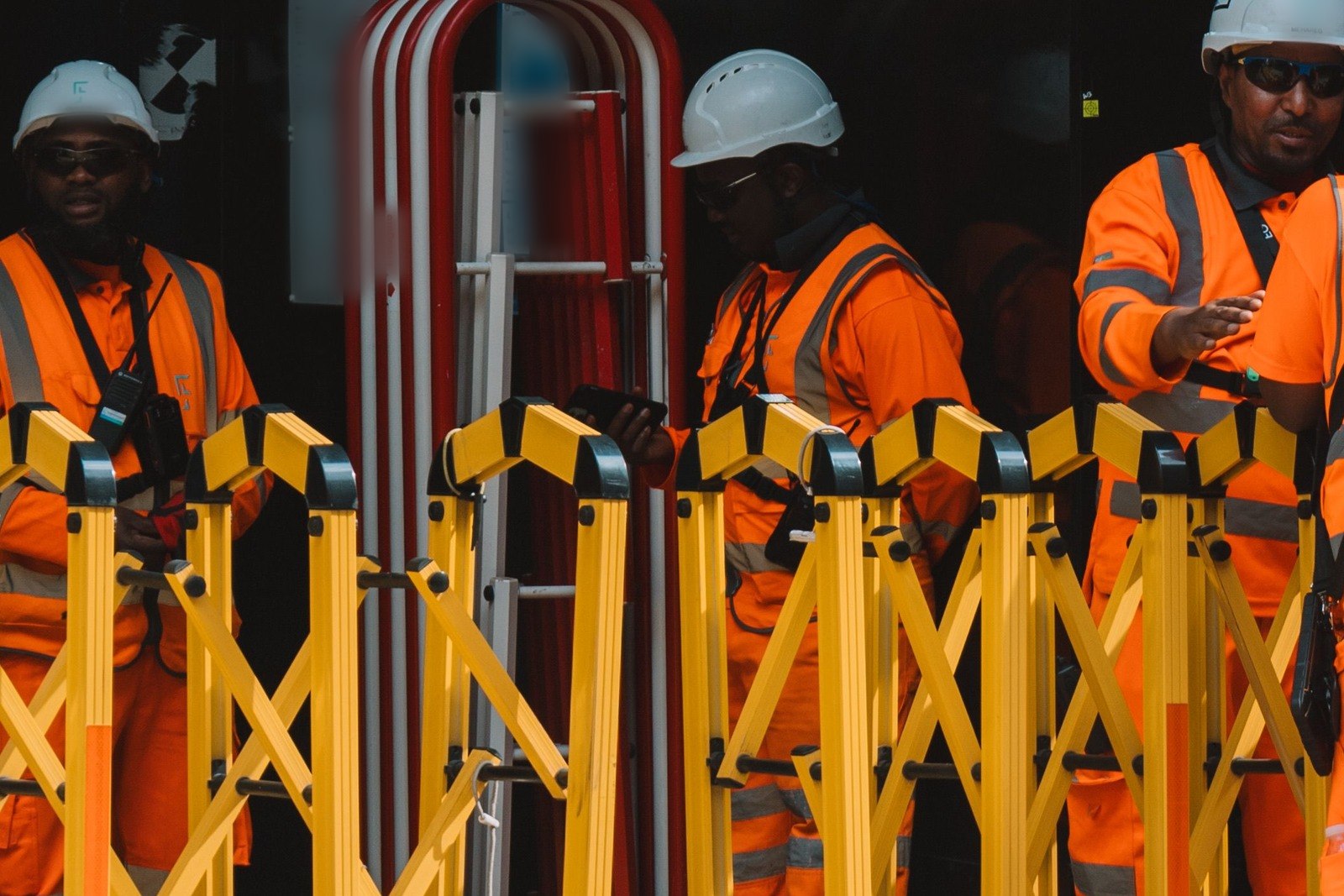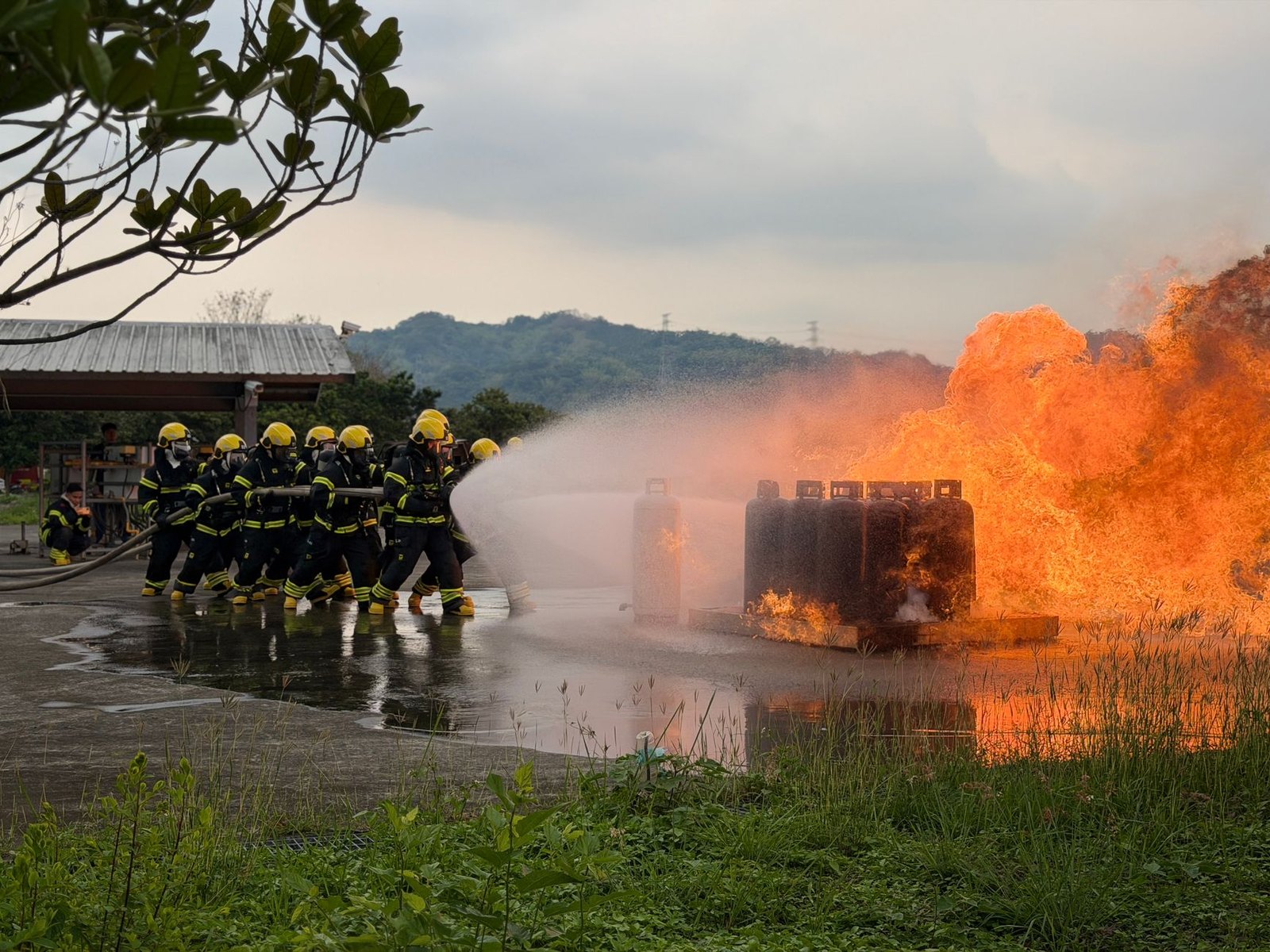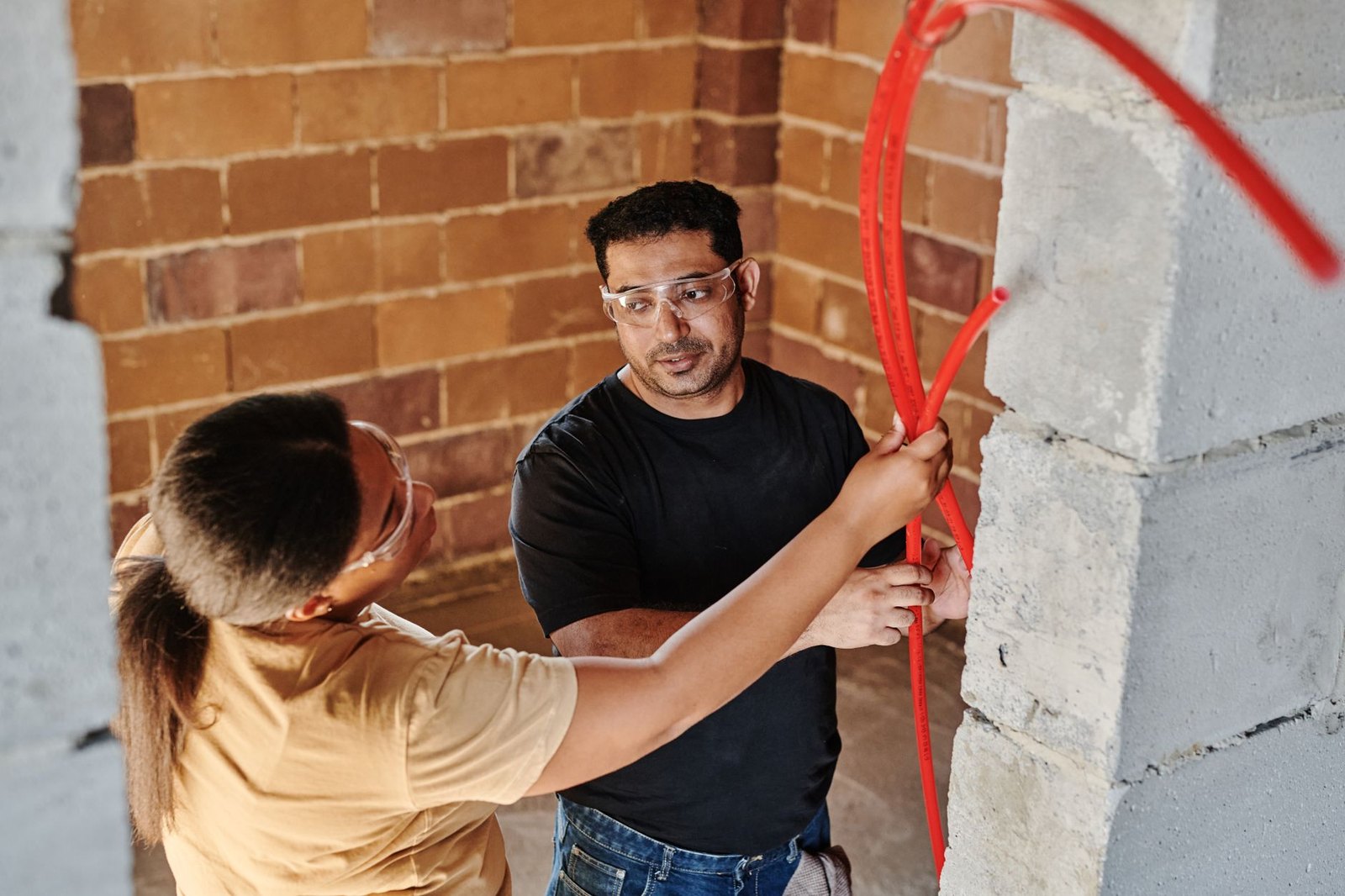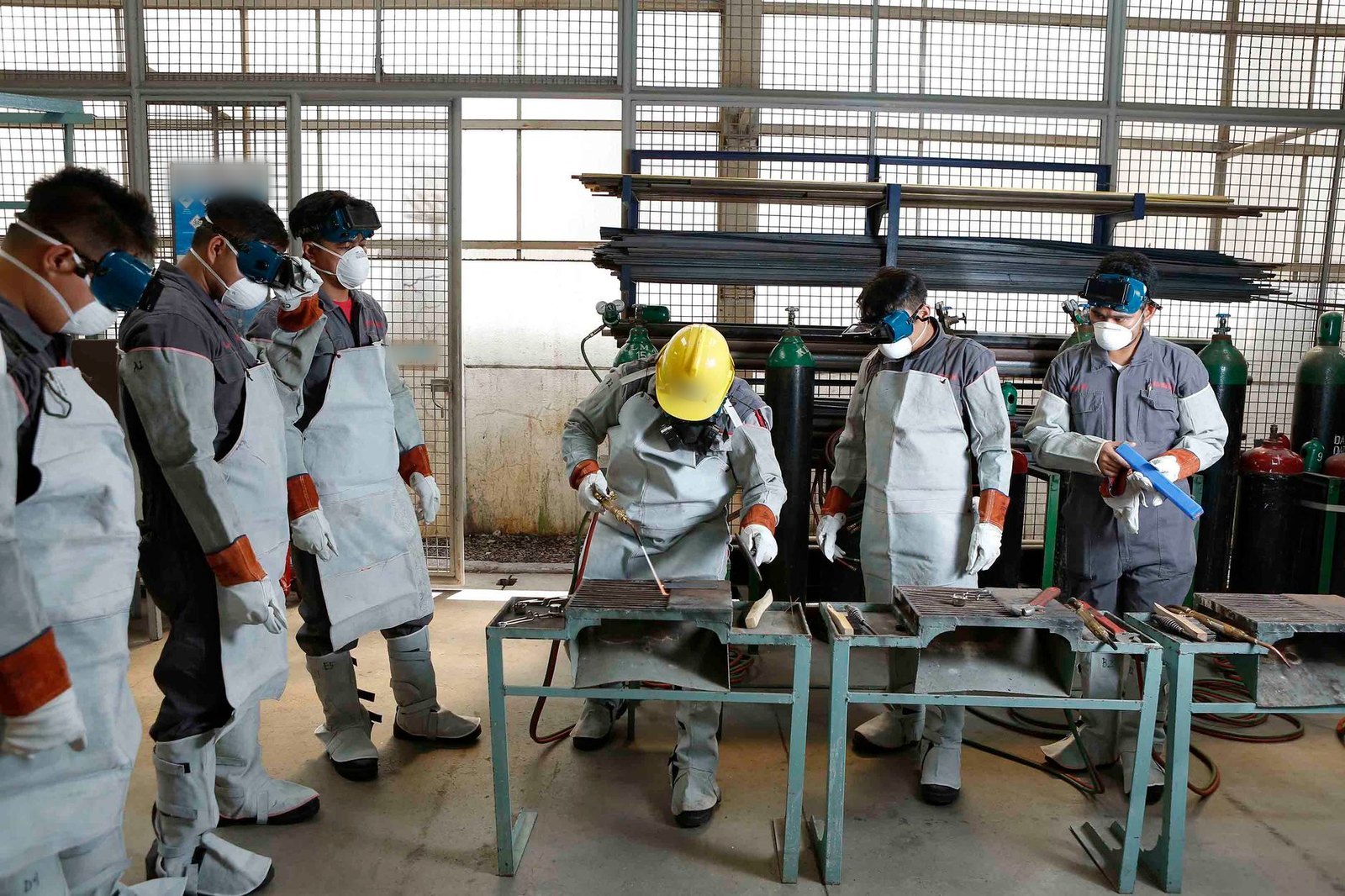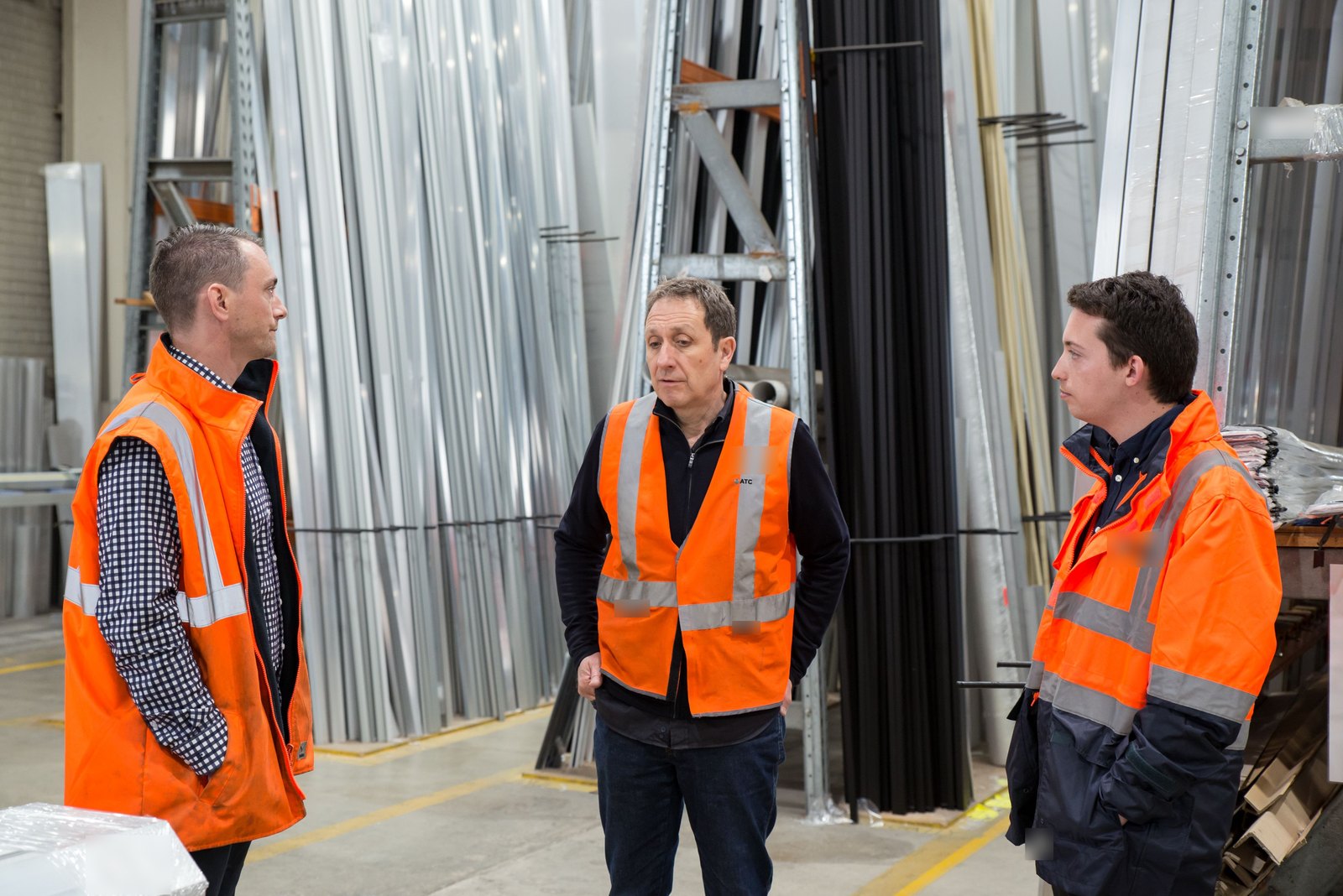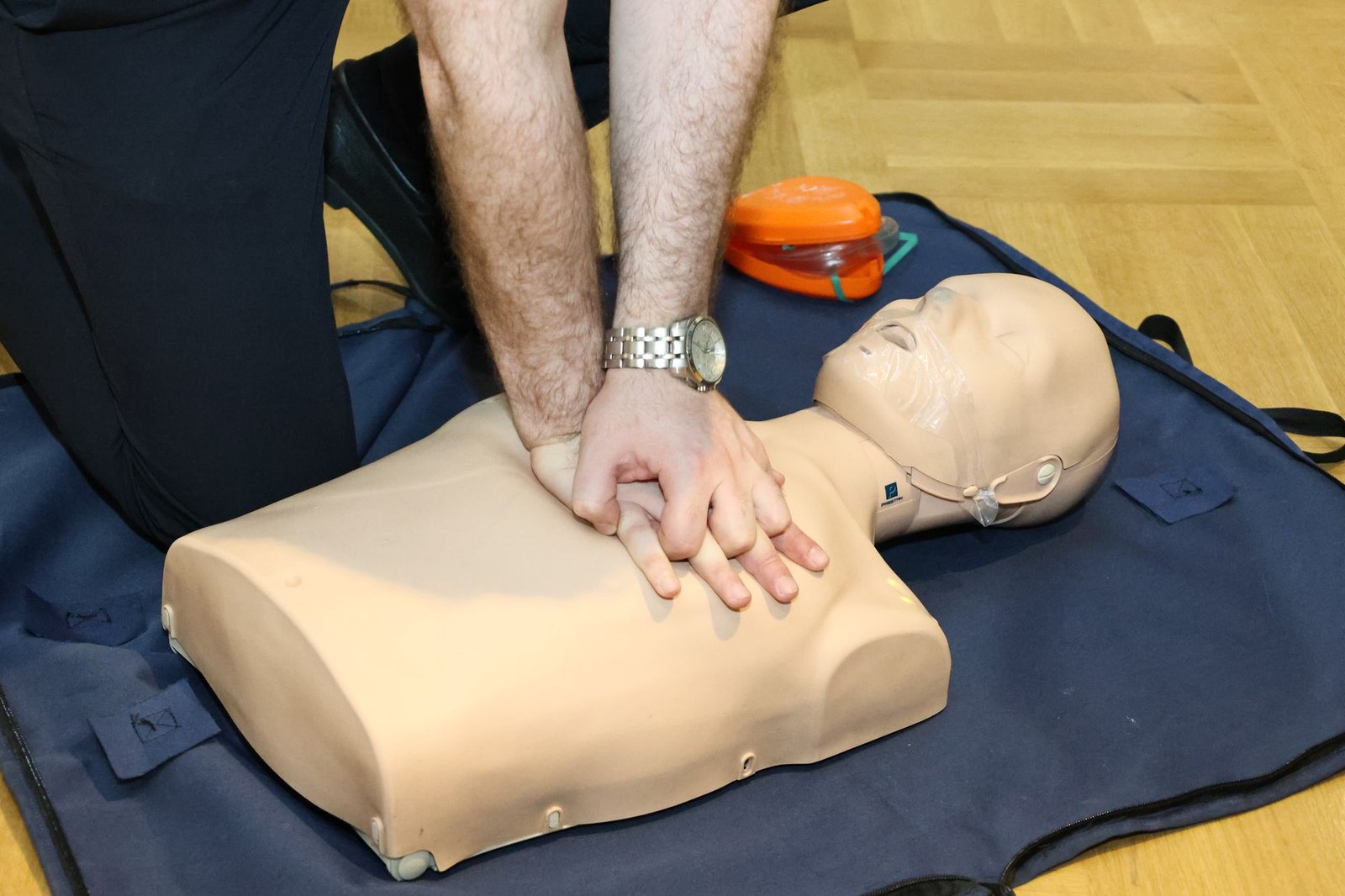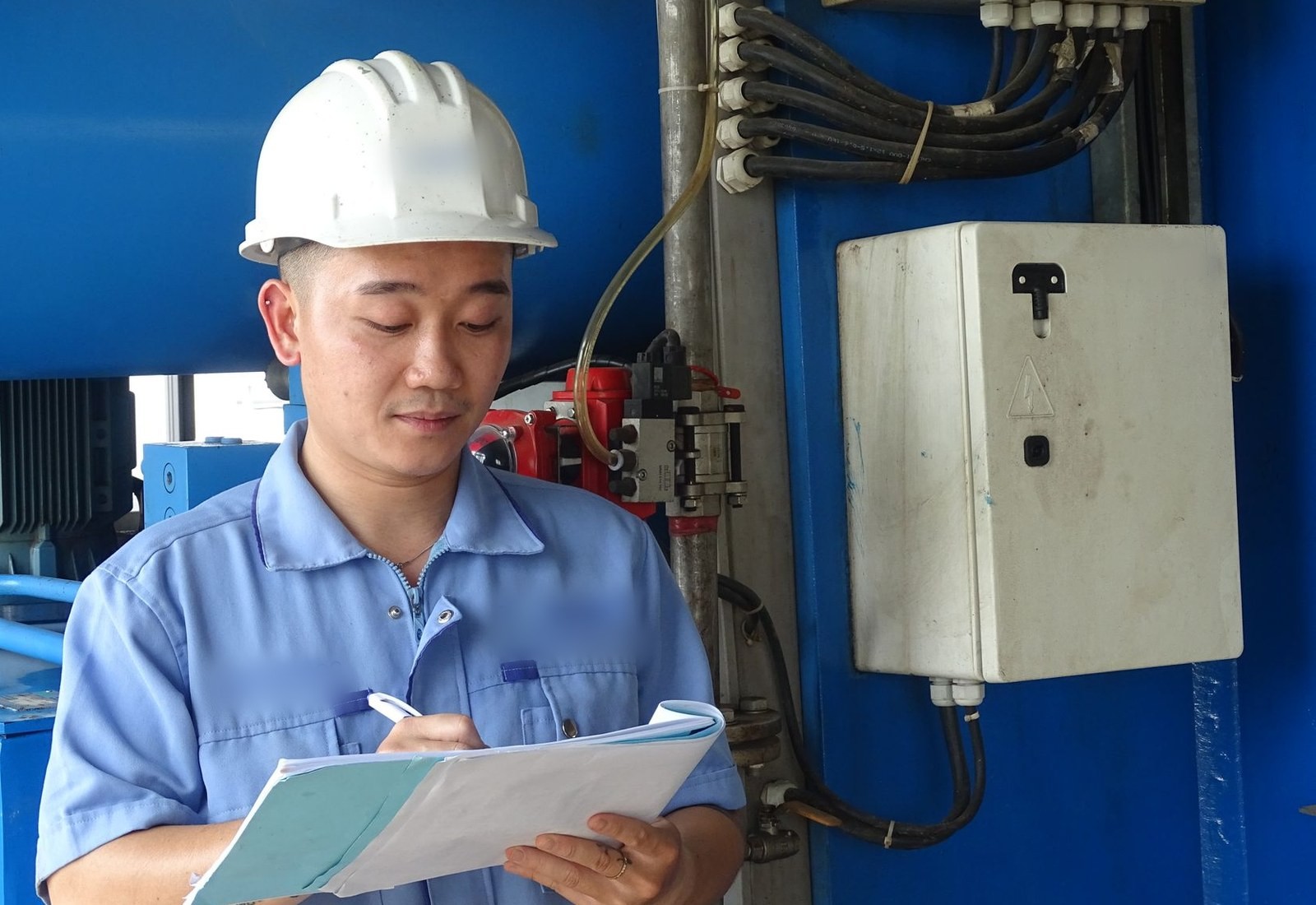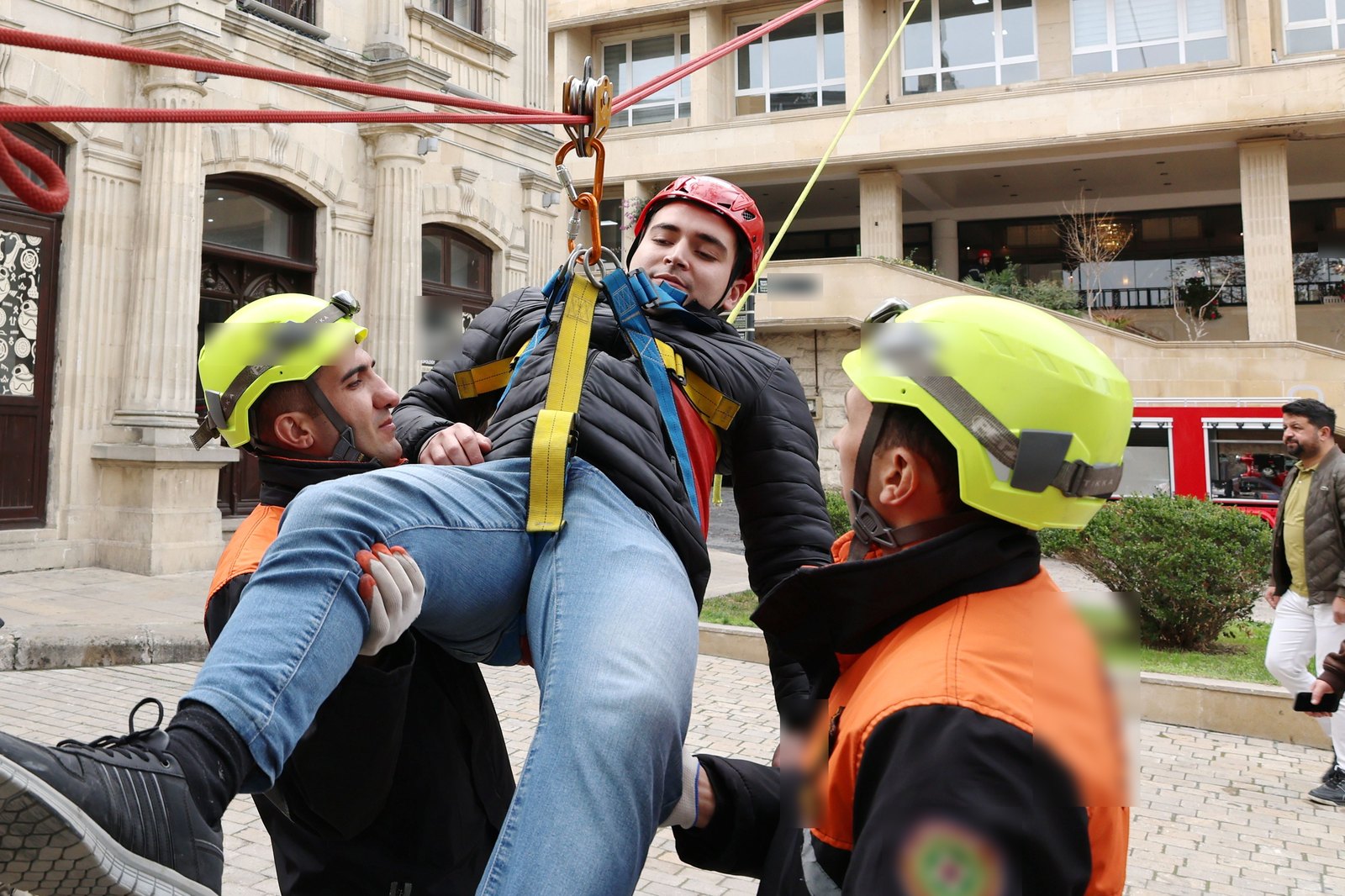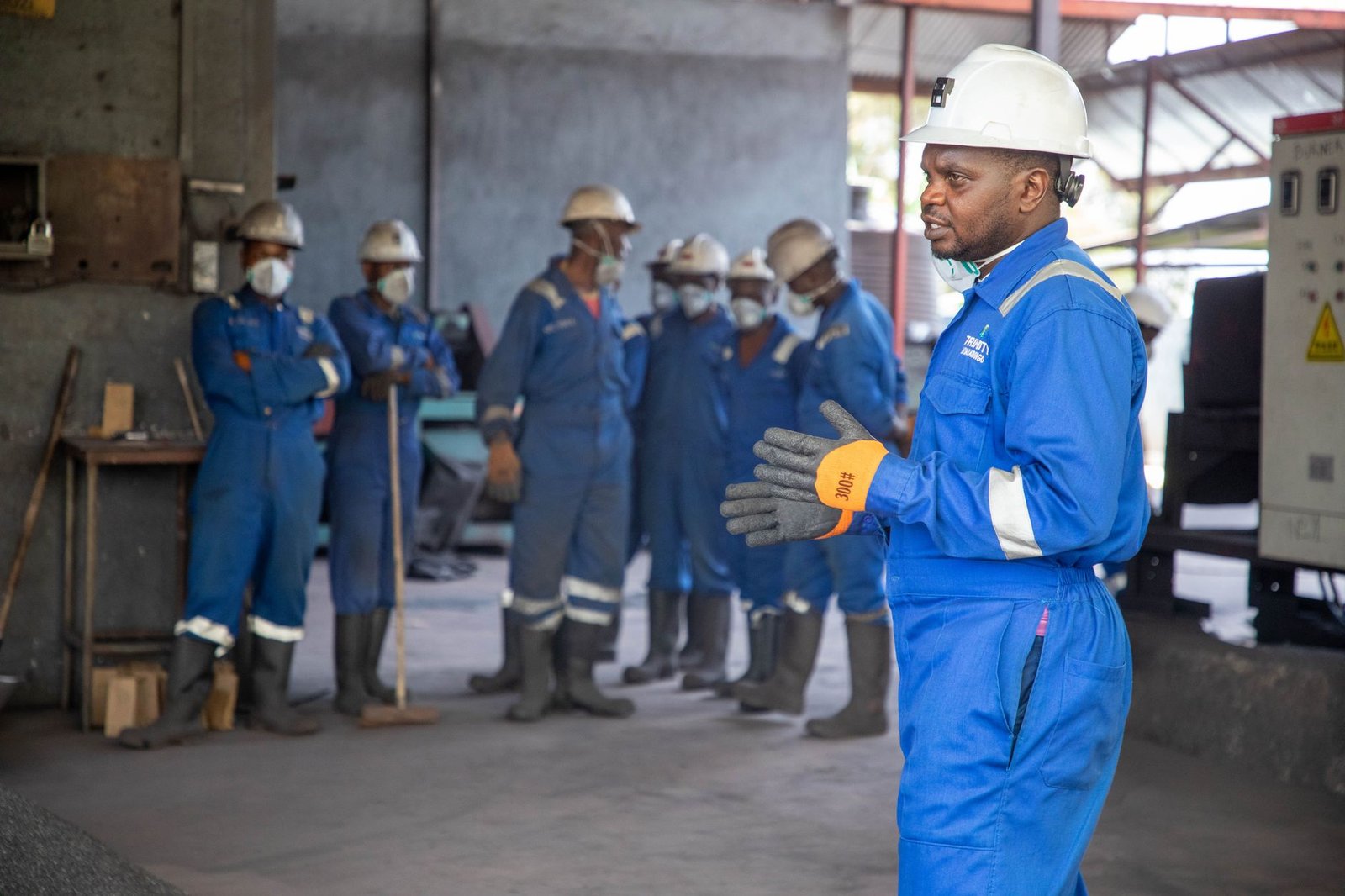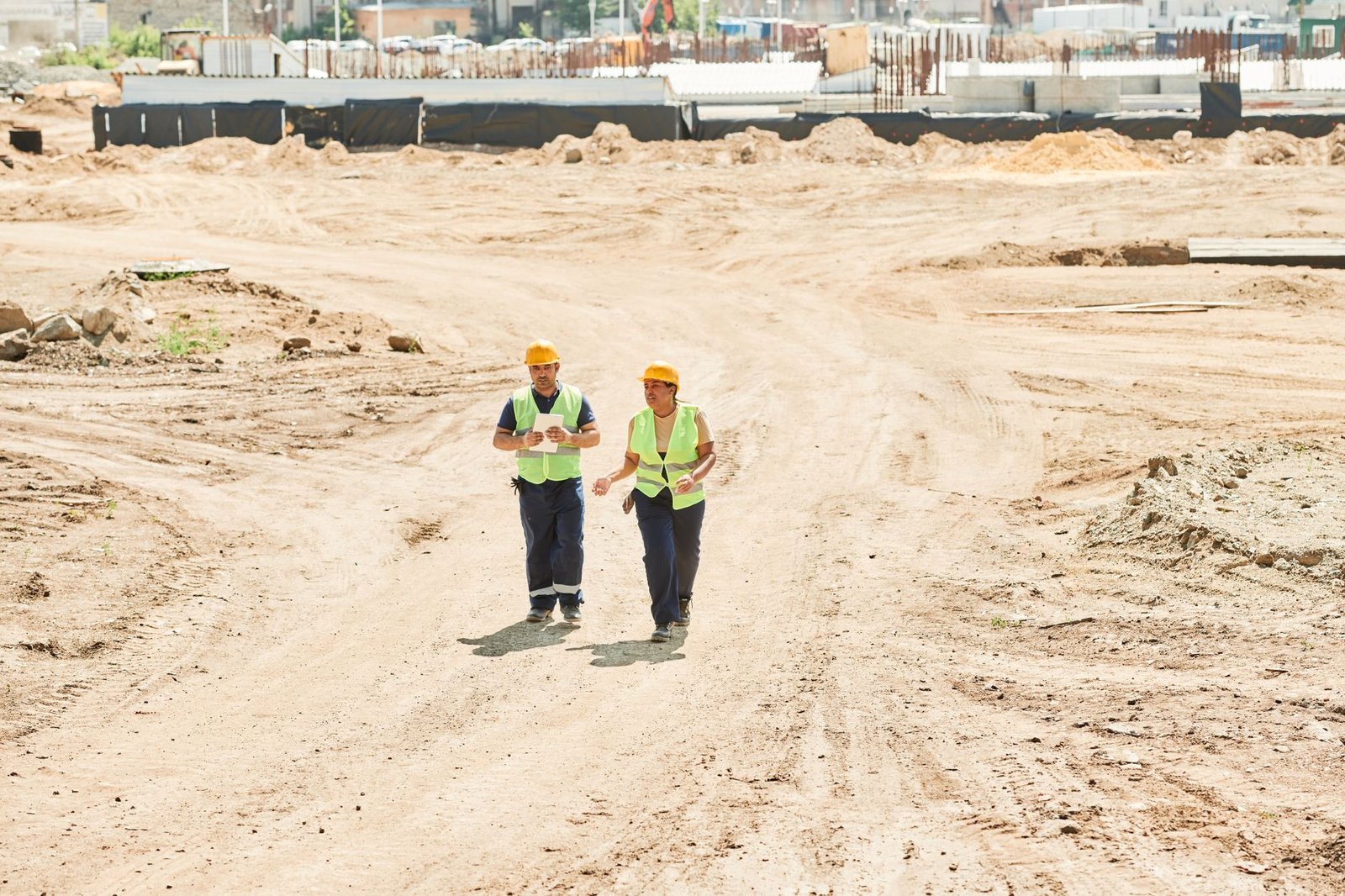
On a construction site, one person is expected to walk into a trench, look at the walls and the weather, and decide whether the crew stays in or climbs out. OSHA calls that person the competent person. Competent person training is how employers prepare someone for that call, and it is one of the least standardized trainings in the rulebook.
There is no single OSHA course, no fixed hour count and no universal curriculum. What OSHA does set is a definition, standards that assign duties to a competent person, and a test that comes down to judgment on the day. For an EHS manager, that means the employer carries the decision about who qualifies.
Table of Contents
- What is an OSHA competent person?
- Which OSHA standards require a competent person
- What competent person training covers
- Who needs competent person training
- Can competent person training be done online?
- Where competent person knowledge fades
- What this means for safety leaders
- Frequently Asked Questions
What Is an OSHA Competent Person?
OSHA's construction standards define the term at 29 CFR 1926.32(f). A competent person is one who is "capable of identifying existing and predictable hazards in the surroundings or working conditions" and who has "authorization to take prompt corrective measures to eliminate them."
That definition has two halves, and both have to be true:
- Capability. The person can spot hazards that exist now and hazards that are predictable from the conditions.
- Authority. The employer has given the person the power to fix those hazards right away, including stopping work.
A competent person is not the same as a qualified person. Under 1926.32(m), a qualified person shows ability through a recognized degree, certificate or professional standing, or through extensive knowledge, training and experience. Qualified describes technical expertise. Competent adds hazard recognition on site and the authority to act on it.
Which OSHA Standards Require a Competent Person
The definition sits in the general section of Part 1926. The duties sit in individual standards. These are the four most construction employers meet first:
| Standard | What the competent person does |
|---|---|
| Excavations, 1926.651 | Inspects excavations, adjacent areas and protective systems daily, before work and as needed during the shift |
| Scaffolds, 1926.451 | Inspects scaffolds before each work shift; supervises erecting, moving, dismantling or altering |
| Fall protection, 1926.503 | Trains employees who might be exposed to fall hazards |
| Confined spaces in construction, 1926.1203 | Identifies all confined spaces and permit spaces before work begins |
Excavations
Subpart P applies to all open excavations, including trenches. Under 1926.651(k), the competent person inspects "prior to the start of work and as needed throughout the shift," and again after every rainstorm or other hazard-increasing event. These inspections apply when employee exposure can reasonably be anticipated. When that inspection finds signs of a possible cave-in, exposed employees must be removed until precautions are in place.
Scaffolds
Subpart L covers scaffolds, but not crane or derrick suspended personnel platforms, and aerial lifts are governed by 1926.453 alone. Under 1926.451(f)(3), a competent person inspects scaffolds for visible defects before each work shift and after anything that could affect structural integrity. Under 1926.451(f)(7), scaffolds are erected, moved, dismantled or altered only under a competent person's supervision. Section 1926.454(b) adds that employees who erect, disassemble, move, operate, repair, maintain or inspect scaffolds are trained by a competent person.
Fall protection
Subpart M does not apply to inspections or assessments made before construction starts or after it ends. Scaffold fall protection lives in Subpart L instead. Section 1926.503 also excludes steel erection and the crane equipment covered by Subpart CC.
Where it applies, 1926.503(a)(2) requires that each employee be trained, as necessary, "by a competent person qualified in" a list of areas. When a site uses a safety monitoring system, 1926.502(h)(1) requires the employer to designate a competent person as the safety monitor.
Confined space competent person
The construction confined spaces standard (Subpart AA) excludes work already covered by Subpart P (excavations), Subpart S (underground construction, caissons, cofferdams and compressed air) and Subpart Y (diving). Where it applies, 1926.1203(a) requires that, before the employer begins work at a worksite, "a competent person identifies all confined spaces" where its employees may work, along with each space that is a permit space. A competent person also reevaluates a non-permit space when changes in its use or configuration might increase the hazards to entrants. The roles inside a permit space (entrants, attendants and entry supervisors) are a separate training question, covered in confined space training.
What Competent Person Training Covers
OSHA does not publish a competent person curriculum. In a 2005 interpretation letter on the scaffold standard, a course instructor asked whether a one-day scaffold class could validly claim to meet OSHA's competent person requirements. OSHA answered: "The standard does not specify particular training requirements for competent persons." The letter added that completing a course does not, alone, necessarily make someone competent, and on authority it was blunt: "No course can provide that authority, since it can only be provided by the employer" (OSHA interpretation, June 17, 2005).
What the training must build depends on the work. For excavations, a 1992 OSHA letter said a competent person "must have specific training in, and be knowledgeable about, soils analysis, the use of protective systems" and the excavation requirements. Someone without that knowledge is not considered capable of identifying excavation hazards.
Pulled together, competent person training for any of these standards tends to cover the same four things. This is our own summary, not an OSHA framework:
- The standard itself: what it requires, and the inspections it assigns.
- Hazard recognition: the signs of existing and predictable hazards for that type of work.
- Corrective action: what to do when a hazard appears, including removing people.
- Site conditions: how weather, soil, equipment and changes in the job shift the risk.
Who Needs Competent Person Training
Start with the people you designate. Any employee you name as the competent person for excavations, scaffolds, fall protection training or construction confined spaces needs the knowledge that role demands. Superintendents, foremen and lead hands often fill the role, but the title does not qualify anyone. Capability and authority do.
Then look one level down. Two of the standards above make the competent person a trainer:
- Fall protection: every employee who might be exposed to fall hazards is trained, as necessary, by a competent person (1926.503(a)(2)).
- Scaffolds: employees who erect, disassemble, move, operate, repair, maintain or inspect scaffolds are trained by a competent person (1926.454(b)).
For those workers, the quality of their training depends on the competent person's own command of the material. A training needs assessment is a practical way to see where that command is strong and where it is thin before the next job starts.
Can Competent Person Training Be Done Online?
Online courses can carry the classroom part: definitions, the standard's text, inspection checklists. They cannot cover everything the role demands.
OSHA has addressed computer-based training in general terms. In a 1994 letter answering a utility's questions about computer-based training, mainly for HAZWOPER, OSHA wrote that "use of computer-based training by itself would not be sufficient to meet the intent of most of OSHA's training requirements." It added that such training can be acceptable when "supplemented by the opportunity for trainees to ask questions of a qualified trainer" and by enough hands-on experience, and that traditional hands-on training is the preferred method.
For competent person training online, the bigger gap is judgment. Reading a trench wall after rain, or a scaffold after a high-wind day, is learned on real sites with an experienced person. An online module is a reasonable start. The designation still rests on what the employer sees the person do.
Where Competent Person Knowledge Fades
OSHA's own text expects knowledge to slip. Under 1926.503(c), an employer retrains any employee who no longer has the required understanding and skill. One listed trigger is when gaps in an employee's knowledge or use of fall protection equipment show "the employee has not retained the requisite understanding or skill." Section 1926.454(c) sets similar triggers for scaffold work.
The competent person's knowledge is exposed to the same decay, and it is rarely tested between jobs. Someone trained on soil classification may go months without a trench project. A Blank Slate article on annual training makes the same argument: annual sessions "often fall short in maintaining high knowledge levels year-round" (Smith, Blank Slate).
How Blank Slate keeps the knowledge current
Blank Slate keeps that knowledge in use between training sessions. It is a cognitive-readiness platform built on AI-optimized spaced retrieval: spaced repetition (reviewing material over time) combined with retrieval practice (answering from memory). People answer short questions in brief sessions (about 60 seconds), 3-4 times a week, adding up to a few minutes a week. It works on top of the training content an organization already has, and its True Knowledge Level™ shows what a person or team knows now.
The published evidence comes from settings outside construction. In a study of Air Force pararescue trainees using Blank Slate, presented at I/ITSEC 2023, accuracy rose from 67% to 81% over 16 weeks, with trainees averaging about 100 seconds of use per week. In a randomized controlled trial with university students, Blank Slate's spaced retrieval matched daily review's retention in about one-third of the study time (McHugh et al., 2021).
Blank Slate does not deliver competent person training, replace hands-on site experience, or designate anyone. It coexists with your LMS and your classroom courses, and the how it works page shows the setup.
What This Means for Safety Leaders
Because OSHA sets no curriculum, the employer's designation is the control point. The standards measure that designation by what the person can do on site: identify the hazard and correct it. A course certificate answers part of that question. What the person can recall and recognize on the day answers the rest.
That makes the decision practical. Pick the standards that apply on your sites, name the competent person for each, and decide how you will check that their knowledge is current before the next excavation, scaffold or roof job. The industrial safety page shows how Blank Slate supports EHS teams, and a Knowledge Gap Audit is a short way to see what your team knows today.
Frequently Asked Questions
What makes someone an OSHA competent person?
Two things: capability and authority. Under 29 CFR 1926.32(f), the person can identify existing and predictable hazards and has the employer's authorization to take prompt corrective action. A course alone does not confer either. The employer decides who qualifies, based on what the person can actually do.
Does OSHA require a specific competent person course?
No. In a 2005 interpretation letter on the scaffold standard, OSHA said the standard does not specify particular training requirements for competent persons. The training must match the work: for excavations, OSHA has said that includes specific training in soils analysis and the use of protective systems.
How often does competent person training need to be renewed?
The construction standards covered here set no fixed renewal interval for the competent person. For trained workers, 1926.503(c) and 1926.454(c) require retraining when changes at the worksite or in equipment make the earlier training obsolete, or when gaps show an employee has not retained what is needed.
Which workers must be trained by a competent person?
Two groups in the standards covered here: employees who might be exposed to fall hazards, as necessary (1926.503(a)(2)), and employees who erect, disassemble, move, operate, repair, maintain or inspect scaffolds (1926.454(b)).
OSHA leaves the choice of competent person to you. A Knowledge Gap Audit shows what your team knows today, where gaps may exist and where to focus first.