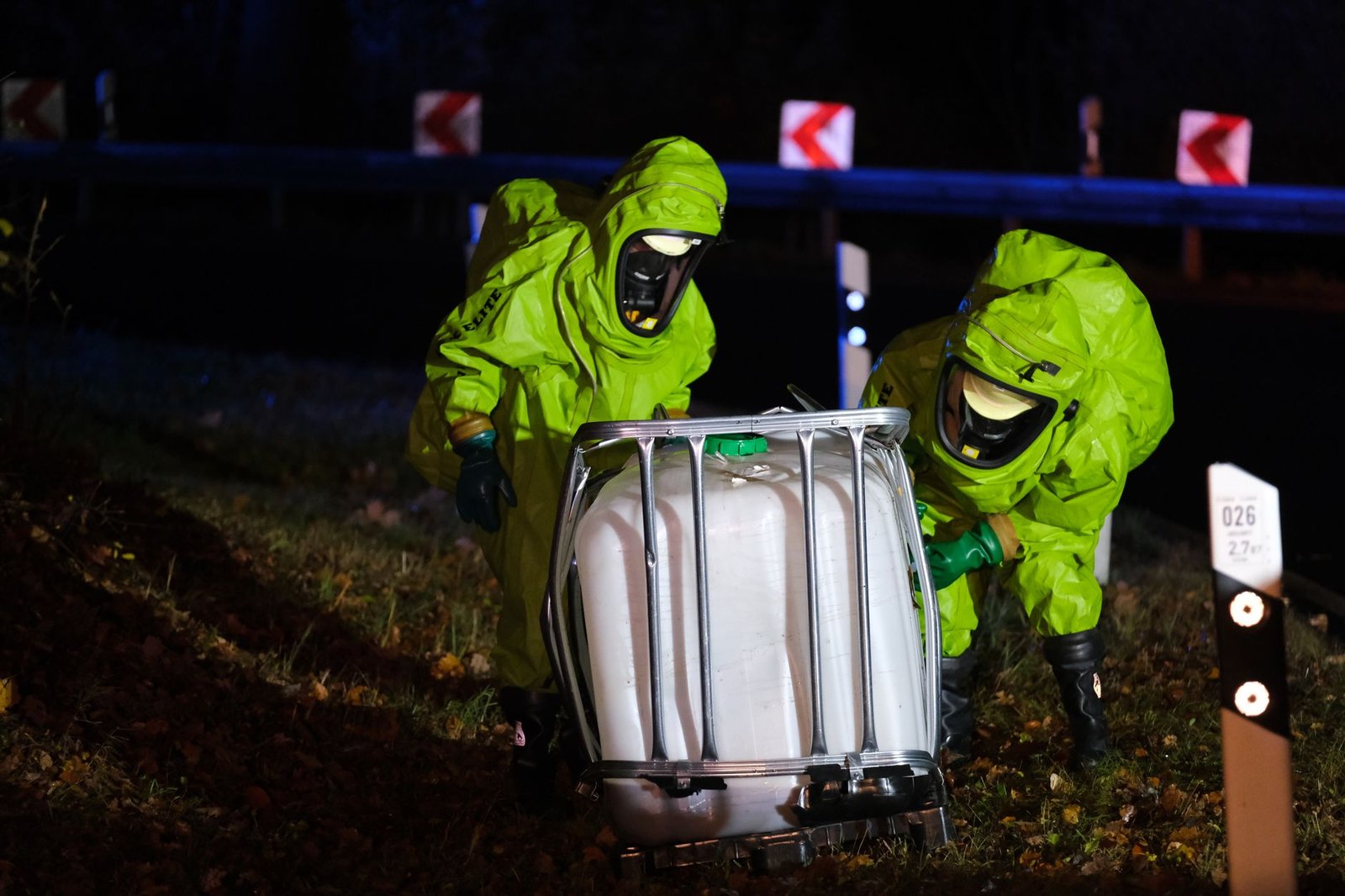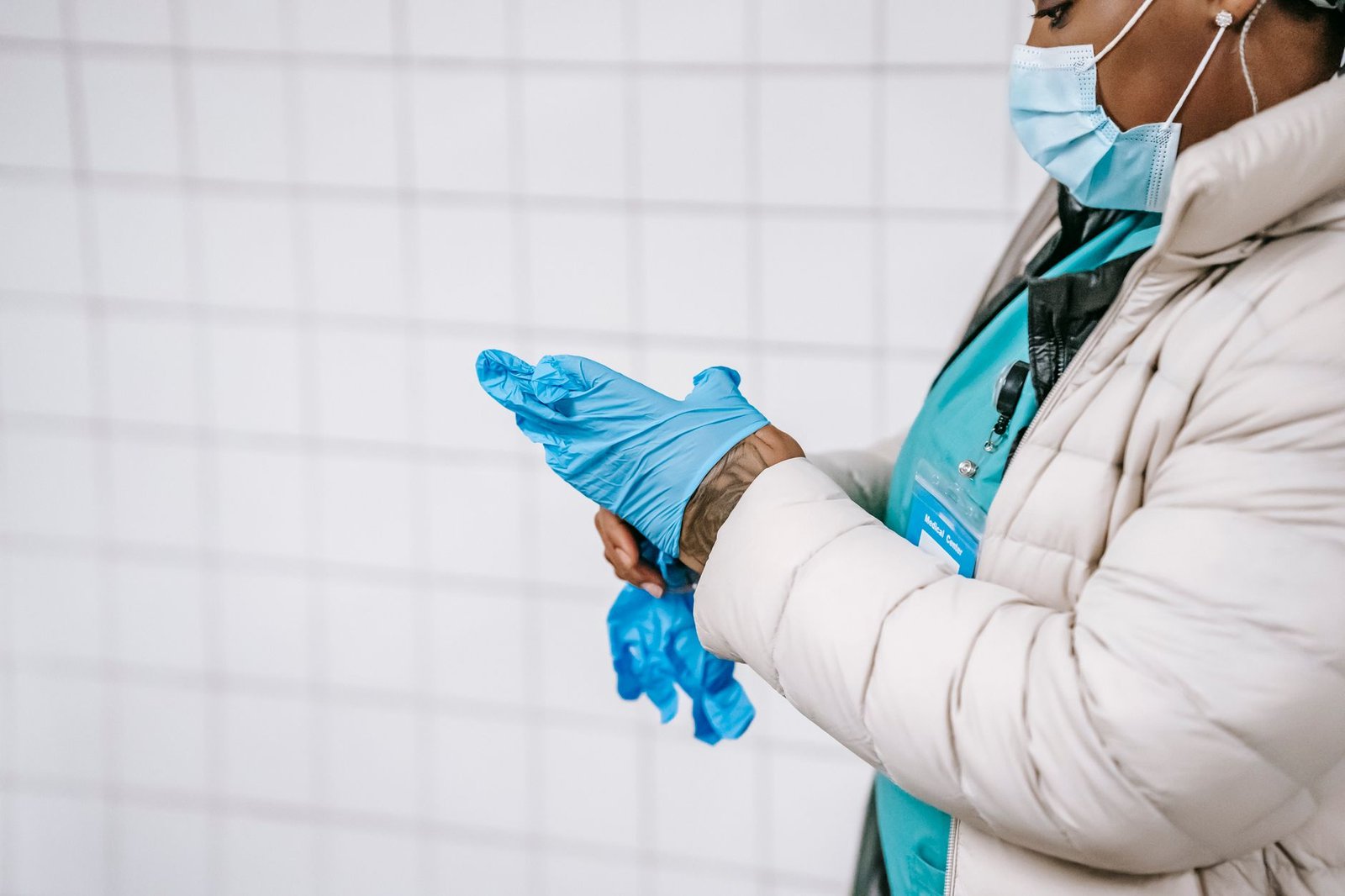
A nurse sticks herself with a used needle at 3 a.m. What she does in the next few minutes depends on whether she remembers what your exposure control plan says. The plan itself sits in a binder or on the intranet, reviewed last spring.
OSHA requires the written exposure control plan, an annual review of it, and annual training that explains it. Each of those happens on a date. Exposures can happen on any day in between, and by then staff may remember far less of the plan than the review assumed.
Table of Contents
- What is an exposure control plan?
- What OSHA requires in a written exposure control plan
- Keeping the plan current: the annual review
- How the plan reaches employees
- The gap between reviews
- Keeping staff knowledge of the plan current
- What this means for safety and infection prevention leaders
- Frequently Asked Questions
What Is an Exposure Control Plan?
A bloodborne pathogens exposure control plan is the employer's written program for protecting workers from blood and other potentially infectious materials. It is required by OSHA's Bloodborne Pathogens standard, 29 CFR 1910.1030. In its answers to the most frequently asked questions about the standard, OSHA describes it as "the employer's written program that outlines the protective measures" the employer will take.
Its primary purpose is set in paragraph (c)(1)(i): a written plan "designed to eliminate or minimize employee exposure." Every other part of the plan serves that goal.
Who needs one. Paragraph (c)(1)(i) applies to "Each employer having an employee(s) with occupational exposure." The standard defines occupational exposure as "reasonably anticipated skin, eye, mucous membrane, or parenteral contact with blood" or other potentially infectious materials that may result from an employee's duties. Coverage turns on what employees do, which is why the exposure determination comes first.
What OSHA Requires in a Written Exposure Control Plan
Paragraph (c)(1)(ii) says the plan "shall contain at least the following elements." There are three:
| Element | Paragraph | What it means in practice |
|---|---|---|
| Exposure determination | (c)(1)(ii)(A), (c)(2) | Job classifications where all employees have exposure, those where some do, and the tasks and procedures that cause it |
| Schedule and method of implementation | (c)(1)(ii)(B) | How and when you comply with the methods of compliance, HIV and HBV research laboratory, vaccination and follow-up, hazard communication and recordkeeping paragraphs |
| Exposure incident evaluation | (c)(1)(ii)(C) | "The procedure for the evaluation of circumstances surrounding exposure incidents" |
Two details trip up first drafts. Under (c)(2)(ii), the exposure determination "shall be made without regard to the use of personal protective equipment." Gloves do not take a task off the list.
The second is controls. The implementation schedule covers the methods of compliance in paragraph (d), which rely on engineering and work practice controls, and the standard defines both. Engineering controls, such as sharps containers and self-sheathing needles, "isolate or remove the bloodborne pathogens hazard from the workplace." Work practice controls "reduce the likelihood of exposure by altering the manner in which a task is performed," such as prohibiting two-handed recapping of needles.
OSHA also publishes a model plan, Model Plans and Programs for the OSHA Bloodborne Pathogens and Hazard Communications Standards (OSHA 3186, 2003). Its title also names the Hazard Communication standard, which requires its own written hazard communication program. A model plan, or any exposure control plan PDF, is a starting point. The exposure determination and the procedures still have to describe your own jobs, tasks and devices.
Keeping the Plan Current: The Annual Review
Paragraph (c)(1)(iv) is the "keep it current" rule. The plan "shall be reviewed and updated at least annually and whenever necessary to reflect new or modified tasks and procedures which affect occupational exposure." It must also reflect new or revised positions with occupational exposure.
The annual review has two required outputs:
- Technology changes. The plan must reflect "changes in technology that eliminate or reduce exposure to bloodborne pathogens" ((c)(1)(iv)(A)).
- Safer devices. It must document annual consideration and implementation of appropriate, commercially available and effective safer medical devices ((c)(1)(iv)(B)).
One input applies only to some employers. Under (c)(1)(v), an employer must solicit input from "non-managerial employees responsible for direct patient care who are potentially exposed to injuries from contaminated sharps." That input covers the identification, evaluation and selection of engineering and work practice controls, and the plan must document it. The rule names only those employees, so a workplace with no direct patient care staff has no one to solicit under it.
How the Plan Reaches Employees
A plan only protects people who know what is in it. The standard gets the plan to employees in two ways.
Access. Under (c)(1)(iii), the employer "shall ensure that a copy of the Exposure Control Plan is accessible to employees" in accordance with 29 CFR 1910.20(e). OSHA's answers to frequently asked questions add that "If the plan is maintained solely on computer, employees must be trained to operate the computer."
Training. Bloodborne pathogens training under paragraph (g)(2) must include "An explanation of the employer's exposure control plan and the means by which the employee can obtain" a copy ((g)(2)(vii)(D)). Training is due at initial assignment and at least annually, and employees in HIV and HBV research laboratories and production facilities need additional initial training under (g)(2)(ix). Paragraph (g)(2)(v) requires additional training when changed tasks or procedures affect an employee's exposure, and that training "may be limited to addressing the new exposures created."
The Gap Between Reviews
The review is annual. Training is annual, due "within one year of their previous training" ((g)(2)(iv)). Everything in between depends on memory.
Exposures are common enough that this matters. A meta-analysis in Annals of Global Health pooled 87 studies of 50,916 healthcare workers in 31 countries (Bouya et al., 2020). It estimated a one-year global prevalence of needlestick injuries of 44.5%, a pooled figure across those countries, not a US rate. The authors called for better needle-stick education programs.
Memory of what to do fades. In a 2025 meta-analysis in Psychological Bulletin covering "1,344 effect sizes from 457 reports" on procedural skills with motor components, researchers found that "half of initial skill acquisition performance gains were lost after approximately 6.5 months for accuracy." Those were physical skills, so the figure is a rough guide. Still, your post-exposure steps are procedures used rarely, by people trained up to a year ago.
| What the annual cycle documents | What staff need on shift |
|---|---|
| The plan was reviewed and updated | Where the plan is and who to call |
| Training was completed, with dates and trainers | The first steps after a needlestick or splash |
| Safer devices were considered | How the new device is used and disposed of |
| Exposure determination lists their job | Which of their tasks carry exposure |
Keeping Staff Knowledge of the Plan Current
This is where Blank Slate fits. Blank Slate is a cognitive-readiness platform built on AI-optimized spaced retrieval. Spaced retrieval combines spaced repetition (reviewing material over time) with retrieval practice (answering from memory instead of rereading).
Blank Slate works on top of the training content your organization already has, including what staff need to recall from the plan: where to report, the immediate first-aid steps, which device is in use. Staff use short sessions (about 60 seconds), 3-4 times a week, adding up to a few minutes a week. True Knowledge Level™, Blank Slate's real-time readiness metric, shows what a person or team knows now. When a revised procedure or new device creates the "new exposures" (g)(2)(v) refers to, you can see whether the team has absorbed the change.
What studies of other protocols show
Blank Slate has no published bloodborne pathogens study, so the nearest analogy comes from a different protocol in the same setting. In a pilot co-authored with Mass General nursing leaders, nursing staff used Blank Slate for 2-3 minutes per workday for six weeks (Journal of Patient Safety, 2025). Their accuracy on fall-prevention questions rose from 65% on first attempts to 82% by the end.
Confidence in preventing falls and completion of a bedside fall-safety checklist also improved. The small pilot found no change in patient falls. It shows retention of a fall-prevention protocol, so read it as an analogy, not as evidence about bloodborne pathogens.
A similar pattern shows up outside healthcare. In a study presented at I/ITSEC 2023, US Air Force pararescue trainees using Blank Slate rose from 67% to 81% accuracy over 16 weeks, averaging about 100 seconds of use per week. The time cost is low too. In a randomized trial with university students, Blank Slate's spaced retrieval matched daily review's retention in about one-third of the study time (McHugh et al., 2021).
What Blank Slate does not replace
Blank Slate does not deliver the training 1910.1030 requires. It does not replace annual training, the interactive questions and answers with the trainer that (g)(2)(vii)(N) requires, or your (h)(2) training records. It coexists with your LMS, which records completion while Blank Slate shows retention (see the difference). The how it works page shows the setup, and the healthcare page covers clinical teams.
What This Means for Safety and Infection Prevention Leaders
Most annual reviews ask whether the document is right. Paragraph (c)(1)(iv) asks whether tasks, procedures and devices have changed. A second question follows from it: whether staff have absorbed those changes. Knowledge data answers that second question with evidence instead of a sign-in sheet.
That changes how you use the review. Teams whose recall of the post-exposure procedure has slipped get targeted additional training before the annual date. For nursing staff, that recall data can sit alongside the other nursing competencies a hospital validates.
Devices staff misunderstand can be raised in the annual safer-device evaluation, alongside any frontline input the plan documents. A training needs assessment applies the same logic to the wider program. The frontline readiness report for healthcare adds context for clinical teams. A Knowledge Gap Audit shows where your staff stand on the plan today.
Frequently Asked Questions
What is the primary purpose of an exposure control plan?
Its purpose is to eliminate or minimize employee exposure to blood and other potentially infectious materials. Under 29 CFR 1910.1030(c)(1)(i), every employer with occupationally exposed employees must have a written plan designed to do that, covering who is exposed, how controls are implemented and how incidents are evaluated.
Which elements must be included in an exposure control plan?
At minimum, paragraph (c)(1)(ii) requires three elements: the exposure determination, the schedule and method of implementing the standard's other requirements, and the procedure for evaluating the circumstances of exposure incidents. The implementation schedule covers the standard's methods of compliance, including engineering and work practice controls.
How often must an exposure control plan be reviewed?
At least annually and whenever necessary. Paragraph (c)(1)(iv) requires updates for new or modified tasks, procedures and positions with exposure and for changes in technology, plus yearly documentation of the safer medical devices considered and implemented. Employers with non-managerial direct patient care staff exposed to sharps injuries must also solicit their input and document it.
Is there an OSHA exposure control plan template?
Yes. OSHA's publication 3186 includes a model exposure control plan. It is a starting point only: the exposure determination, procedures and device list must describe your own workplace, and employees must be able to access the finished plan.
Your exposure control plan is reviewed once a year. A Knowledge Gap Audit shows what your staff know today and where gaps may exist, so additional training goes where recall has slipped.