Most training leaders have watched it happen. A strong speaker or a well-run workshop sends a crew out of the room energized, and for a week the floor feels different. Motivational training for employees does real work. By the next quarter, though, the energy is hard to find, and nobody can say what the session left behind.
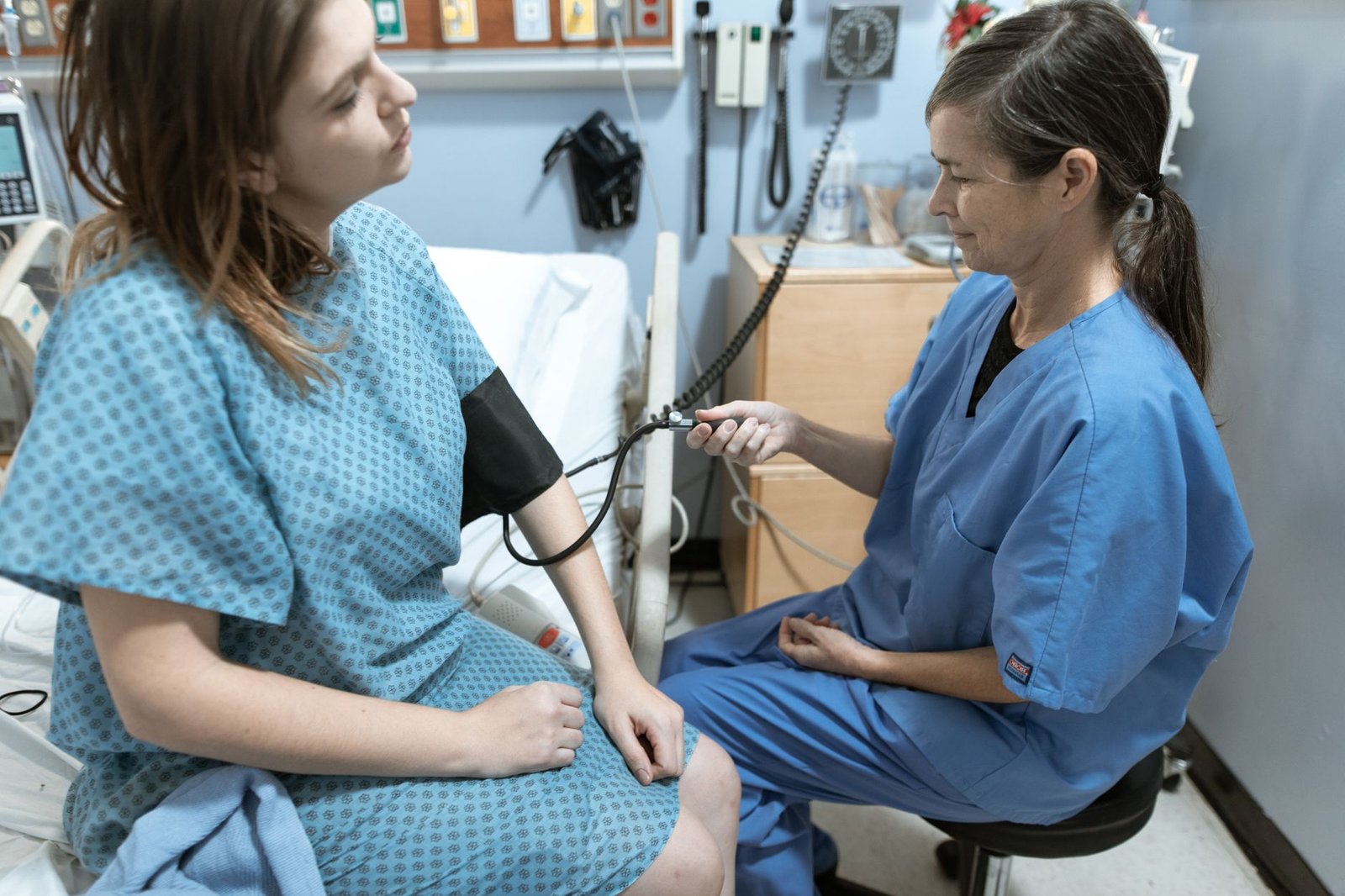
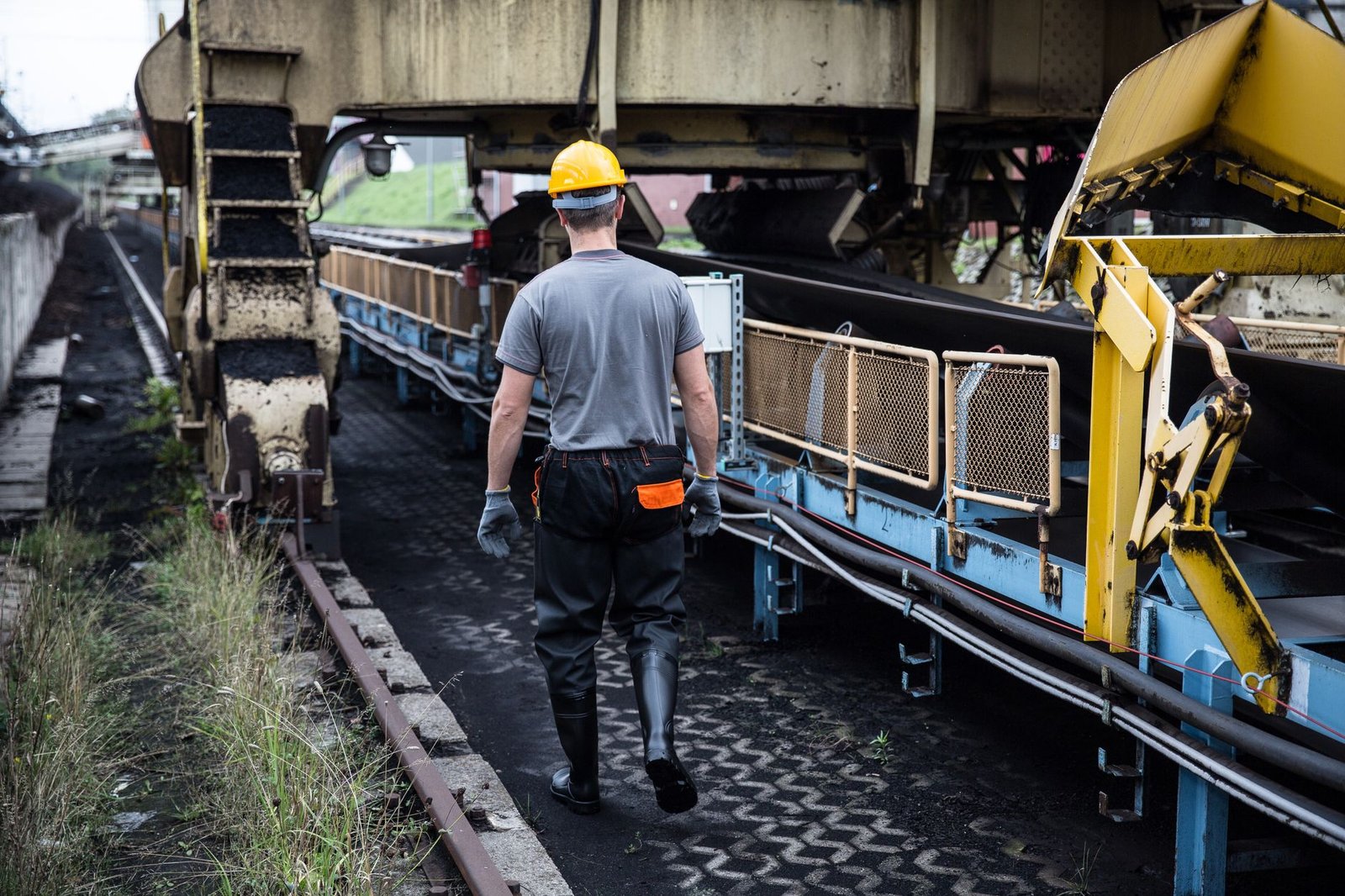
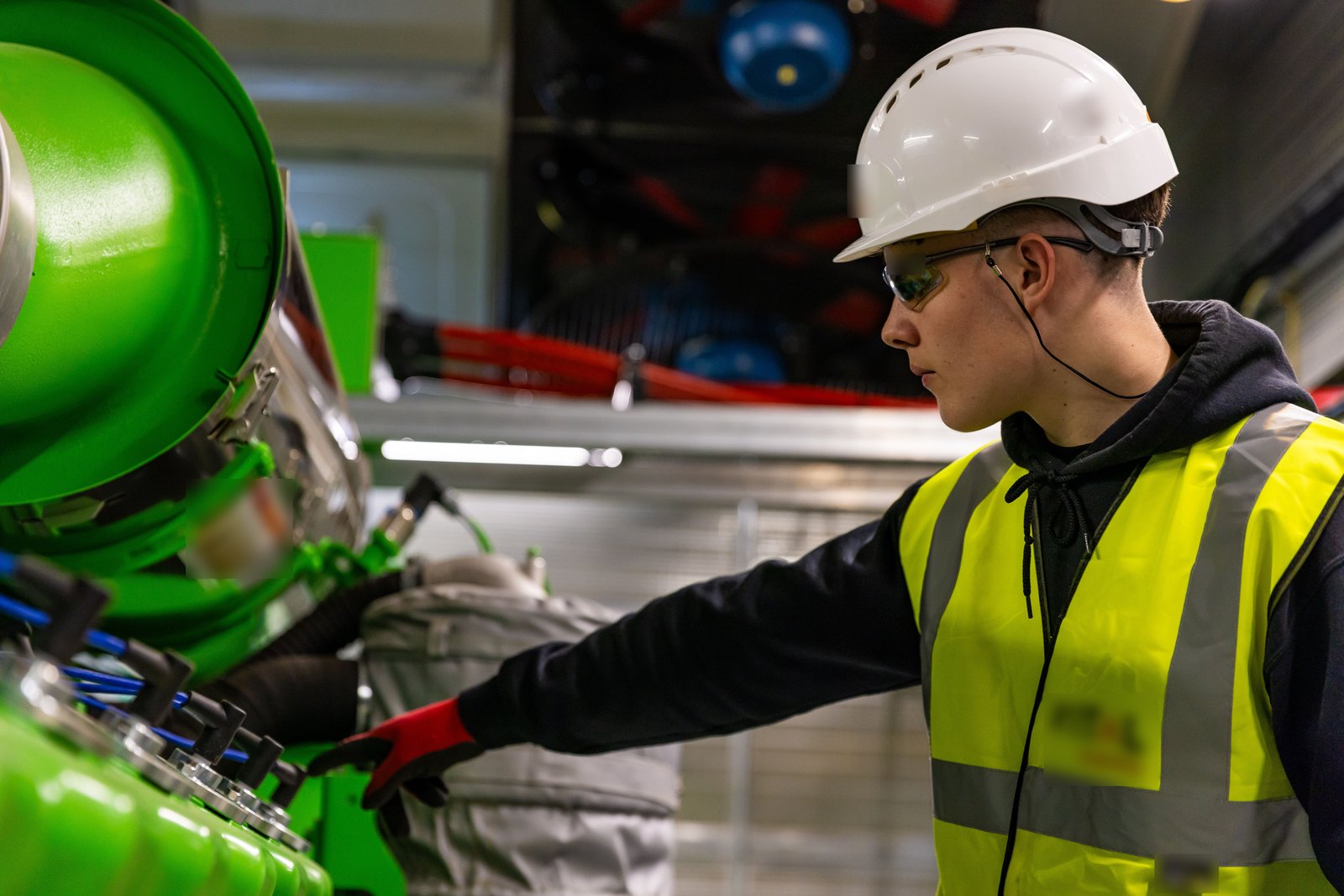
That gap matters most where people work under regulation and risk: plant crews, nurses, security officers, ground staff. Their leaders need to know what people know and how sure they are of it, months after the session ends.
Table of Contents
- What motivational training for employees actually does
- Why the lift from a talk or workshop fades
- Motivation and readiness are measured differently
- Confidence counts, but only next to knowledge
- What readiness over time looks like in the data
- How to turn a motivational session into readiness
- Frequently Asked Questions
What Motivational Training for Employees Actually Does
Motivation and learning go together, and training research has studied the link for decades. One meta-analytic path analysis covered 20 years of research on training motivation (Colquitt, LePine & Noe, Journal of Applied Psychology, 2000). It examined motivation's relationships with "declarative knowledge, skill acquisition, and transfer." The authors reported that "training motivation explained incremental variance in training outcomes beyond the effects of cognitive ability."
In plain terms, people who want to learn tend to learn more. That is a fair case for a motivational kickoff, a safety stand-down with a strong story, or a leader who explains why a procedure matters.
That research has a limit for this question. It does not test whether the energy a single talk creates is still there when a rarely used procedure is needed in month five.
Why the Lift From a Talk or Workshop Fades
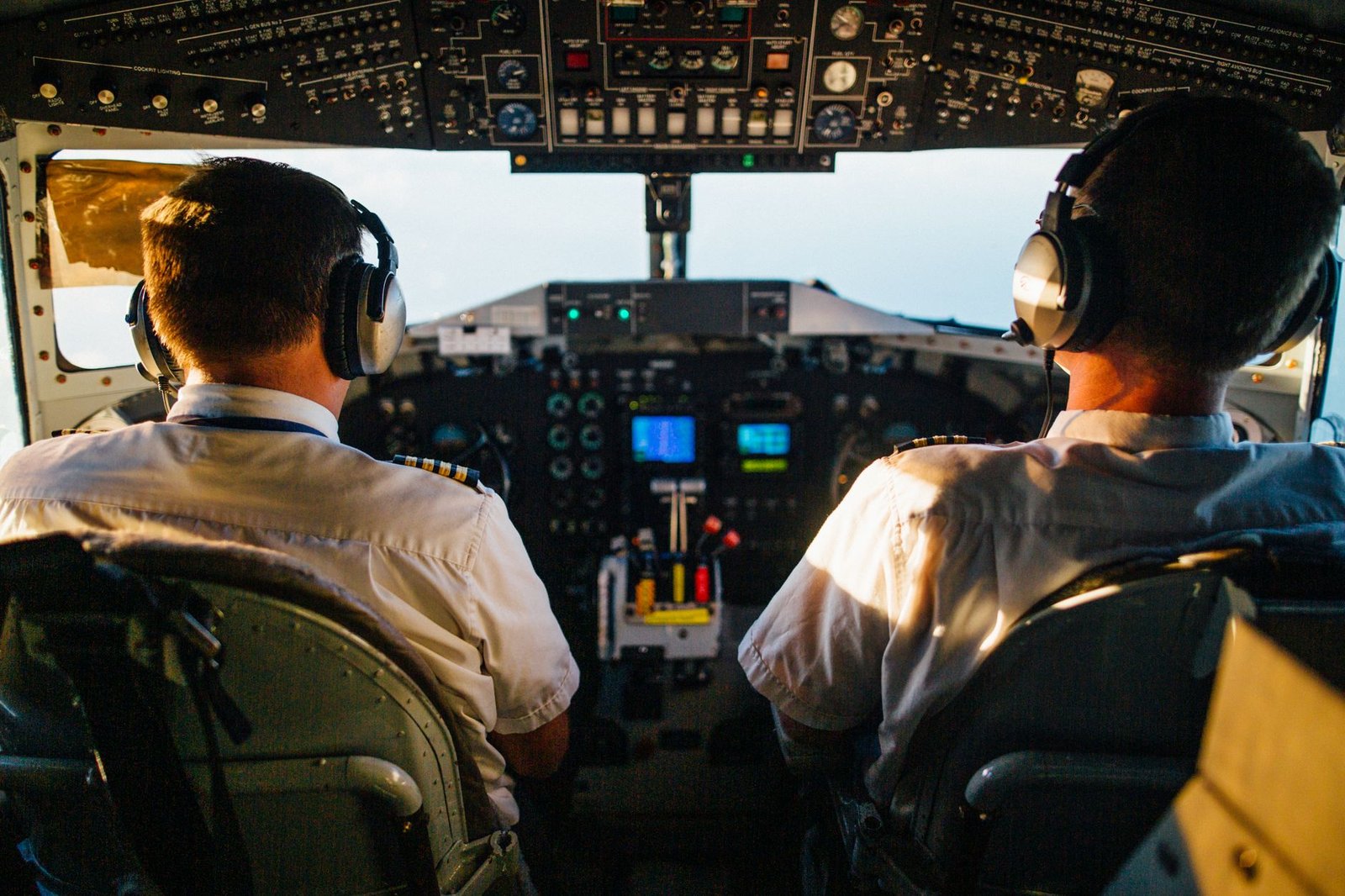
One long-running record comes from aviation. Researchers have surveyed pilots' attitudes toward crew resource management (CRM) concepts for years, so CRM offers a look at what happens to a training message over time.
Reviewing that history, Helmreich, Merritt and Wilhelm (International Journal of Aviation Psychology, 1999) wrote that "Acceptance of basic concepts may decay over time." Their surveys of pilots years after initial CRM training showed "a slippage in acceptance of basic concepts, even with recurrent training."
They were careful about why. "The reasons for the decay in attitudes are not immediately apparent," they wrote, and they offered likely causes as speculation. Their candidates included a lack of management support and a failure by evaluators such as line check airmen to reinforce the practice.
That is one field and one kind of training, and it is not a study of motivational talks. Still, the causes the authors suggested could apply to any session: when nothing in the daily job brings a message back, little keeps it current. Unused knowledge fades as well: in a four-week trial, students who did no review scored lower at the end than at the start (McHugh et al., 2021).
Keeping people engaged in training from week to week is a broader subject, as is adult learning retention. The narrower question here is how you would know whether a motivational session left anything usable behind.
Motivation and Readiness Are Measured Differently
A motivational session is usually judged on the day: the room felt good, the survey scores were high, people said they would use it. Readiness is judged later, on what a person knows and how sure they are when the job calls for it.
| Motivational session | Readiness | |
|---|---|---|
| When it shows | During and right after | Weeks and months later |
| Typical evidence | Reaction survey, attendance | Measured knowledge and confidence |
| Who reports it | Participants, about the session | Participants, answering job questions |
| What it tells you | People liked it and felt moved | What people know now, and how sure they are |
Both columns are useful. The trouble starts when the motivational-session column is reported as if it were readiness. A high reaction score after a workshop says the session worked as an event. It says little about whether a crew could walk through an emergency shutdown in the spring.
Confidence Counts, but Only Next to Knowledge
Confidence is part of readiness. A nurse who knows the fall-prevention steps but doubts herself may hesitate. Yet confidence on its own is a weak signal.
A review of self-assessment research (Dunning, Heath & Suls, Psychological Science in the Public Interest, 2004) reported that "The correlation between self-ratings of skill and actual performance in many domains is moderate to meager." It also noted that "Employees tend to overestimate their skill, making it difficult to give meaningful feedback."
So asking people how ready they feel is not enough. The stronger signal is confidence and knowledge measured together, and tracked over time.
A six-week pilot co-authored with Mass General nursing leaders did exactly that (Giumetti et al., Journal of Patient Safety, 2025). Nursing staff used Blank Slate for 2-3 minutes per workday.
Their accuracy on fall-prevention questions rose from about 65% on first attempts to 82% by their final attempts. On a 0-100 scale, their self-efficacy (confidence) for preventing patient falls rose from 79.38 to 94.46. Completion of the Fall TIPS safety checklist also improved.
Those three gains (knowledge, confidence and checklist completion) were the statistically significant results. The pilot was small, with 15 nurses completing it, and it found no change in patient falls. What it does show is the shape of the evidence a nurse educator can use: knowledge and confidence measured on the same people, at the start and after weeks of practice. The healthcare page shows how this fits hospital training.
What Readiness Over Time Looks Like in the Data
Blank Slate is a cognitive-readiness and knowledge-retention platform built on AI-optimized spaced retrieval. Spaced retrieval combines spaced repetition (returning to material over time) and retrieval practice (pulling the answer from memory instead of rereading it). Because people answer questions as they practice, each session also shows what they know.
That is how the field studies report results: as accuracy on each team's own material, tracked across months.
In a study of Air Force pararescue trainees presented at I/ITSEC 2023, first-time answers to the 52-question bank averaged 69.85%; final answers averaged 80.62%. That is a 10.8 percentage-point gain on the app content.
App users also had an 84% first-time pass rate on an applied knowledge test, against 46% for non-users. That result is an association. The author notes that "trainees with low motivation and/or poor organizational skills would likely express both behaviors," meaning motivation itself may explain part of the association.
With fully qualified F-16 and C-17 pilots, a 16-month study described in a conference paper prepared for I/ITSEC 2026 (Smith & Randolph) found an average first-attempt accuracy of only 66.91% on operational knowledge questions. Across 37 pilots, final accuracy rose to 81.36%, a 21.6% relative improvement. In the exit survey, 18 of 19 respondents said they wanted to keep using the app after the study ended. That is a self-reported signal, yet it comes at the end of 16 months, not the end of a single day.
In a year-long case study of 70 data-center security guards (MODSIM World 2025), the guards who started below the team median rose from about 56% to over 90% accuracy. The routine was three short sessions a week, six questions each.
None of these studies measured motivation the way a reaction survey does. They measured something a leader can act on: what people know, session by session. Blank Slate's research page lists the full studies.
How to Turn a Motivational Session Into Readiness
Keep the motivational session. Then build what comes after it. Five steps cover most of the work:
- Pick the knowledge the session is meant to serve. A safety talk usually supports a handful of procedures. Name them, and rank the rarely used, high-consequence ones first. A training needs assessment helps you rank them.
- Measure before the session. Ask a short set of job questions and a confidence rating on the same items. A baseline lets you see later whether the session moved anything.
- Give the message somewhere to live. Helmreich and colleagues named a lack of management support and of evaluator reinforcement as possible reasons attitudes slipped; they did not test a fix. Having supervisors bring the topic back in huddles and checks is this article's suggestion for closing that gap.
- Reinforce in small doses between sessions. Blank Slate runs short (about 60-second) sessions, 3-4 times a week, adding up to a few minutes a week. It works on top of the training content you already have and alongside your LMS. The how it works page shows the routine.
- Re-measure at intervals, not once. Look at knowledge and confidence together a month later, a quarter later and before the next refresher. Blank Slate's True Knowledge Level™ shows what a person or team knows now.
Blank Slate does not replace required training hours, refresher courses or hands-on practice. It reinforces and measures retention between them. If the session itself is the weak point, the same logic applies to interactive training: a strong start still needs a plan for the months after.
When you want a starting baseline before your next kickoff, a Knowledge Gap Audit shows what your team knows today.
Frequently Asked Questions
What is motivational training for employees?
It is training meant to raise employees' willingness to learn and apply a skill, often through a speaker, a workshop or a leader's story. It is best treated as the start of training. Research links training motivation to learning outcomes, but it does not show how long the lift from one session lasts, so plan follow-up.
Does the lift from a motivational talk last?
No study cited here times the lift from a single talk, but the evidence points to follow-up. Motivation is linked to learning: a 2000 meta-analysis found training motivation explained incremental variance in training outcomes beyond cognitive ability. And in aviation, pilots surveyed years after CRM training showed slipping acceptance of basic CRM concepts, even with recurrent training.
How do you measure whether motivation turned into readiness?
Measure knowledge and confidence on the same job questions before training, then again at intervals afterward. Rising accuracy and confidence together, over weeks or months, is stronger evidence than a reaction survey taken on the day of the session.
Is employee confidence a good measure of readiness?
Only alongside knowledge. Research on self-assessment finds self-ratings track actual performance moderately at best, and employees tend to overestimate their skill. Measure what people know on the same items where they rate their confidence, and watch both over time.
A motivational session gives your team a reason to care. A Knowledge Gap Audit gives you a one-page readiness snapshot within days: what's retained, what's slipping, and where to reinforce first.