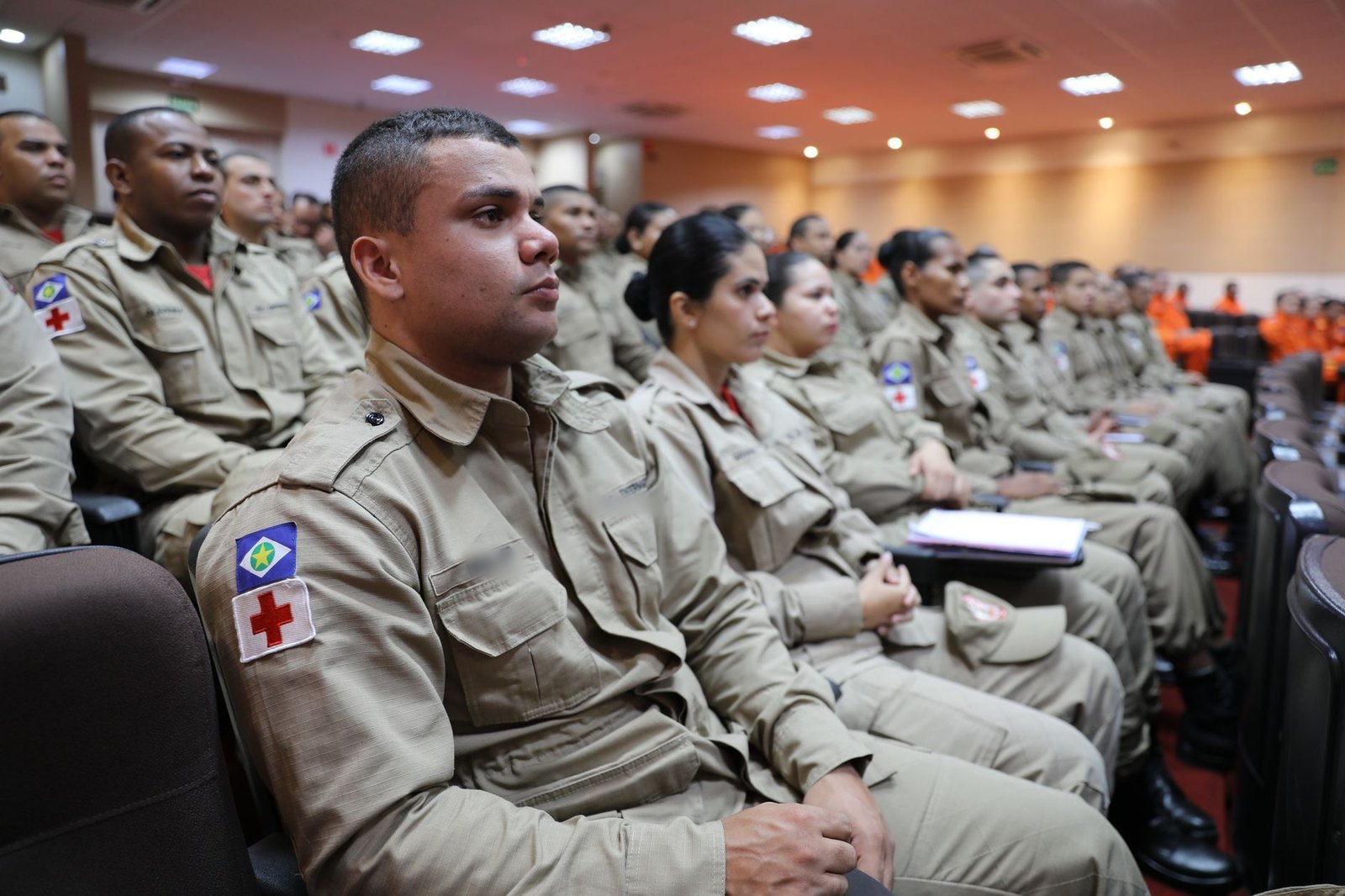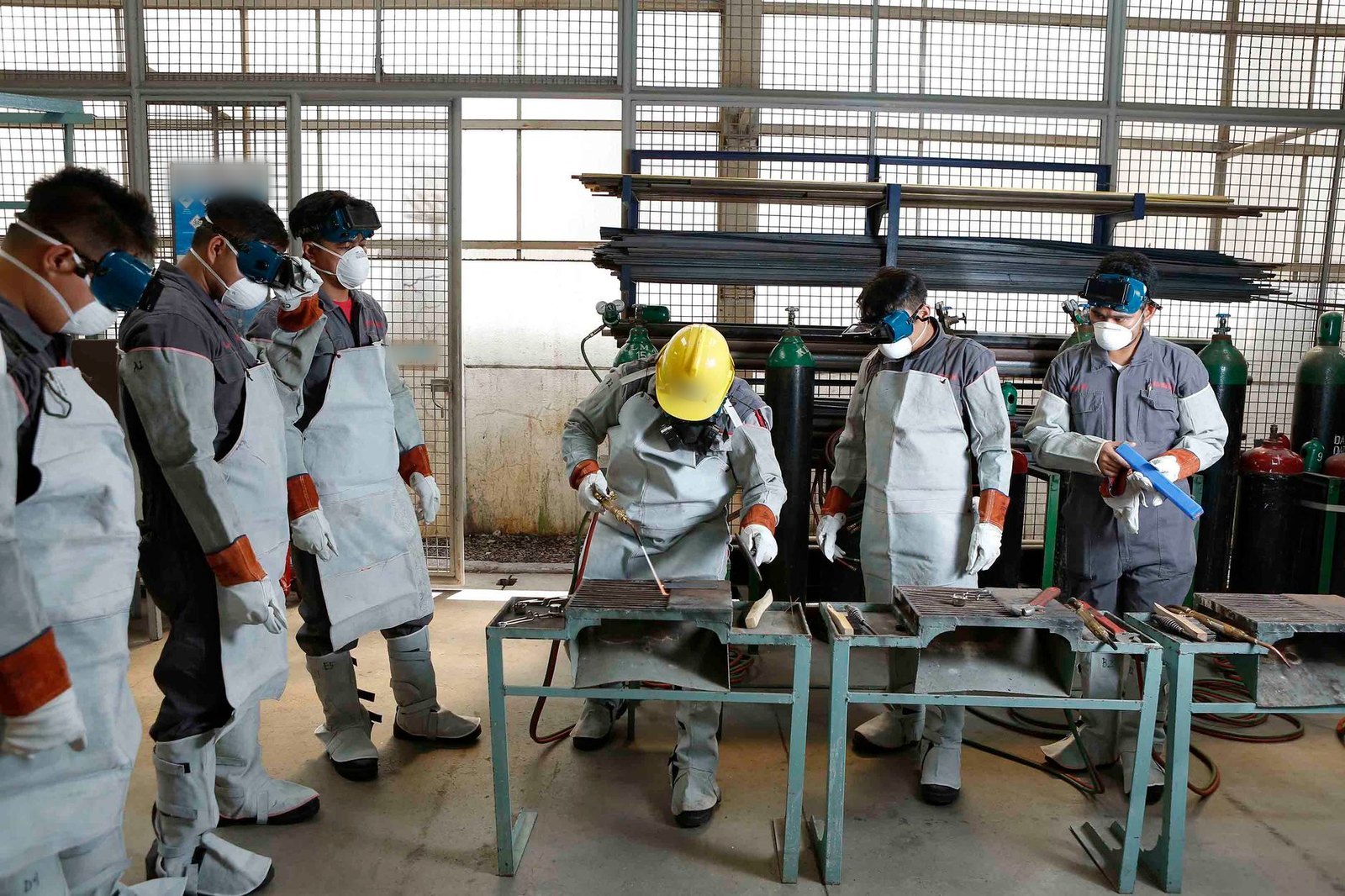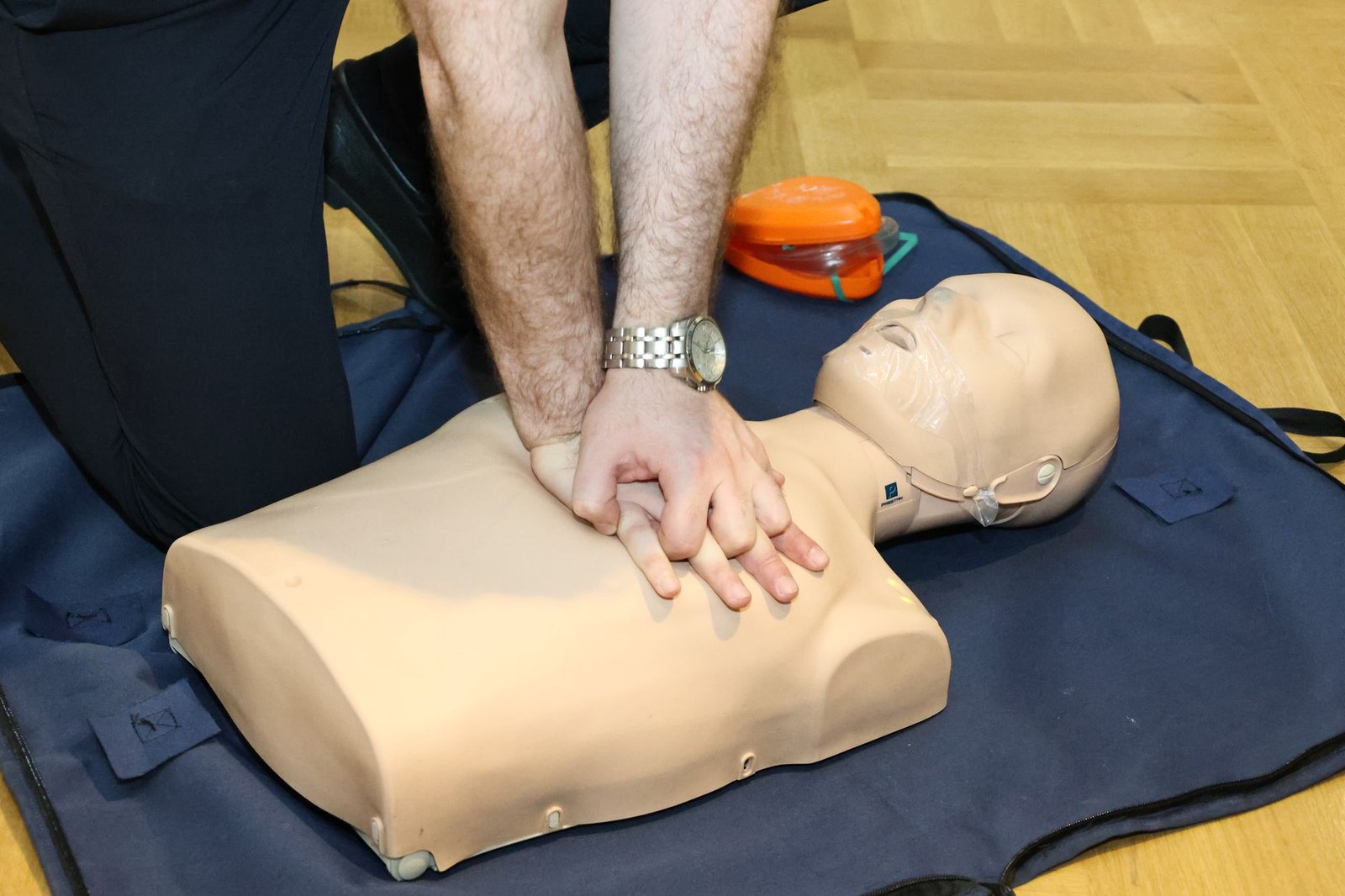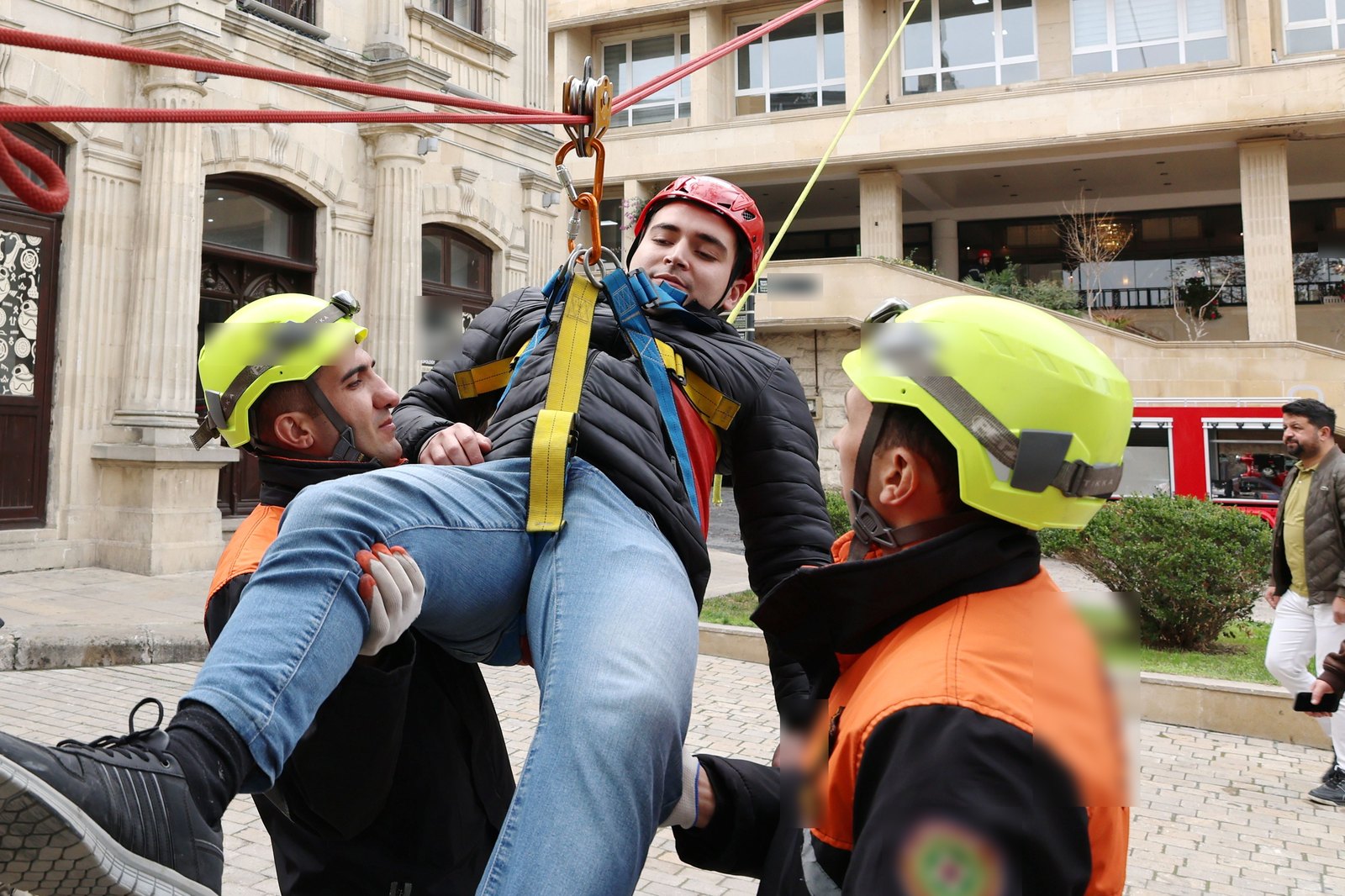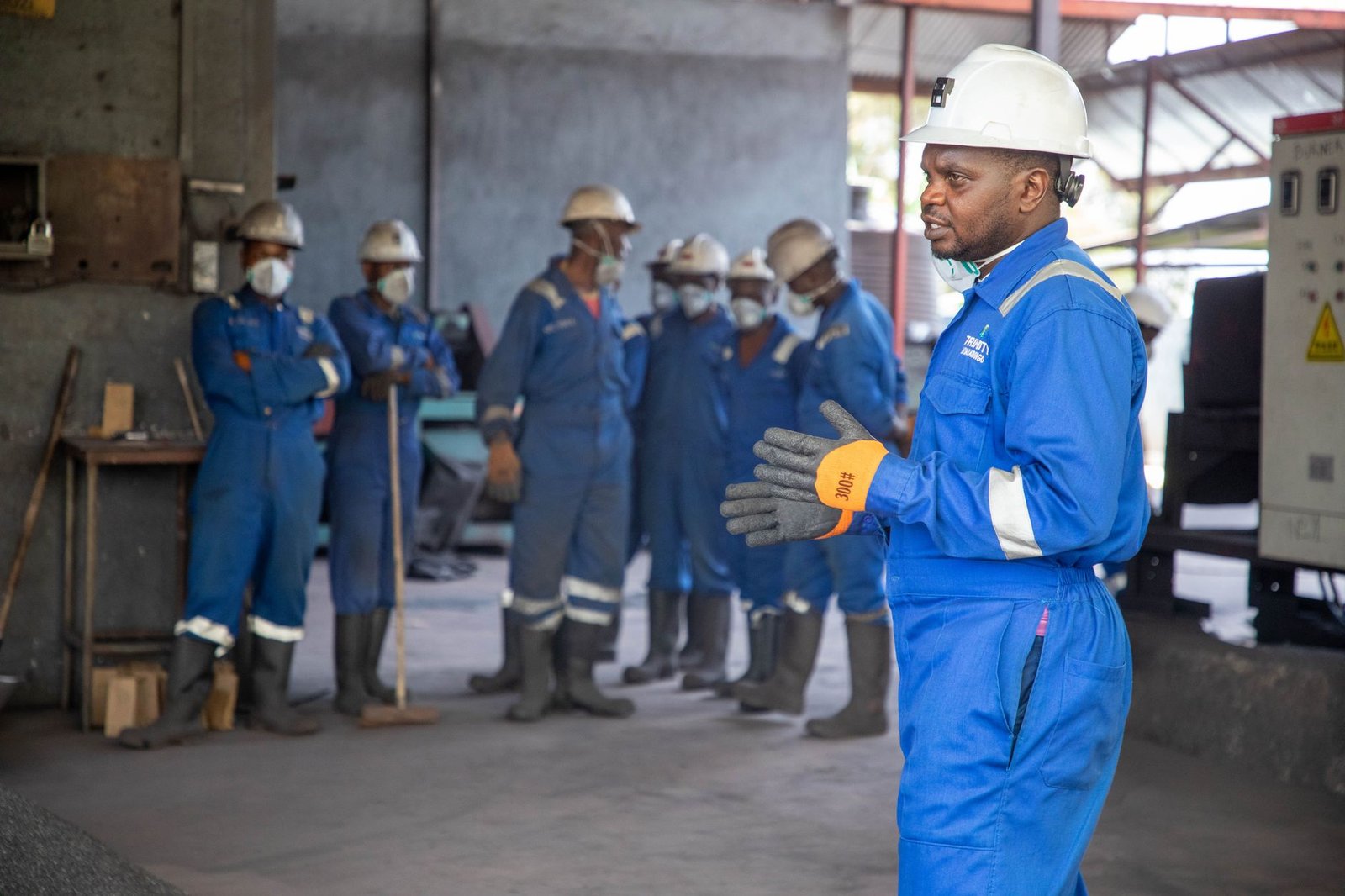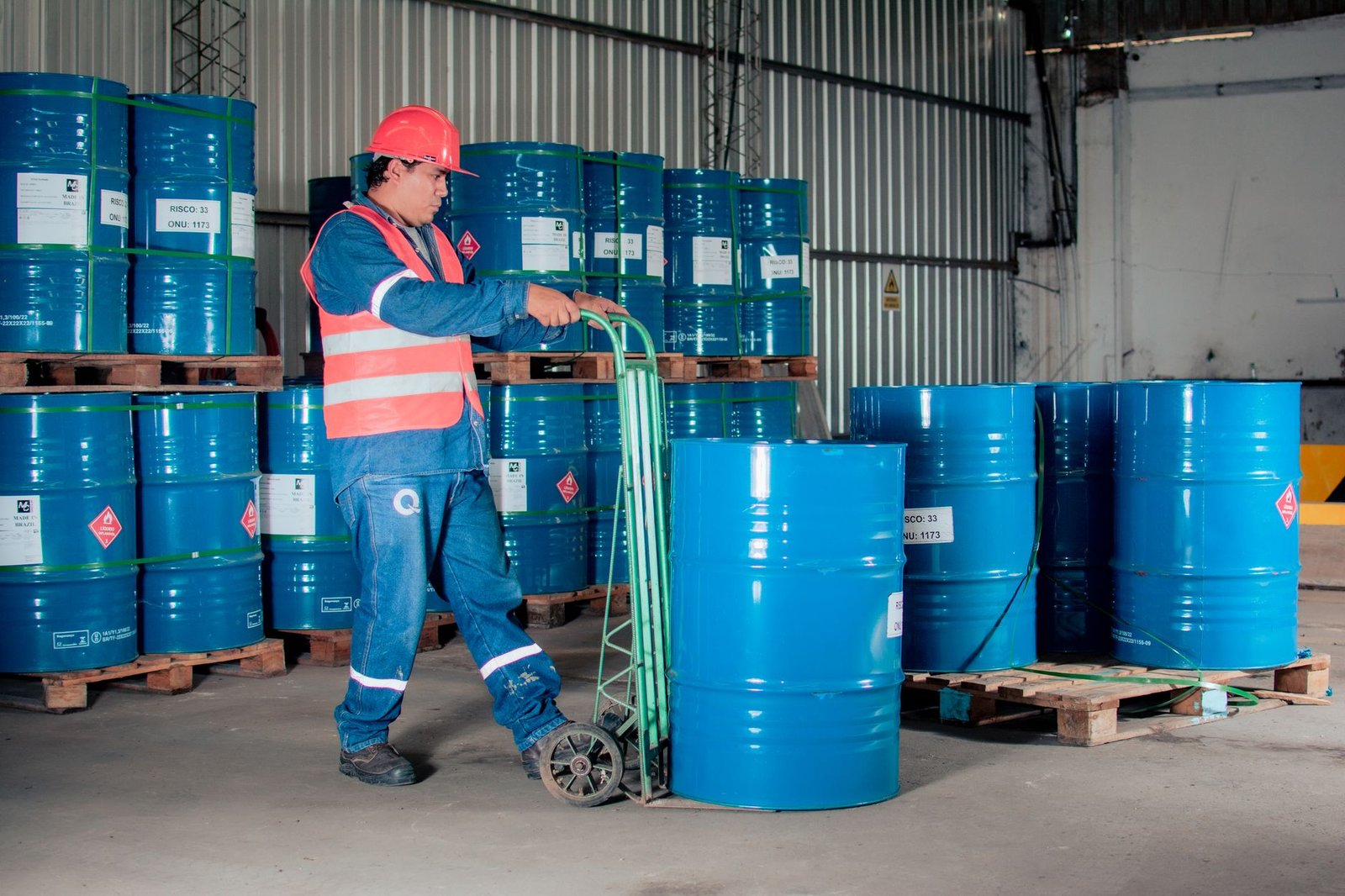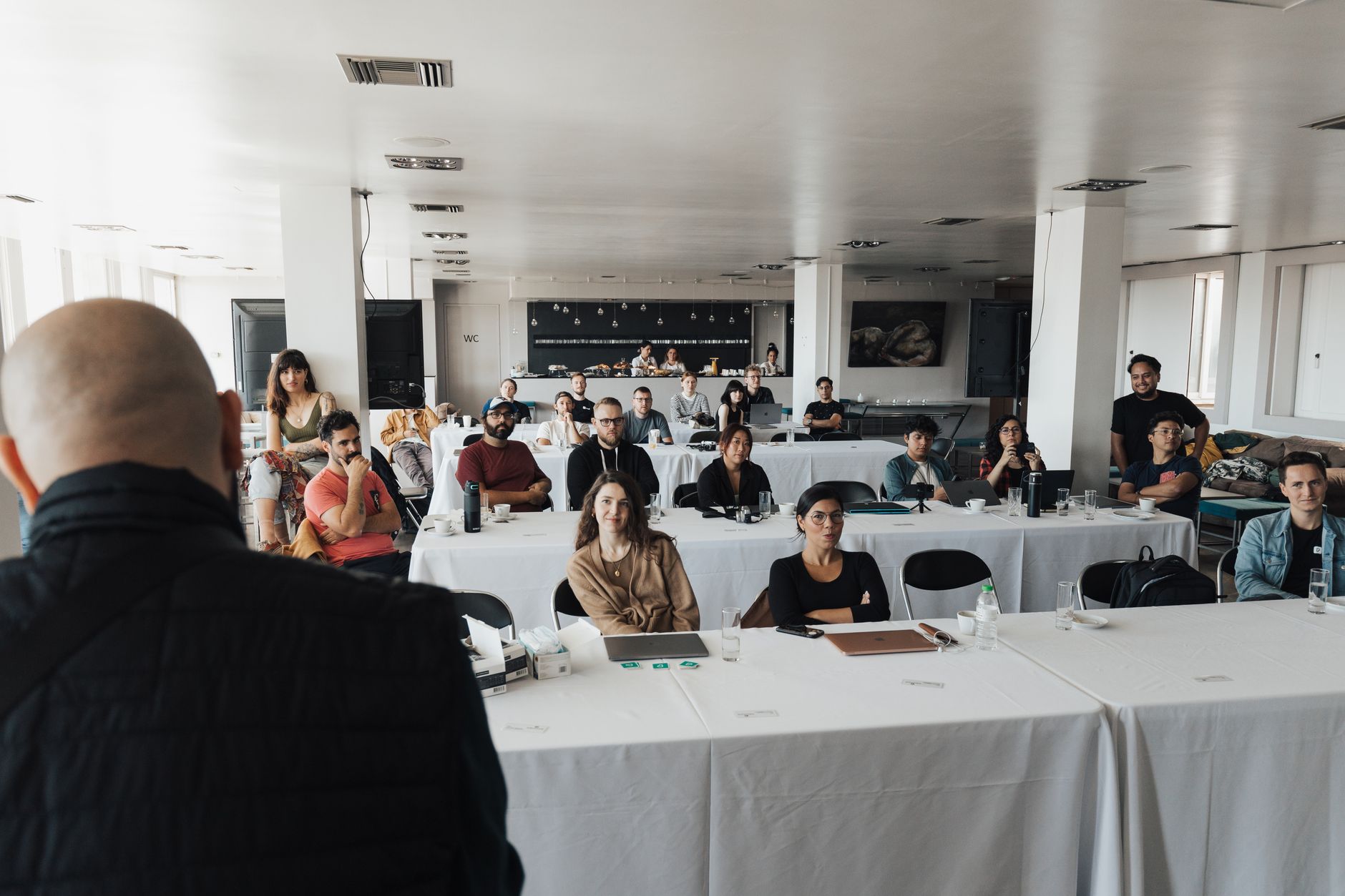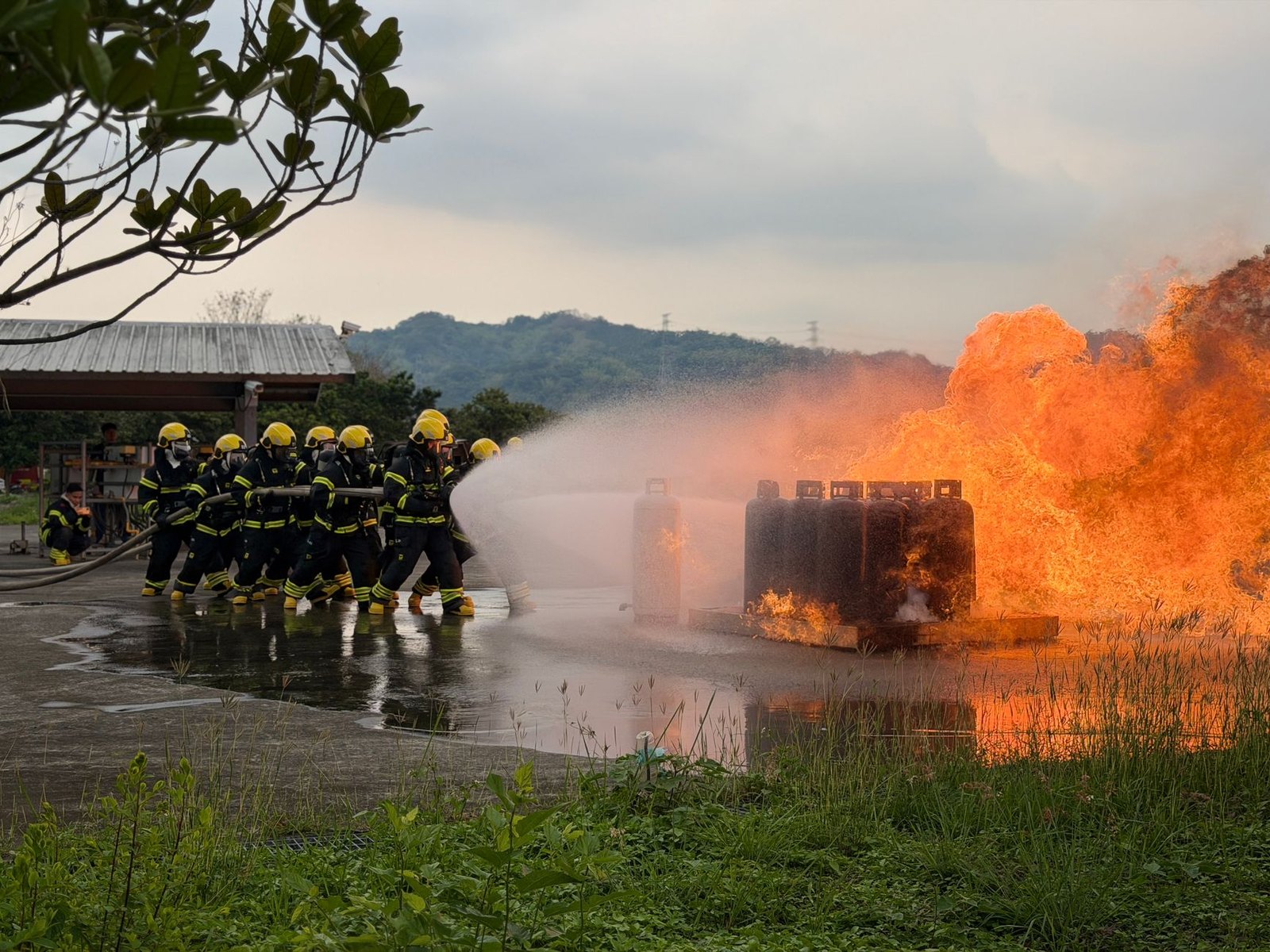
The course ends on a Friday. Everyone passed the quiz, the completion report shows 100%, and the team goes back to work. The procedure they learned may not be needed for weeks or months, and by then some of it is gone.
For teams where an error is not an option, knowledge retention after training is decided in that stretch after the course ends. Call it the decay window. Its shape is well studied, it can be measured on your own team, and an employer can step in before the knowledge is needed.
Table of Contents
- Why knowledge fades once the course ends
- How long skills last without practice
- What zero-fail teams lose first
- How to measure knowledge retention after training
- How to intercept the decay window
- Where Blank Slate fits
- Frequently Asked Questions
Why Knowledge Fades Once the Course Ends
The forgetting curve goes back to Hermann Ebbinghaus, who in the 1880s measured how quickly he forgot lists he had memorized. More than a century later, two University of Amsterdam researchers repeated the experiment. In the PLOS ONE replication (Murre & Dros, 2015), one subject spent 70 hours learning lists and relearning them after delays from 20 minutes to 31 days.
Their verdict: "The results are similar to Ebbinghaus' original data." The models they fit describe forgetting whose rate slows down as time passes.
One caution applies. This is one person learning lists of nonsense syllables in a lab, so the exact numbers do not transfer to a crew learning a procedure. What does transfer, in our reading, is the shape: forgetting runs fastest soon after learning, which puts much of the loss in the weeks after a course and well before most refreshers arrive.
How Long Skills Last Without Practice
Procedural skills have been studied at a much larger scale. A 2025 meta-analysis in Psychological Bulletin, "Procedural skill retention and decay", pooled 1,344 effect sizes from 457 reports on procedural skills involving motor components.
Its central finding: "half of initial skill acquisition performance gains were lost after approximately 6.5 months for accuracy." Losses grew steadily with time away from the task. Speed and mixed measures held up longer, at about 13 and 11 months. These are skills with a motor component, and recall of rules or steps may decay at a different rate.
The authors list task type, task complexity, intermittent opportunities to perform and task instructions as possible moderators. So the rate of decay may vary: in our reading, a skill people get to use now and then may fade differently from one that sits untouched. For an employer, the time scale matters most. Measurable loss shows up within months, and in our reading a yearly refresher arrives after a good share of it.
What Zero-Fail Teams Lose First
The knowledge most at risk is the knowledge people rarely use. On a hospital unit, a crew room or a security post, daily work keeps routine tasks fresh. The rare event gets no such practice:
- Emergency procedures that are trained once and needed without warning
- Rule changes introduced in a course and then rarely encountered on the job
- Equipment handled a few times a year, such as a rescue system or a seldom-used isolation point
- Thresholds and limits (exposure values, timing steps, reporting triggers) that people look up only when something is already going wrong
This list is our own summary, not a finding from the studies above. It is our reading of one possible moderator the meta-analysis names: knowledge with few chances to be used has little to slow its decay.
How to Measure Knowledge Retention After Training
Completion records show that a course happened. They cannot show what people still know six weeks later. The comparison with an LMS covers where each kind of record fits: the LMS keeps the completion record, and a retention measure adds what people can recall.
A simple way to see your own decay window is to ask the same questions again at set points after a course. The schedule below is our suggestion, not a protocol from either study:
| Checkpoint | What it shows | What to do with it |
|---|---|---|
| Last day of the course | What people learned, at its peak | Record it as the baseline |
| About 1 week later | The early drop, if any | Flag items most people already miss |
| About 1 month later | Which items are fading across the team | Start reinforcing those items |
| About 3 months later | What held without help | Compare against the baseline and the refresher date |
Three habits keep the numbers honest. Score the first attempt at each question, since a second try partly measures the feedback from the first. Keep the questions about the same items each time, worded so people recall the step, and do not announce the checks so nobody crams. A skills gap analysis helps pick which topics deserve a checkpoint schedule at all.
If you do not have a baseline yet, a Knowledge Gap Audit gives you a first picture of where the team stands today.
How to Intercept the Decay Window
Measuring the decay window is half the job. The other half is giving people a reason to recall the material before it fades.
Two techniques from memory science fit this window. Retrieval practice means answering from memory instead of rereading. Spaced repetition brings the material back at intervals instead of all at once. Combined, they are called spaced retrieval.
Applied to the window after a course, we suggest four steps (our own guidance, not tested by the studies above):
- Start within days of the course. If forgetting runs fastest early, as the curve's shape suggests, reinforcement that waits for the refresher starts too late.
- Ask, do not re-show. A short question makes people recall the procedure; a slide deck sent around again only shows it.
- Widen the gaps as people answer correctly. Items people know well come back less often; items they miss come back sooner.
- Keep the refresher. Required courses such as the HAZWOPER refresher stay on the calendar. Reinforcement covers the months between them.
How individuals hold on to learning is a related question with its own science. Adult learning retention looks at what helps experienced professionals in particular, from andragogy to retrieval practice with medical residents. Here the focus stays on the clock: what is lost after the course ends, and when. Reinforcement during ordinary shifts, through short practice and supervisor check-ins, is covered in knowledge retention in the workplace.
Where Blank Slate Fits
Blank Slate is a cognitive-readiness platform built on AI-optimized spaced retrieval. It works on top of the training content an organization already has. People answer questions in short (about 60-second) sessions, three or four times a week, adding up to a few minutes a week. Its True Knowledge Level™ shows what a person or team knows right now.
The evidence starts in the classroom. In a four-week randomized controlled trial with university and college students, the group that did no review saw its scores fall, from 40 to 34 out of 60 questions (McHugh et al., 2021, Education Sciences). Students using Blank Slate matched daily review's retention in about one-third of the study time.
Blank Slate has also been tested in a training pipeline. In a study of US Air Force pararescue trainees using Blank Slate, presented at I/ITSEC 2023, accuracy on the app's questions rose from 67% to 81% over 16 weeks, with trainees averaging about 100 seconds of use a week.
And it has been tested with a working security team. In a year-long case study of 70 data-center security guards presented at MODSIM World 2025, the guards who started below the team's median went from about 56% to over 90% accuracy. They used three sessions a week, six questions each.
The classroom trial measured retention over four weeks; the other two reported accuracy gains on the app's questions. Blank Slate does not replace required training, a refresher course or hands-on practice. It reinforces and measures what people retain between them, and the how it works page shows the setup.
Frequently Asked Questions
How fast do people forget what a course taught them?
Faster at first, then more slowly. The 2015 PLOS ONE replication of Ebbinghaus found forgetting whose rate slows with time. For procedural skills, a 2025 Psychological Bulletin meta-analysis found half of the accuracy gains were lost after about 6.5 months without use.
How do you measure knowledge retention after training?
Record first-attempt answers on the last day of the course, then ask the same items again after about a week, a month and three months. The drop from the baseline is your decay window. Completion records in the LMS cannot show this, because they record completion, not recall.
Is an annual refresher enough to keep knowledge current?
Usually not by itself, in our reading of the decay data. Much of the loss happens in the months before a yearly refresher arrives. Keep required refreshers, and add short recall practice between them so the team is ready on the day knowledge is needed.
Which knowledge fades fastest on frontline teams?
In our reading, the knowledge people rarely get to use: emergency procedures, recent rule changes and seldom-used equipment. The 2025 meta-analysis lists intermittent opportunities to perform as a possible moderator of skill decay, which is why we would watch rarely used procedures most closely.
The course ends on a known date. The day the knowledge is needed does not. A Knowledge Gap Audit is free: your team answers a short assessment in the browser, and you get a one-page readiness snapshot of what is retained, what is slipping, and where to reinforce first.