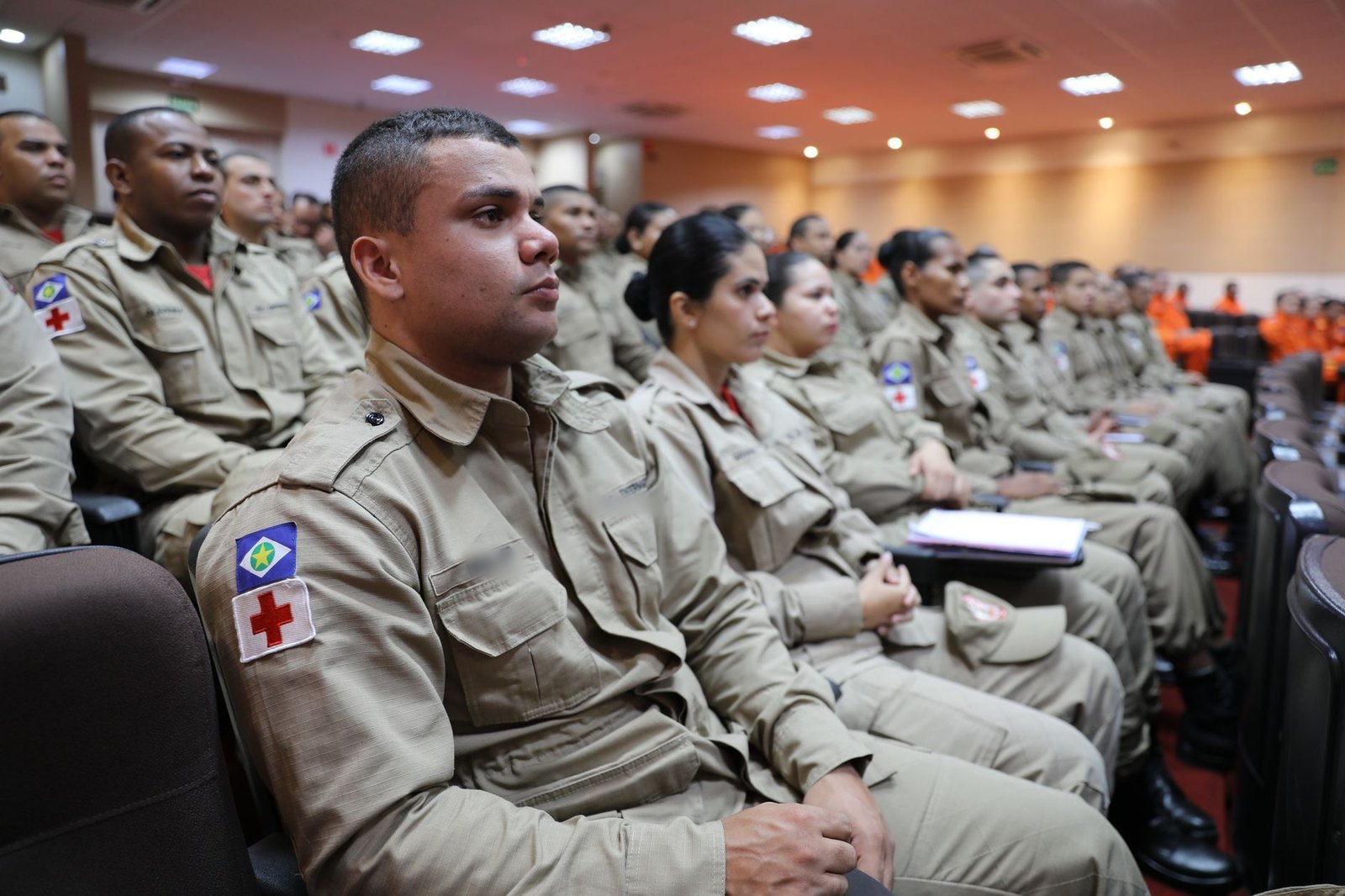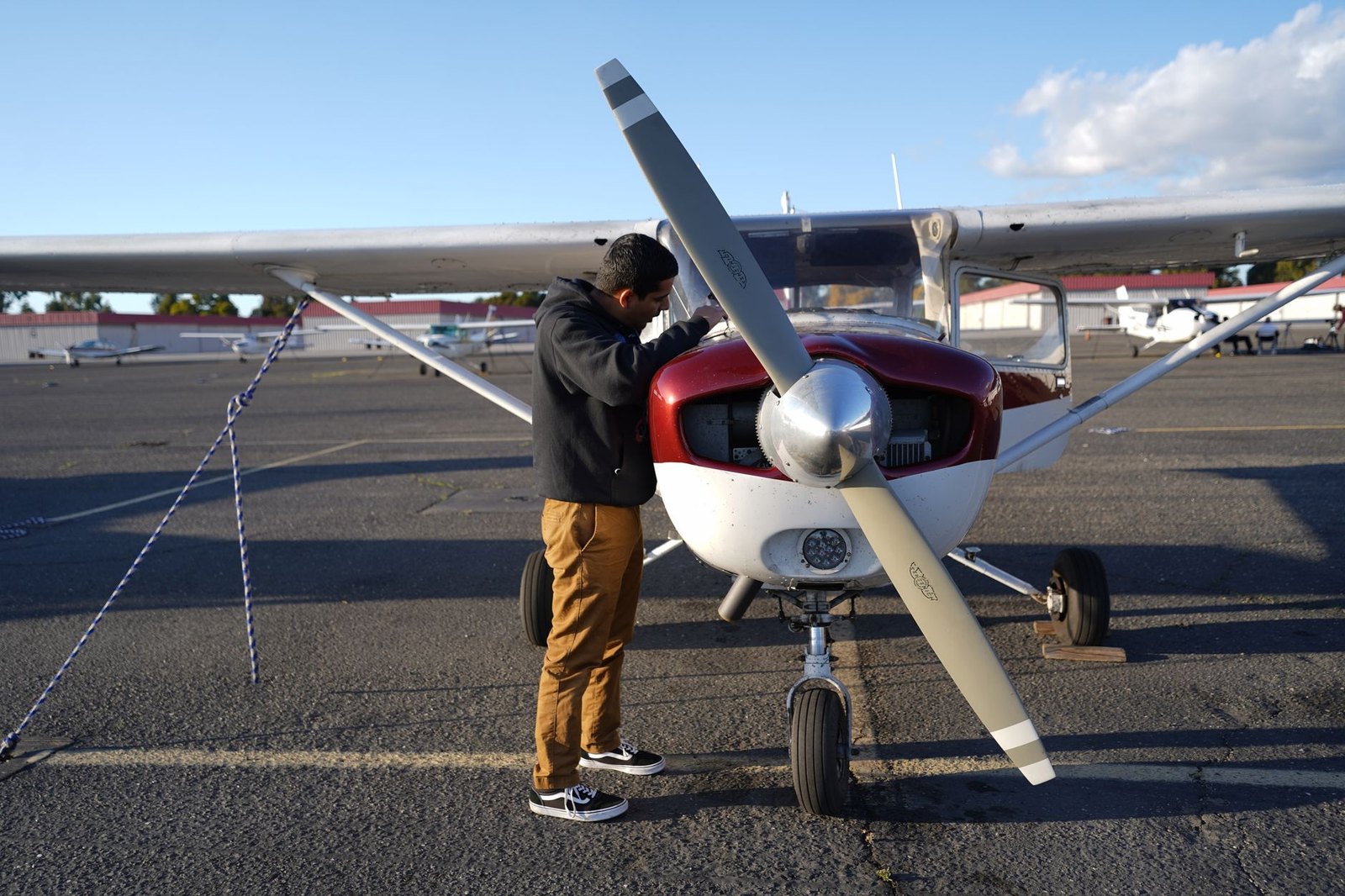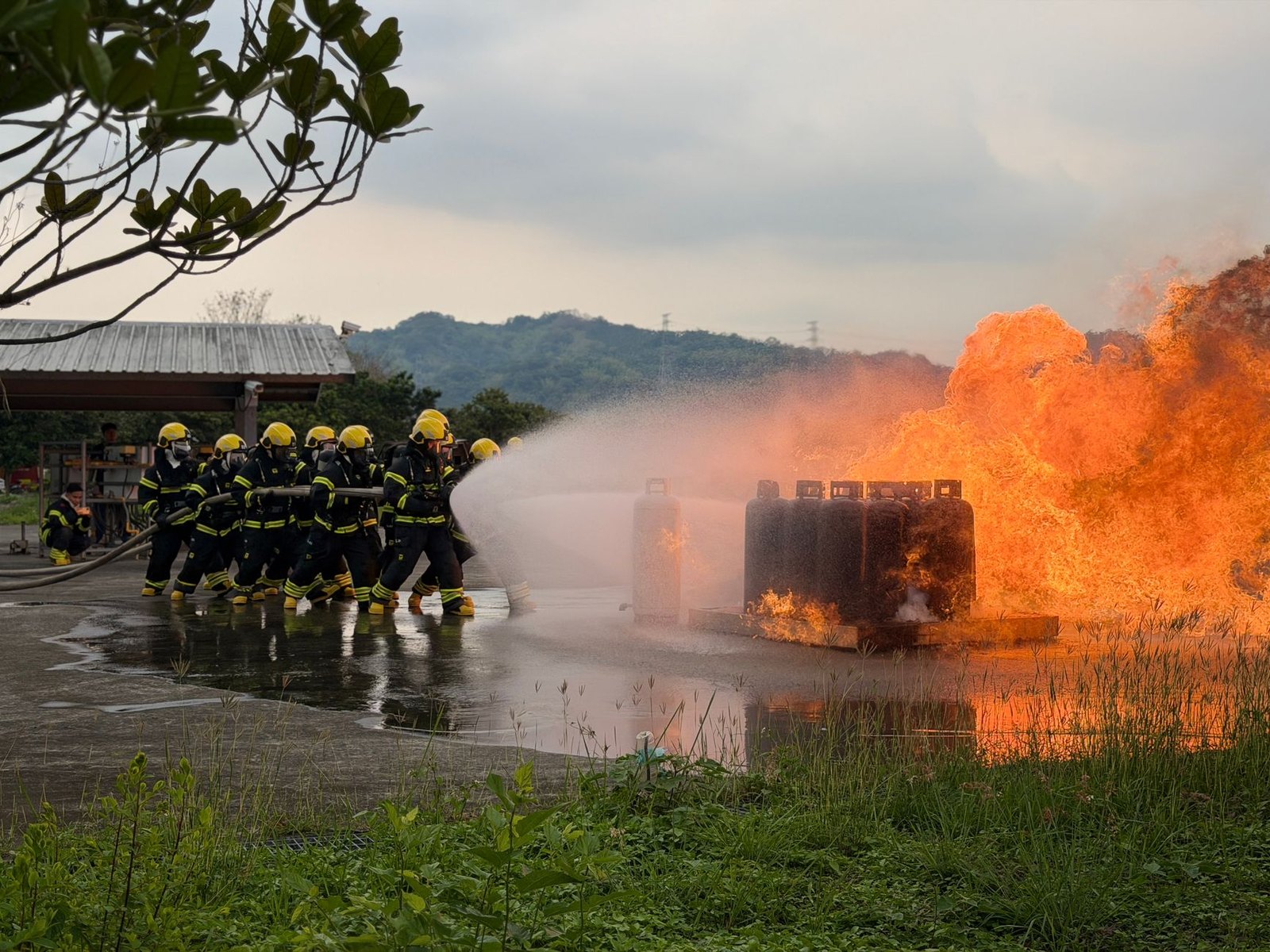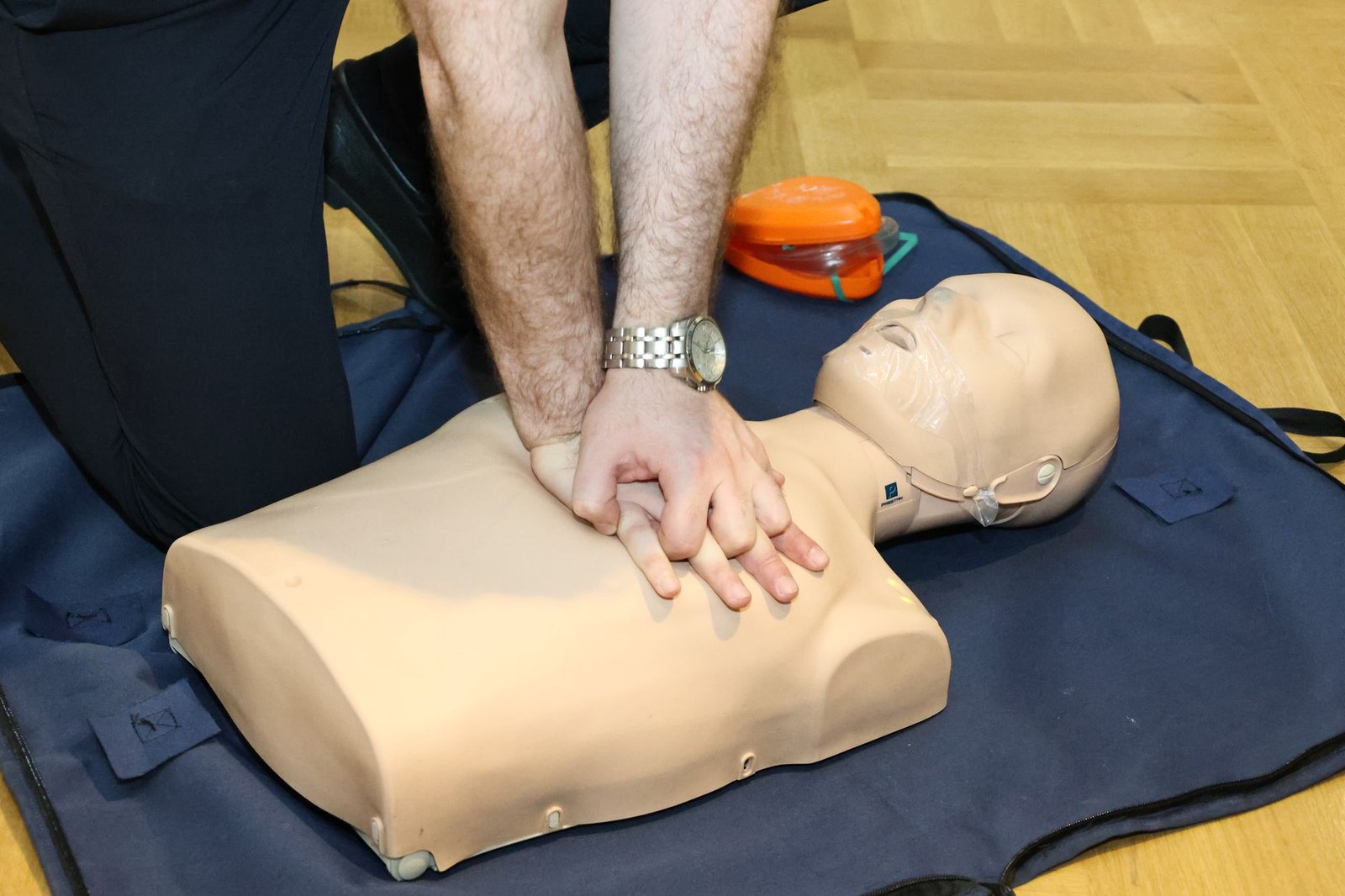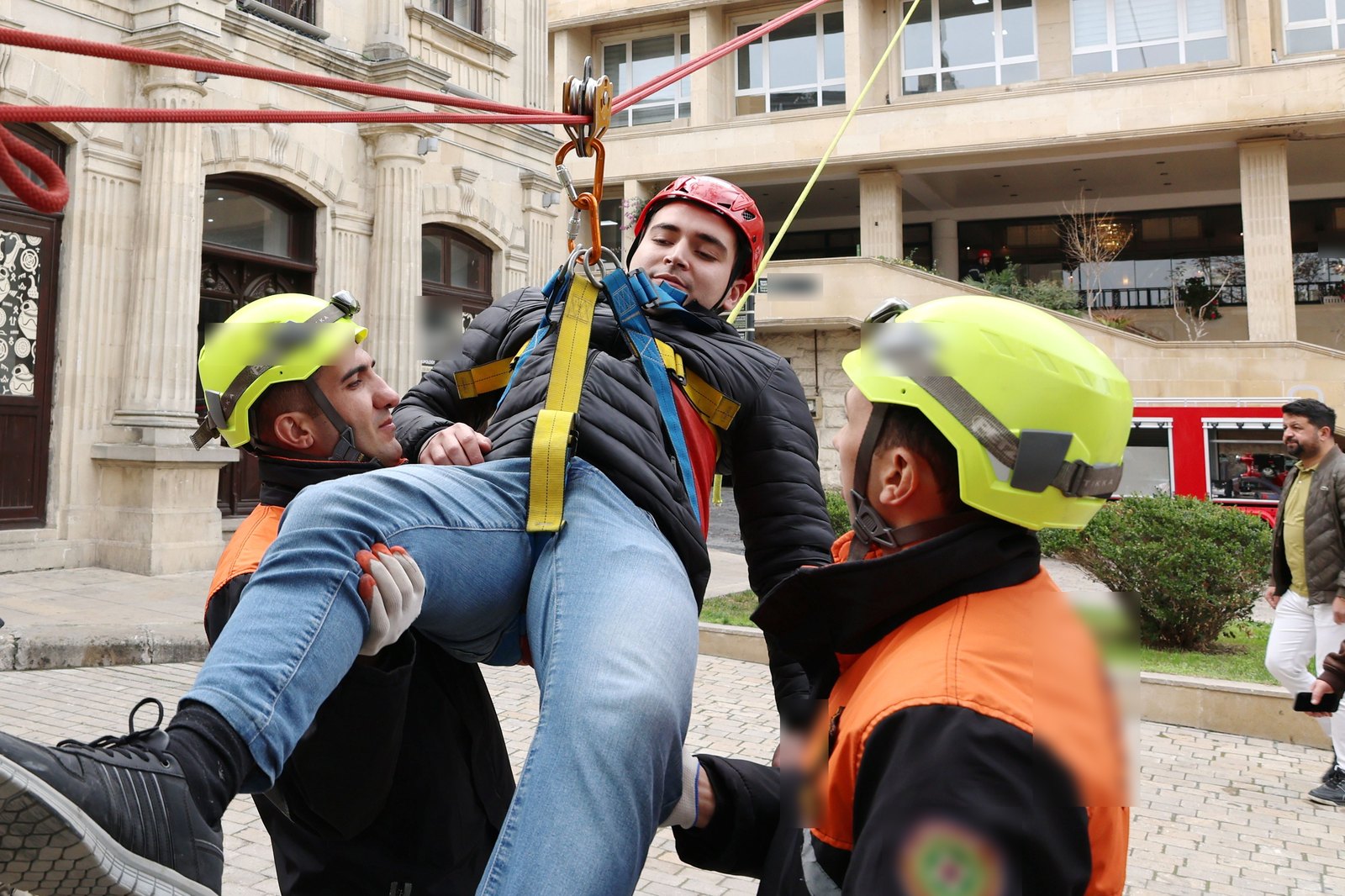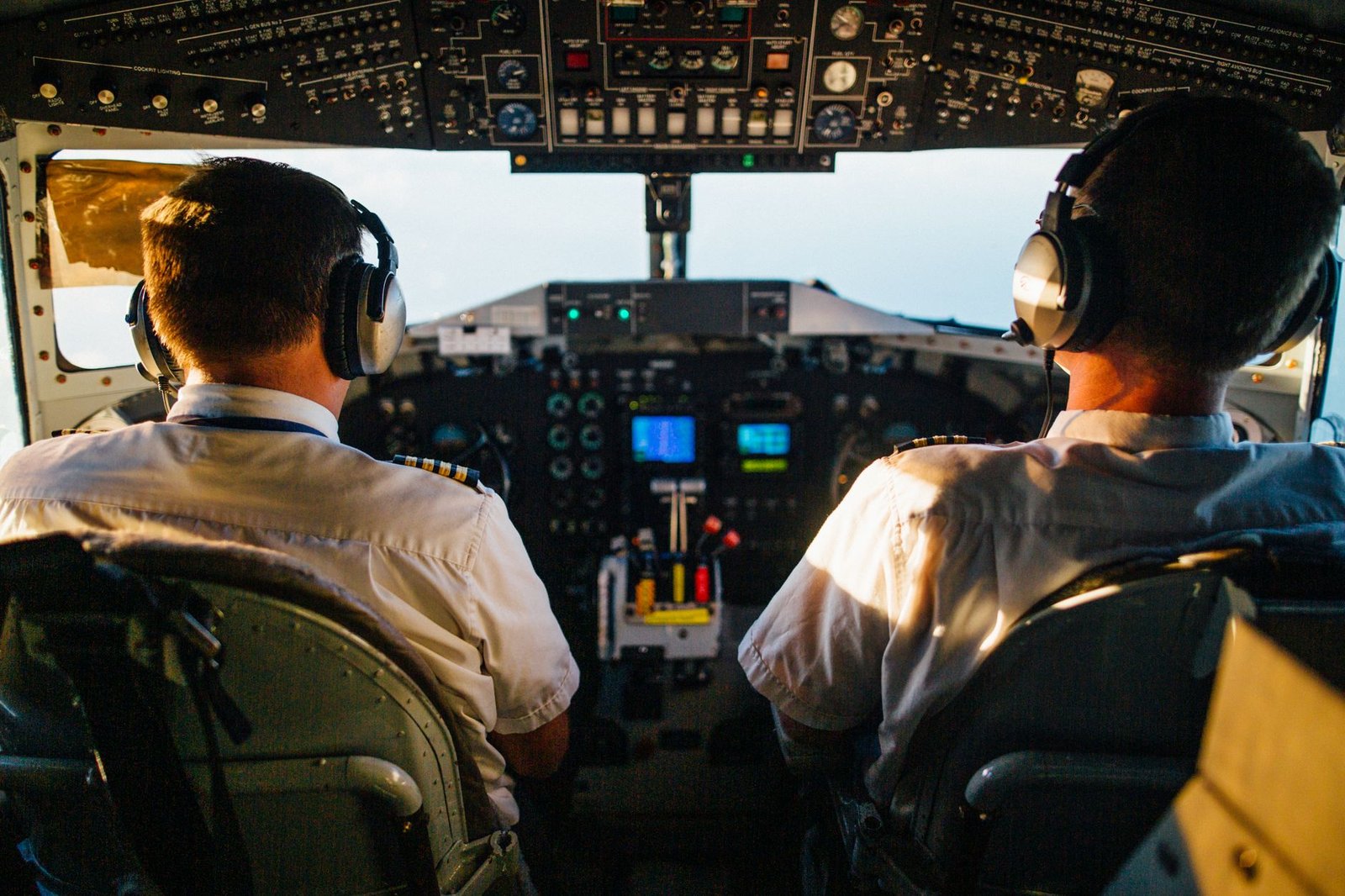
Every flightcrew member, flight attendant and dispatcher at a US airline completes crew resource management training before working a trip. The harder question for a training department is what those crews still apply a year later. The researchers who shaped CRM documented the problem: acceptance of its basic concepts "may decay over time," even with recurrent training.
Table of Contents
- What crew resource management training is
- Where CRM came from
- Five generations of crew resource management
- What FAA rules require
- The three components in AC 120-51E
- Why CRM knowledge fades between sessions
- Keeping CRM knowledge ready
- What this means for your CRM program
- Frequently Asked Questions
What Crew Resource Management Training Is
The FAA's advisory circular on the subject defines it plainly: "CRM refers to the effective use of all available resources: human resources, hardware, and information." In practice, that means the people on the flight deck, the people they work with, the aircraft systems and the information in front of them.
CRM training teaches crews to use those resources together. The FAA groups the target behaviors into clusters such as communications processes and decision behavior, team building and maintenance, and workload management and situation awareness.
It reaches past the cockpit. The same guidance names other groups as essential participants: aircraft dispatchers, flight attendants, maintenance personnel and air traffic controllers. A captain's decision often depends on what a dispatcher flagged or what a flight attendant reported from the cabin.
Where CRM Came From
CRM started with accident research. In their history of the field, Robert Helmreich, Ashleigh Merritt and John Wilhelm trace it to a 1979 NASA workshop, "Resource Management on the Flightdeck" (Helmreich, Merritt & Wilhelm, International Journal of Aviation Psychology, 1999).
The research presented there "identified the human error aspects of the majority of air crashes." The authors describe those errors "as failures of interpersonal communications, decision making, and leadership." Training built to reduce them was first labeled Cockpit Resource Management, aimed at reducing "pilot error."
The name changed as the scope grew. The second generation brought "a change in name from Cockpit to Crew Resource Management," as courses turned to group dynamics and became more team oriented.
Five Generations of Crew Resource Management
Helmreich and colleagues describe five generations, each a response to the limits of the one before. The table is the article's own summary of their account.
| Generation | Focus | What changed |
|---|---|---|
| First: Cockpit Resource Management | Psychology and interpersonal style | Courses leaned on psychological testing and general strategies, without clear definitions of appropriate cockpit behavior |
| Second: Crew Resource Management | Team concepts | Courses became more modular and more team oriented |
| Third: Broadening the scope | Beyond the flight deck | Training extended to other airline groups such as flight attendants, dispatchers and maintenance personnel, which may have diluted the original focus on human error |
| Fourth: Integration and proceduralization | Training and qualification | The FAA introduced the voluntary Advanced Qualification Program in 1990; carriers in it had to integrate CRM concepts into technical training |
| Fifth: Error management | A universal rationale | CRM justified as error management, on the premise that human error is ubiquitous and inevitable |
The authors argue that "the overarching justification for CRM should be error management." The premise, in their words, is that "human error is ubiquitous and inevitable." CRM behaviors serve as countermeasures "employed to avoid error, to trap errors committed, and to mitigate the consequences of error."
What FAA Rules Require
For US airlines, crew resource management is a regulatory requirement. The core rule is 14 CFR 121.404, Crew and dispatcher resource management training. It reads: "No certificate holder may use a person as a flightcrew member, flight attendant, or aircraft dispatcher" unless that person has completed approved CRM or dispatcher resource management (DRM) initial training. That training may be completed "with that certificate holder or with another certificate holder."
Recurrent training carries it forward. Under 14 CFR 121.427(b)(4), recurrent training includes, "For crewmembers, CRM training and for aircraft dispatchers, DRM training." The same paragraph allows CRM training for flightcrew members, or portions of it, to be accomplished during an approved full flight simulator line-oriented flight training (LOFT) session.
Advanced Qualification Programs work differently. A carrier with an approved AQP under Part 121 subpart Y complies with its AQP instead of the corresponding provisions of Part 121. Under 14 CFR 121.903(b), any applicable requirement not specifically addressed in the AQP continues to apply.
Part 135 operators have their own rule. Under 14 CFR 135.330, each certificate holder must have an approved CRM training program with initial and recurrent training. Flightcrew members and flight attendants need the initial training before the operator can use them. The program must cover at least:
- authority of the pilot in command
- communication processes, decisions and coordination, including communication with air traffic control, flight-locating and other operational personnel, and passengers
- building and maintenance of a flight team
- workload and time management
- situational awareness
- effects of fatigue on performance, avoidance strategies and countermeasures
- effects of stress and stress reduction strategies
- aeronautical decision-making and judgment training tailored to the operator's flight operations
The Three Components in AC 120-51E
The FAA's main guidance is Advisory Circular 120-51E, Crew Resource Management Training, issued in 2004. It is guidance. The AC states that compliance "is not mandatory" and presents "one way, but not necessarily the only way" to address CRM training.
It describes three components and says they are not a fixed sequence of phases; ideally, each is renewed at every stage of training:
- Initial indoctrination and awareness. Classroom presentation of the concepts, terms and behaviors.
- Recurrent practice and feedback. Exercises such as LOFT, where crews practice the skills and get feedback on how they performed.
- Continuing reinforcement. CRM embedded in every stage of training and operations, so the concepts never sit untouched for long.
The AC also asks for evidence. "It is vital that each training program be assessed to determine if CRM training is achieving its goals," it says, and it recommends measuring before and after training. A common framework for that kind of assessment is the Kirkpatrick Model's four levels of training evaluation.
Why CRM Knowledge Fades Between Sessions
The third component exists because the first one wears off. AC 120-51E warns that without recurrent reinforcement, "improvements in attitudes observed after initial indoctrination tend to disappear." Its section on continuing reinforcement is blunt: "one-time exposures are simply not sufficient."
The research history says the same. Helmreich and colleagues write that "CRM training should not be a single experience in a pilot's career." They report that CRM training "that includes LOFT and recurrent training does produce desired changes in behavior." They also describe "a slippage in acceptance of basic concepts, even with recurrent training."
That slippage is the gap a training department owns. Recurrent sessions are spaced months apart. In between, a first officer, a flight attendant and a dispatcher each work with the concepts unevenly, and some rarely face the situations CRM was built for. A training needs assessment can show which roles and topics carry the biggest gaps before the next recurrent cycle.
Keeping CRM Knowledge Ready
Blank Slate is built for the time between training sessions. It is a cognitive-readiness platform built on AI-optimized spaced retrieval. Spaced retrieval combines spaced repetition (reviewing material over time) with retrieval practice (answering from memory instead of rereading).
Blank Slate works on top of the training content your organization already has. Crew members answer questions in short sessions (about 60 seconds), 3-4 times a week, adding up to a few minutes a week. True Knowledge Level™, Blank Slate's real-time readiness metric, shows what a person or team knows now. The how it works page shows the setup.
The evidence starts in the classroom. In a randomized trial with university students, Blank Slate's spaced retrieval matched daily review's retention in about one-third of the study time (McHugh et al., 2021). In operational aviation, a 16-month study of 37 qualified F-16 and C-17 pilots using Blank Slate found first-attempt accuracy on operational knowledge questions rising from 66.9% to 81.4%, a 21.6% relative improvement (Smith & Randolph, I/ITSEC 2026). Median sessions ran about 3 minutes, and 18 of the 19 pilots who completed the exit survey wanted to keep using the app.
That study measured operational knowledge, not CRM behavior. It shows that fully qualified pilots carried measurable knowledge gaps, and that short, spaced sessions raised their accuracy.
Blank Slate does not replace CRM training. It does not deliver approved initial or recurrent CRM or DRM training, LOFT, or the observed practice and feedback AC 120-51E describes. It reinforces and measures what crews retain between those sessions, and it coexists with your LMS, which records completion while Blank Slate shows retention (see the difference).
What This Means for Your CRM Program
Your records already prove that crews completed initial and recurrent CRM training. The FAA's own guidance asks for more: continuing reinforcement and an assessment of whether the program is working. Both are easy to leave to the next recurrent session.
Start by checking what your crews can recall today about the concepts your CRM curriculum teaches, the way a skills gap analysis would. Include the groups AC 120-51E calls essential participants, such as dispatchers and flight attendants, as well as the flight deck. See how Blank Slate supports aviation teams, or begin by checking what your crews know today, before the next recurrent session.
Frequently Asked Questions
Is crew resource management training required by the FAA?
Yes, for airlines and Part 135 operators. 14 CFR 121.404 bars a Part 121 carrier from using a flightcrew member, flight attendant or dispatcher without approved CRM or DRM initial training. Carriers with an approved Advanced Qualification Program follow their AQP instead of the corresponding Part 121 provisions. 14 CFR 135.330 requires Part 135 operators to have an approved CRM program with initial and recurrent training.
Is AC 120-51E mandatory?
No. Advisory Circular 120-51E is FAA guidance, and it states that compliance is not mandatory. It presents one way to address CRM training, built on three components: initial indoctrination and awareness, recurrent practice and feedback, and continuing reinforcement. The binding requirements sit in the regulations themselves.
Which crew members besides pilots need CRM?
Under 14 CFR 121.404, flight attendants and aircraft dispatchers need approved resource management training too, with dispatchers taking DRM. AC 120-51E also names maintenance personnel and air traffic controllers as essential participants, because cockpit decisions depend on the people who work with the crew.
Why does CRM need recurrent practice?
Because the gains fade. AC 120-51E says attitude improvements after initial training tend to disappear without reinforcement, and that one-time exposures are not sufficient. An LMS records each session, and Blank Slate can reinforce and measure what crews retain between recurrent sessions.
Crew resource management training is recorded in your training files and put to use on every flight. For your pilots, flight attendants and dispatchers, a Knowledge Gap Audit shows what the team knows today, where gaps may exist and where to focus first, before a line check or an event finds the gap.