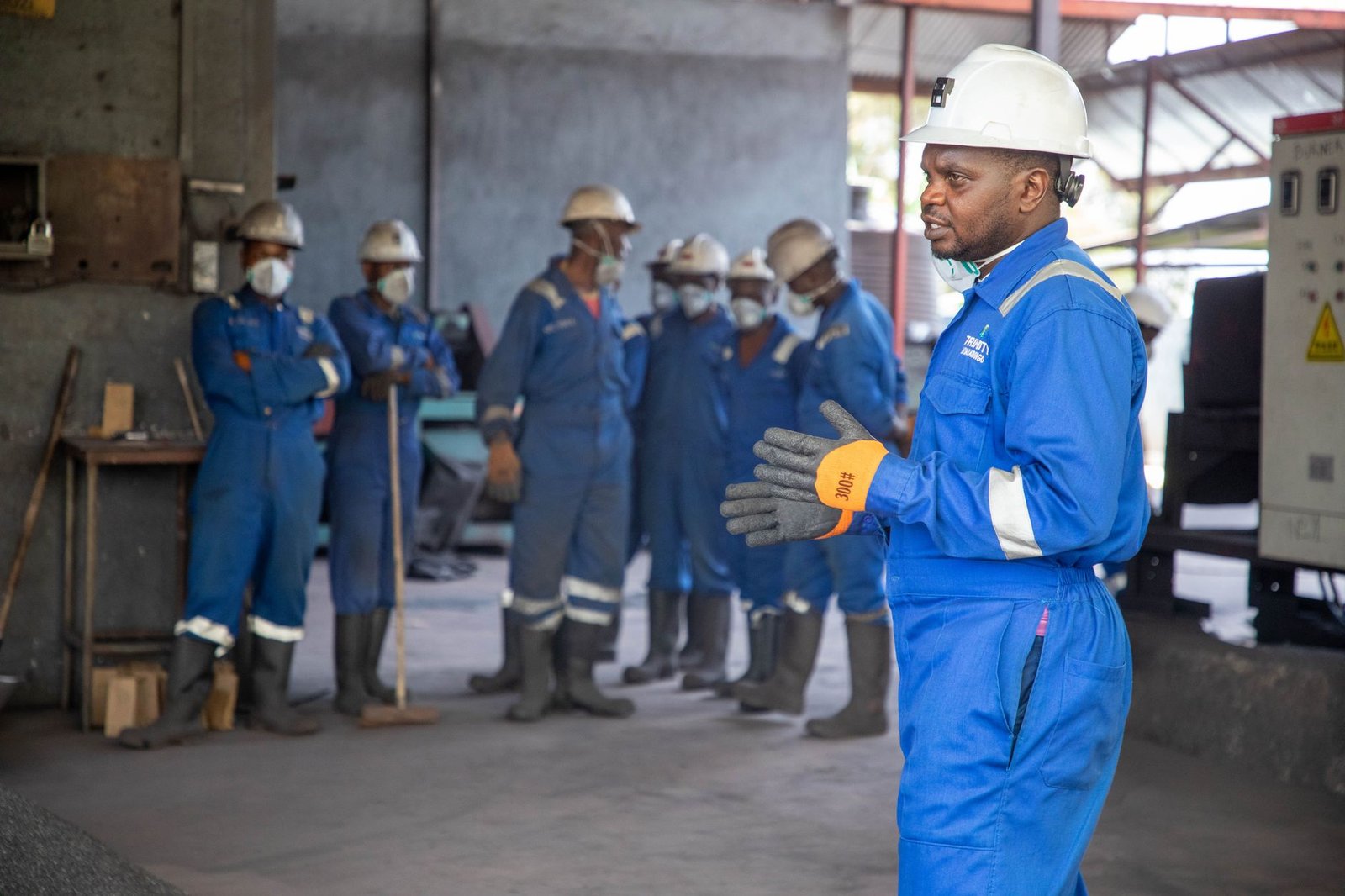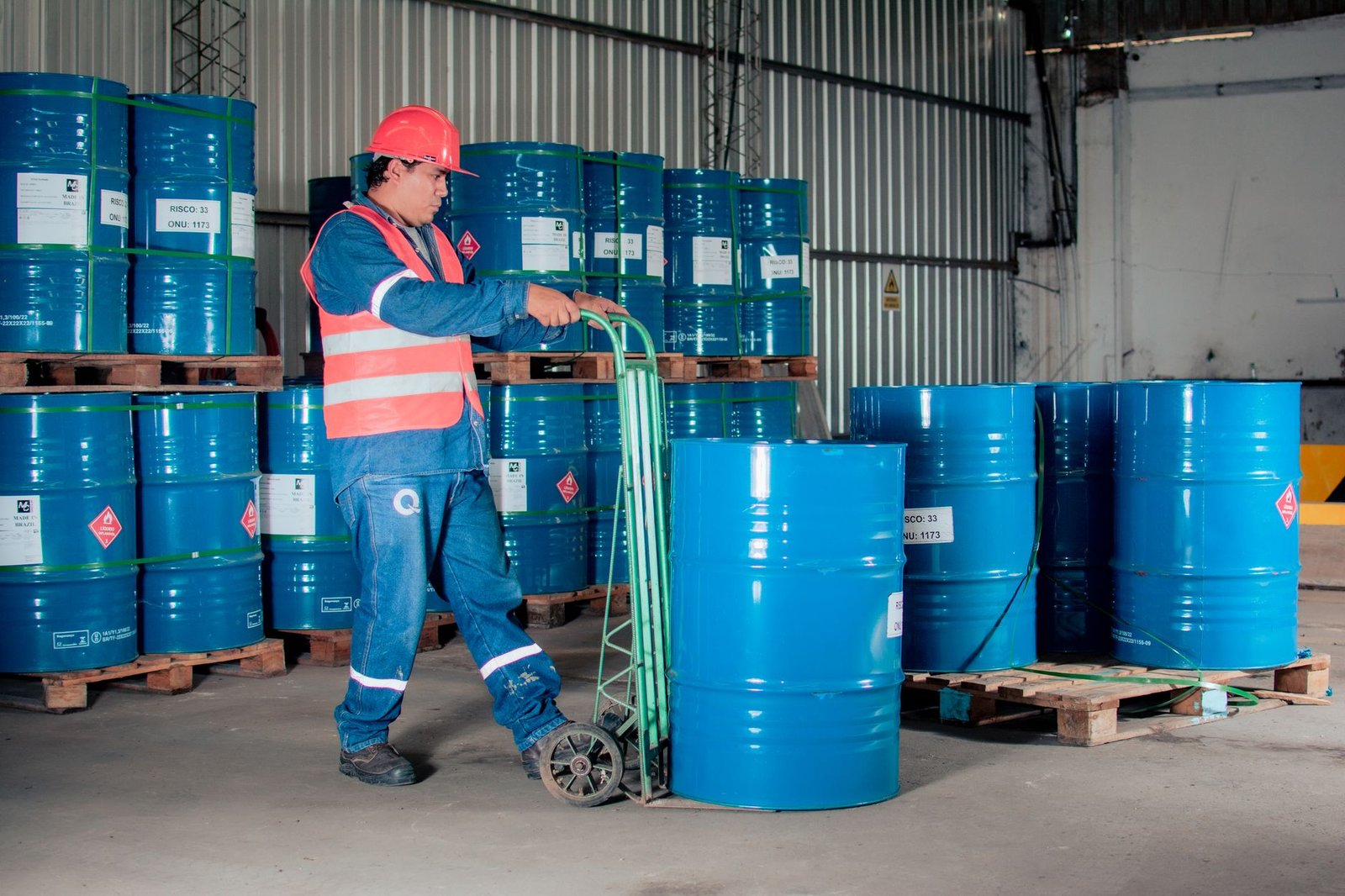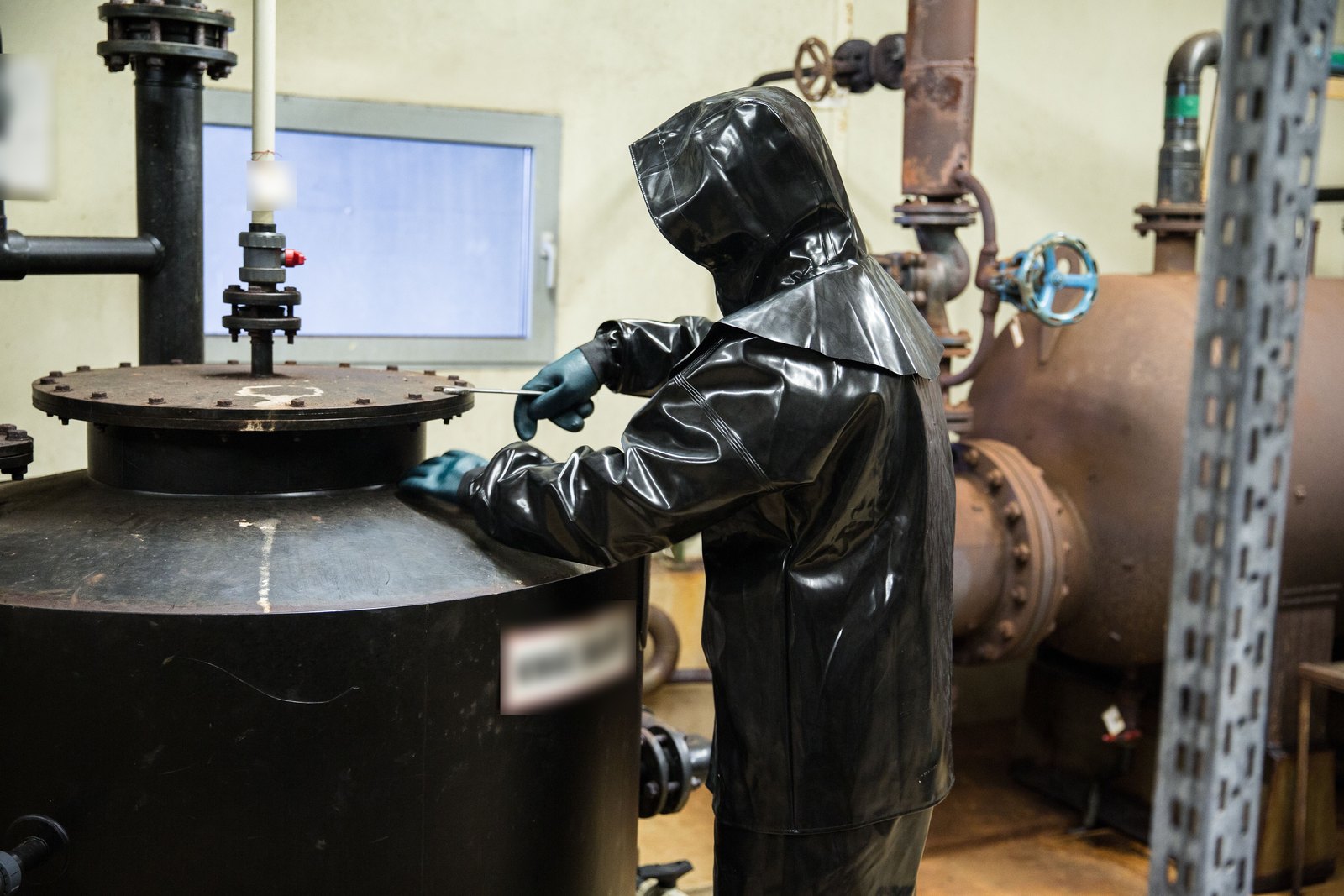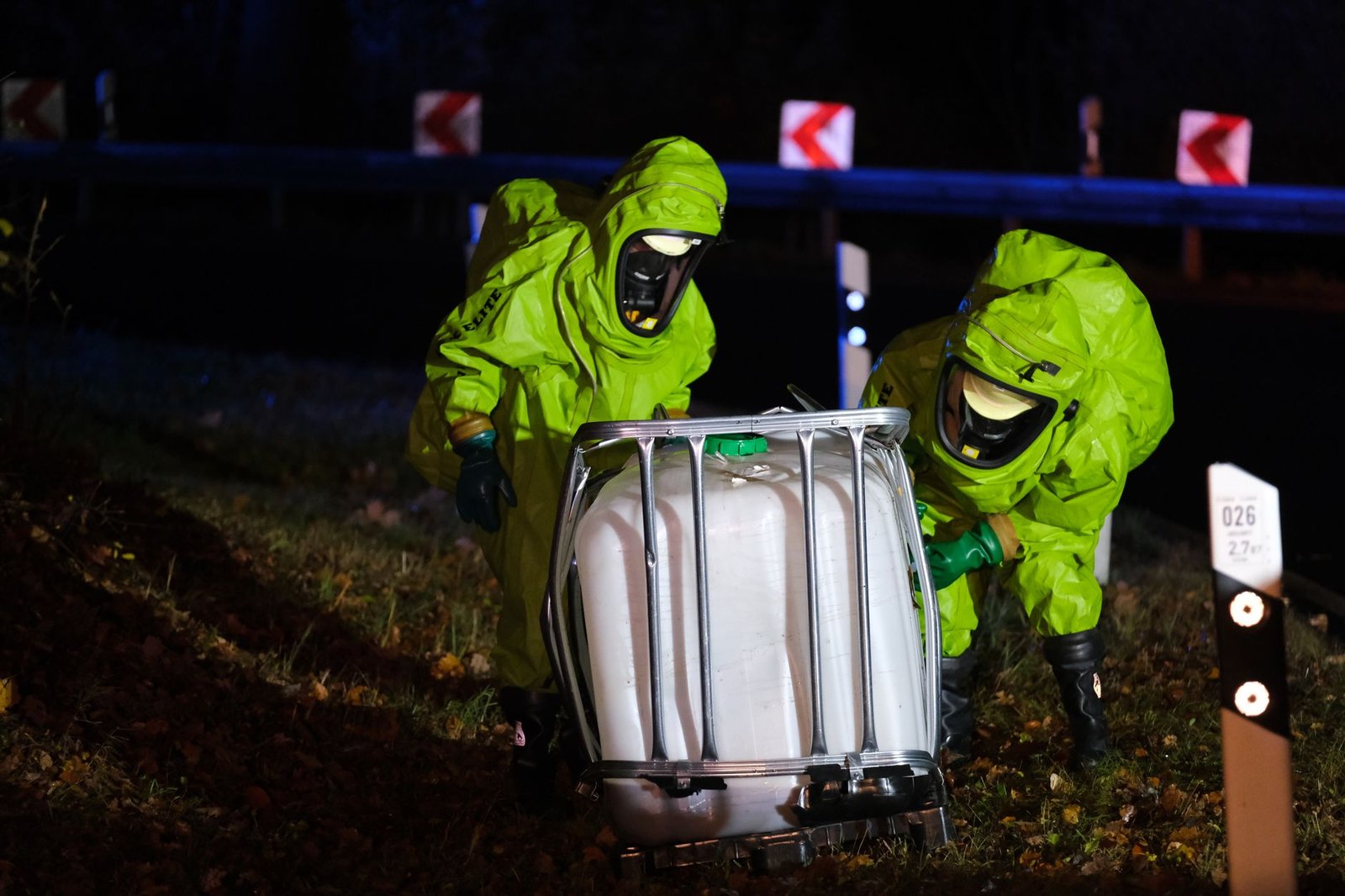
A worker can finish 40 hours of HAZWOPER training in a week and still hesitate on the decontamination sequence six months later. The certificate stays on file. The memory behind it does not stay put.
For employers, HAZWOPER training raises three questions: which of your people fall under the standard, which level each role needs, and how you keep what they learned ready. OSHA answers the first two in 29 CFR 1910.120. The third is yours to solve.
Table of Contents
- Who needs HAZWOPER training
- HAZWOPER training levels by role
- Can HAZWOPER training be done online
- Why HAZWOPER knowledge fades between sessions
- How to make HAZWOPER training stick
- What this means for EHS leaders
- Frequently Asked Questions
Who Needs HAZWOPER Training
The standard is not written for everyone who handles chemicals. Section 1910.120(a)(1) limits it to five kinds of operations:
- Cleanup operations required by a federal, state, local or other governmental body at uncontrolled hazardous waste sites.
- Corrective actions involving cleanup at sites covered by the Resource Conservation and Recovery Act (RCRA).
- Voluntary cleanup at sites recognized by a governmental body as uncontrolled hazardous waste sites.
- Operations involving hazardous wastes at RCRA treatment, storage and disposal (TSD) facilities.
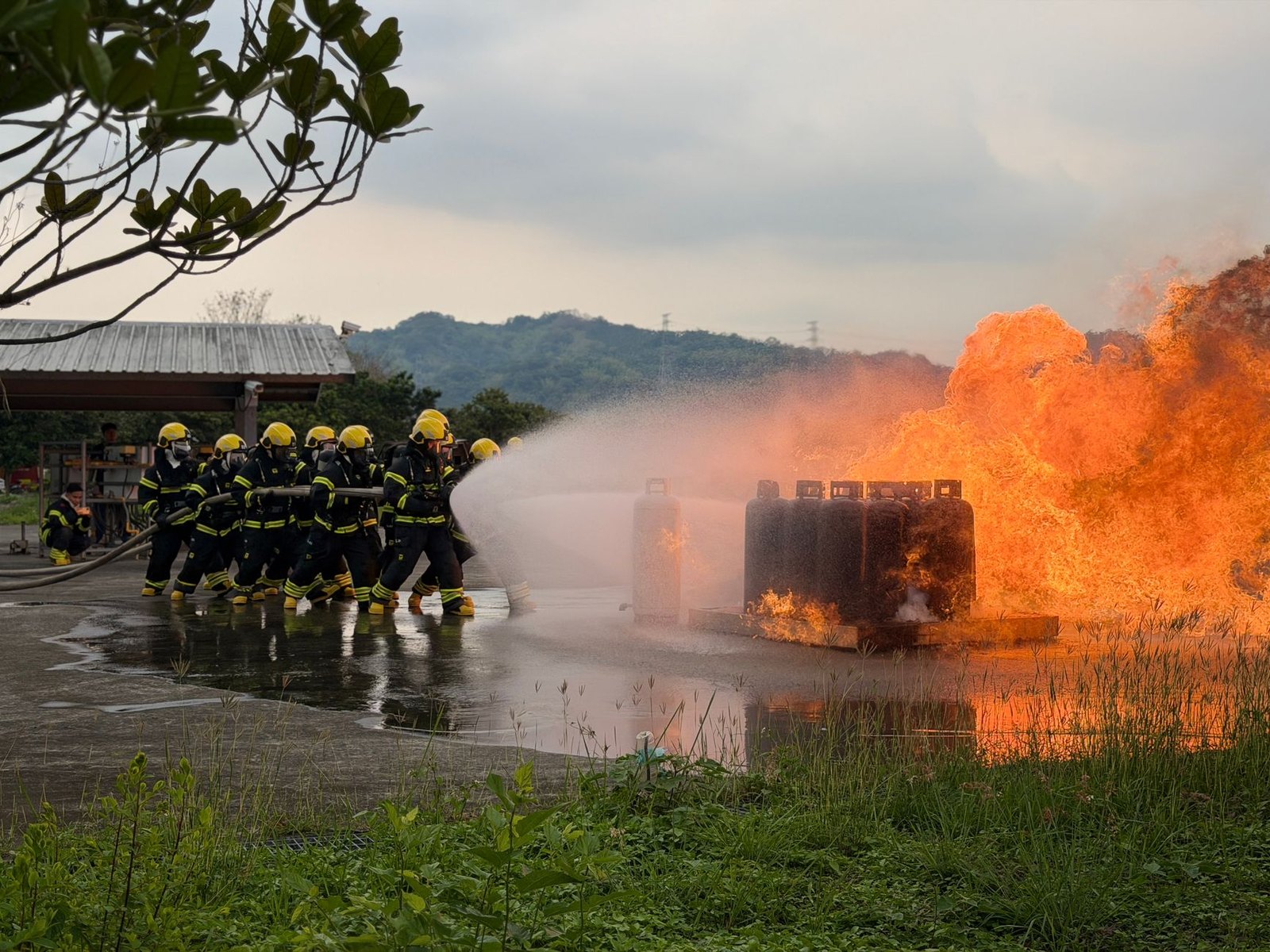
- Emergency response operations for releases, or substantial threats of releases, of hazardous substances.
The fifth category is the one that surprises plant managers. A manufacturing site that never touches a cleanup project can still owe HAZWOPER training if it expects its own employees to respond to a chemical release. The training follows the job a person will do, not the job title on the org chart.
For the cleanup categories, paragraph (e) is blunt about timing: employees must be trained before they are permitted to engage in hazardous waste operations. Training is a condition of entry.
HAZWOPER Training Levels by Role
"40-hour HAZWOPER" is the phrase most people know, but it is one level among several. The right level depends on exposure, on how often the person is on site, and on whether they respond to emergencies or supervise others.
| Role | Initial training | Field experience | Section |
|---|---|---|---|
| General site worker (laborers, equipment operators, supervisory personnel exposed to hazards) | 40 hours off site | 3 days, supervised | 1910.120(e)(3)(i) |
| Occasional worker on a specific limited task, unlikely to exceed exposure limits | 24 hours off site | 1 day, supervised | 1910.120(e)(3)(ii) |
| Regular worker in monitored, fully characterized areas below exposure limits | 24 hours off site | 1 day, supervised | 1910.120(e)(3)(iii) |
| 24-hour worker who becomes a general site worker or must wear a respirator | Additional 16 hours | Additional 2 days | 1910.120(e)(3)(iv) |
| On-site managers and supervisors | 40 hours (24 if they oversee only 24-hour workers), plus at least 8 hours of specialized training at job assignment | 3 days, supervised (1 day with the 24-hour option) | 1910.120(e)(4) |
| New employees at TSD facilities | 24 hours | Not specified in (p)(7) | 1910.120(p)(7)(i) |
Supervisor HAZWOPER training
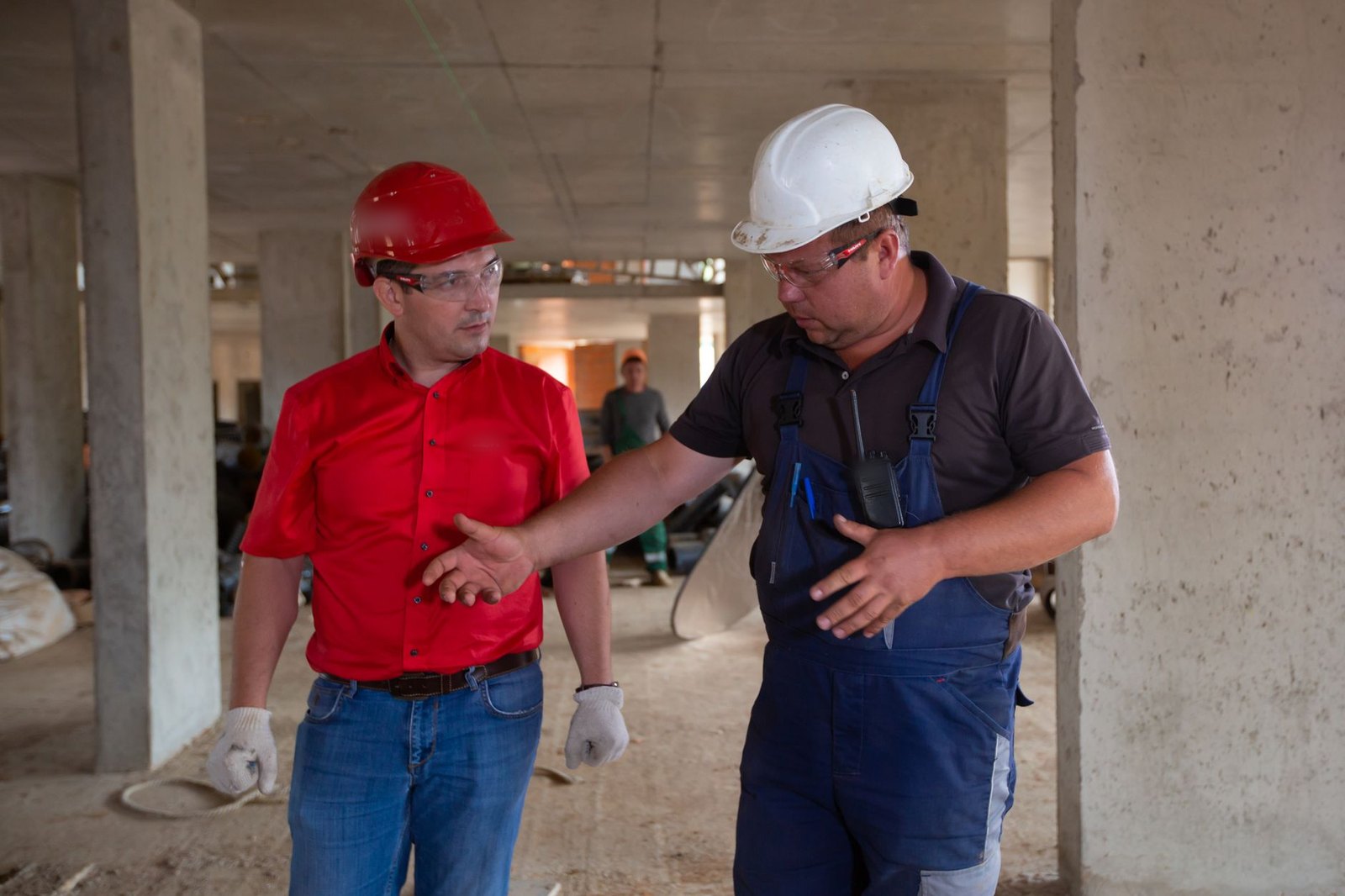
Supervisors carry the heaviest load. They need the same initial hours and field days as the crews they oversee (40 hours and three days, or 24 hours and one day when every worker they supervise is at the 24-hour level). Then they need at least eight more hours on managing hazardous waste operations. That extra block matters because supervisors direct the crews who follow the site safety and health plan, so a gap in their knowledge spreads to everyone on shift.
Emergency response levels
Paragraph (q)(6) sets training "based on the duties and function to be performed by each responder." The levels step up with responsibility:
- First responder awareness: enough training or experience to objectively demonstrate competency; no hour minimum is set.
- First responder operations: at least eight hours of training, or enough experience to demonstrate competency.
- Hazardous materials technician: at least 24 hours of training equal to the operations level.
- Hazardous materials specialist: at least 24 hours of training equal to the technician level.
- On-scene incident commander: at least 24 hours of training equal to the operations level, under (q)(6)(v).
Every level in this article also carries an annual requirement: eight hours of refresher training for site workers and supervisors, and refresher training or a yearly demonstration of competency for emergency responders under (q)(8). That yearly cycle is separate from the initial training covered here.
Can HAZWOPER Training Be Done Online
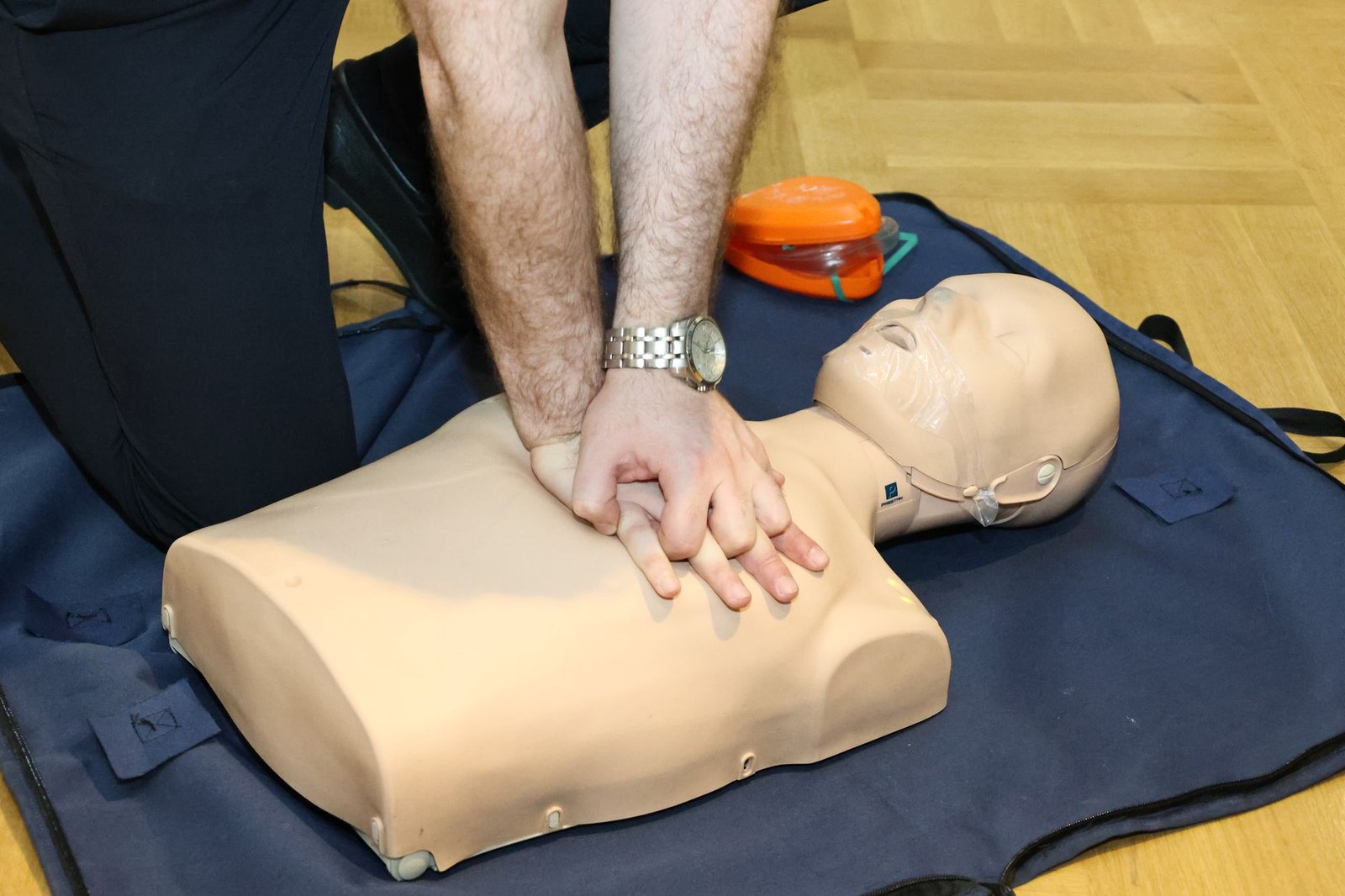
Partly. OSHA addressed online HAZWOPER training in an April 23, 2021, interpretation letter on hands-on requirements. Online training that does not give workers an actual hands-on component does not meet the standard. Initial 24-hour and 40-hour courses need hands-on practice in addition to instruction, whatever the delivery format.
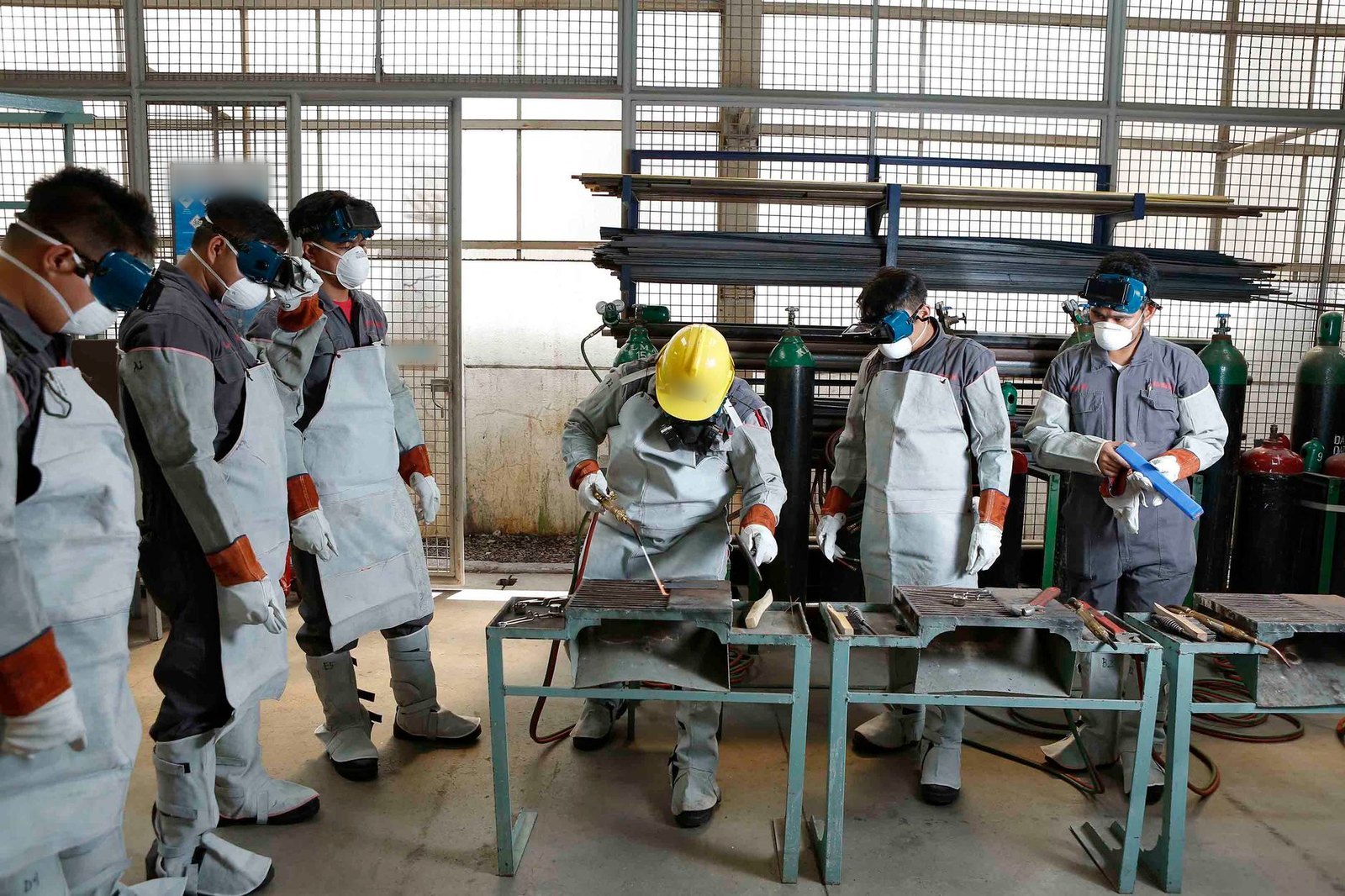
The letter describes hands-on training as a chance for employees to become familiar with, or refresh, their skills with personal protective equipment in a non-hazardous setting. It belongs in the initial course and comes before the supervised field days. Trainers must also be qualified to instruct on the subject, per 1910.120(e)(5).
For employers: online modules can carry the classroom portion, but they cannot carry PPE practice or field experience. A course sold as fully online still leaves that part for you to arrange. How online, classroom, on-the-job and blended formats compare on what workers retain is covered in regulatory training delivery methods.
Why HAZWOPER Knowledge Fades Between Sessions
Look at the shape of the requirement from a worker's point of view. There is one intensive block of 24 or 40 hours, a few field days, and then one eight-hour session a year. Everything in between depends on memory.
Memory without reinforcement does not hold flat. The forgetting curve, first measured by Hermann Ebbinghaus in the 1880s, shows recall dropping fastest in the first hours and days after learning. In 2015 a PLOS ONE replication by Murre and Dros confirmed the curve still holds.
On a HAZWOPER site, the details that fade first are the ones used least often:
- The exact doffing order for the protective ensemble a task requires
- Decontamination line steps and where each station sits
- Exposure symptoms for the specific contaminants on this site
- Action levels from the site safety and health plan
- Who calls whom, in what order, when a release happens
None of these show up on a training record. The LMS shows a completion date and a certificate number. Neither tells a site manager whether the crew could walk through decontamination correctly this morning. The same gap shows up in HazCom training, where 1910.1200(h) sets no annual refresher at all.
| What the record shows | What readiness requires |
|---|---|
| Course completed, hours logged | Correct recall of site procedures today |
| Annual refresher date | Knowledge held between refreshers |
| Pass on the end-of-course test | Retention weeks and months later |
| Same course for every worker | Reinforcement aimed at each person's gaps |
How to Make HAZWOPER Training Stick
The training itself is the regulatory floor. Keeping it ready is a separate job, and it works best as a small, steady habit.
1. Map every role to its level first
Before you reinforce anything, confirm each person holds the right initial training for the work they actually do. Re-check when duties change, especially when a 24-hour worker starts wearing a respirator.
2. Build questions from your own site documents
Generic quiz banks test generic knowledge. Pull questions from your site safety and health plan, your PPE program and your decontamination procedures. Those documents hold the facts your crews need on your sites, and they change when the site does.
3. Use spaced retrieval in short sessions
Spaced retrieval combines two well-tested methods: spaced repetition (reviewing material over time) and retrieval practice (pulling an answer from memory instead of rereading it). Blank Slate delivers AI-optimized spaced retrieval in short sessions, three or four times a week, that add up to a few minutes a week.
Part of the evidence comes from field training. In a study of US Air Force Pararescue trainees presented at I/ITSEC 2023, Blank Slate users improved from 67% to 81% accuracy over 16 weeks on about 100 seconds a week on average. Blank Slate users also had an 84% first-time pass rate on an applied knowledge test, versus 46% for non-users (I/ITSEC 2023). That is an association, not proof of cause.
The full USAF Pararescue case study covers the design.
Efficiency matters to crews with no spare hours. In a randomized controlled trial, McHugh et al., 2021 found that Blank Slate's spaced retrieval matched daily review's retention in about one-third of the study time.
4. Measure readiness by role and crew
Completion data is binary. Retention data shows which crew is weak on decontamination and which supervisor is shaky on the site plan. In a year-long case study presented at MODSIM World 2025, data-center security guards using Blank Slate who started below their team's median rose from about 56% to over 90% accuracy (Smith, MODSIM World 2025). The gap closed through three short sessions a week, six questions each.
What this does not replace
Blank Slate does not replace the 24 or 40 hours, the hands-on PPE work, the supervised field days or the annual refresher OSHA requires. It reinforces and measures retention between them. It also coexists with the LMS that holds your training records; the difference from an LMS is that it tracks what people remember, not what they completed. Our guide to compliance training best practices covers the same principle for other regulated programs.
What This Means for EHS Leaders
The standard tells you how many hours to buy. It does not tell you whether a technician can recall the doffing sequence on day 200. That gap is where incidents and audit findings start, and it is invisible in a completion report.
The practical decision is where to look first. Start with the roles where a recall error costs the most, usually emergency responders and supervisors, and test what they know today. See how Blank Slate supports industrial safety teams, or find your crew's knowledge gaps before the next refresher.
Frequently Asked Questions
Can HAZWOPER training be completed entirely online?
No. OSHA's 2021 interpretation letter states that online training without an actual hands-on component does not meet the standard. Online modules can cover classroom content, but initial 24-hour and 40-hour courses also need hands-on PPE practice, followed by supervised field experience.
What is the difference between 24-hour and 40-hour HAZWOPER training?
The 40-hour level is for general site workers exposed to hazardous substances, with three supervised field days. The 24-hour level covers occasional or limited-task workers, and workers in characterized areas below exposure limits, with one field day.
Do supervisors need more HAZWOPER training than their crews?
Yes. Under 1910.120(e)(4), on-site managers and supervisors need 40 hours of initial training and three days of supervised field experience (24 hours and one day if they oversee only 24-hour workers). They also need at least eight additional hours of specialized training on managing hazardous waste operations when they take the role.
Does Blank Slate replace the HAZWOPER course itself?
No. Blank Slate reinforces and measures what workers retain between required courses and refreshers. The OSHA-required hours, hands-on practice and field days still come from your training provider, and your LMS still holds the records.
Your crews passed the course. The question is what they remember today. A Knowledge Gap Audit shows what your team knows today and where gaps may exist, before an incident or an inspection finds them.