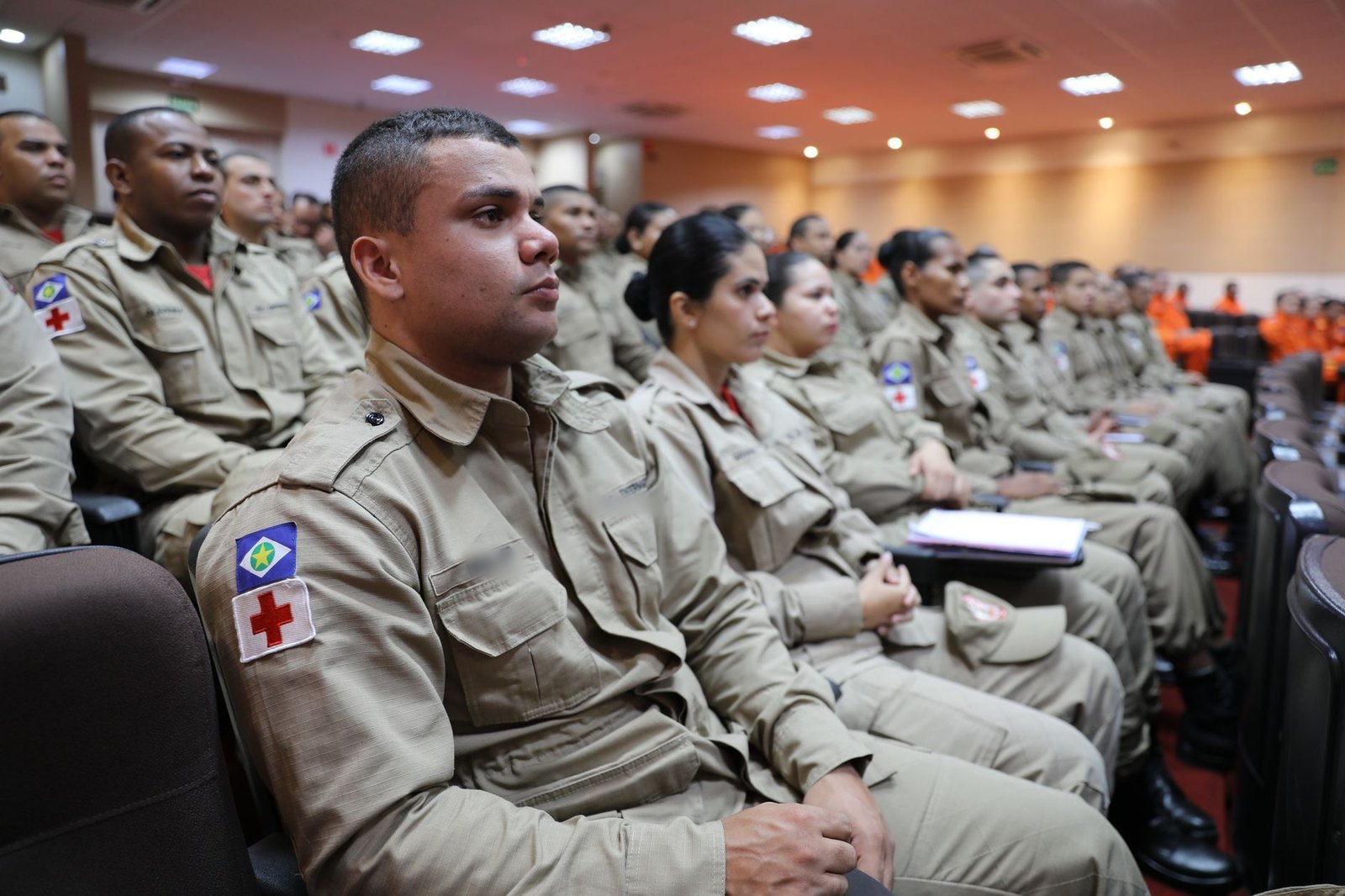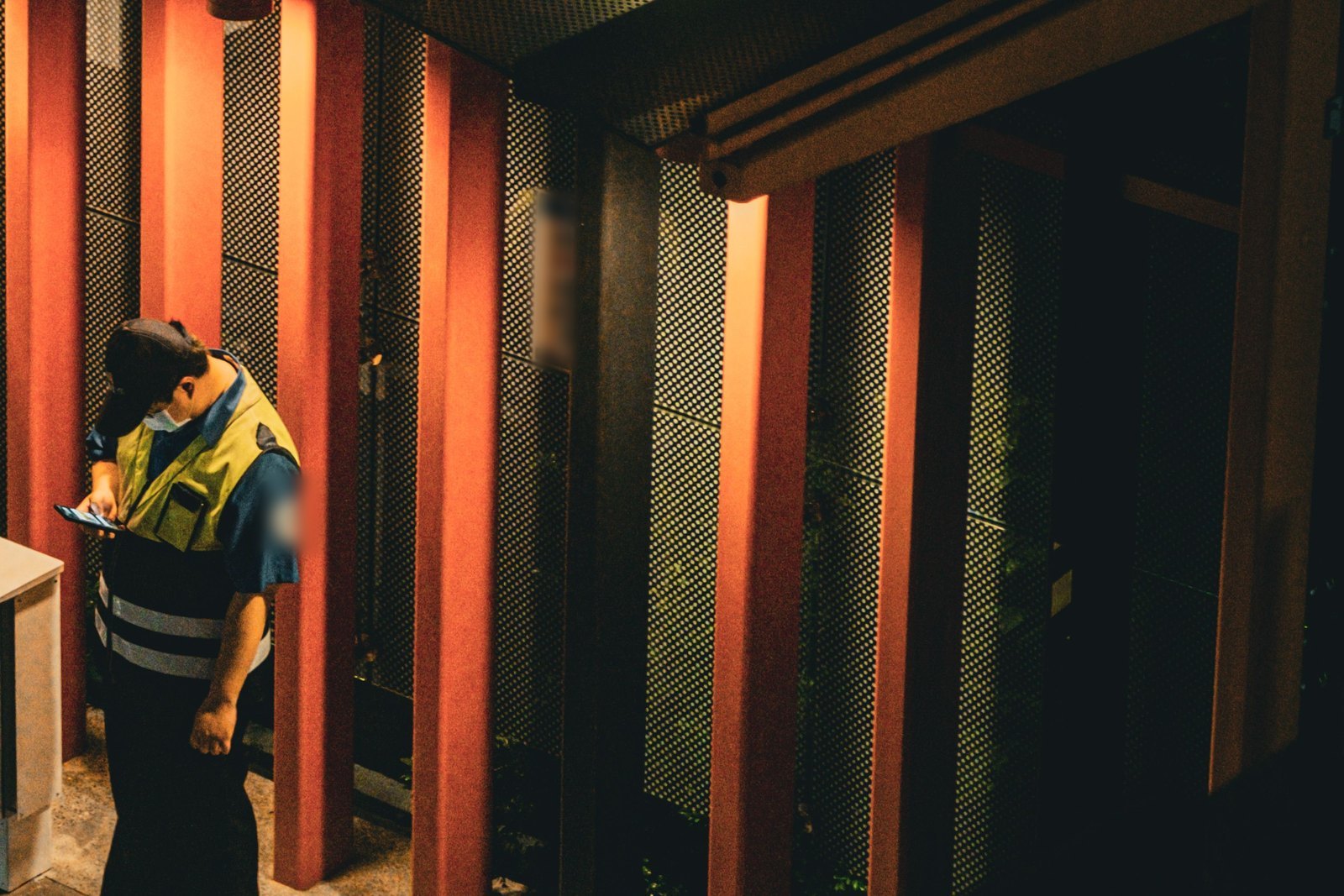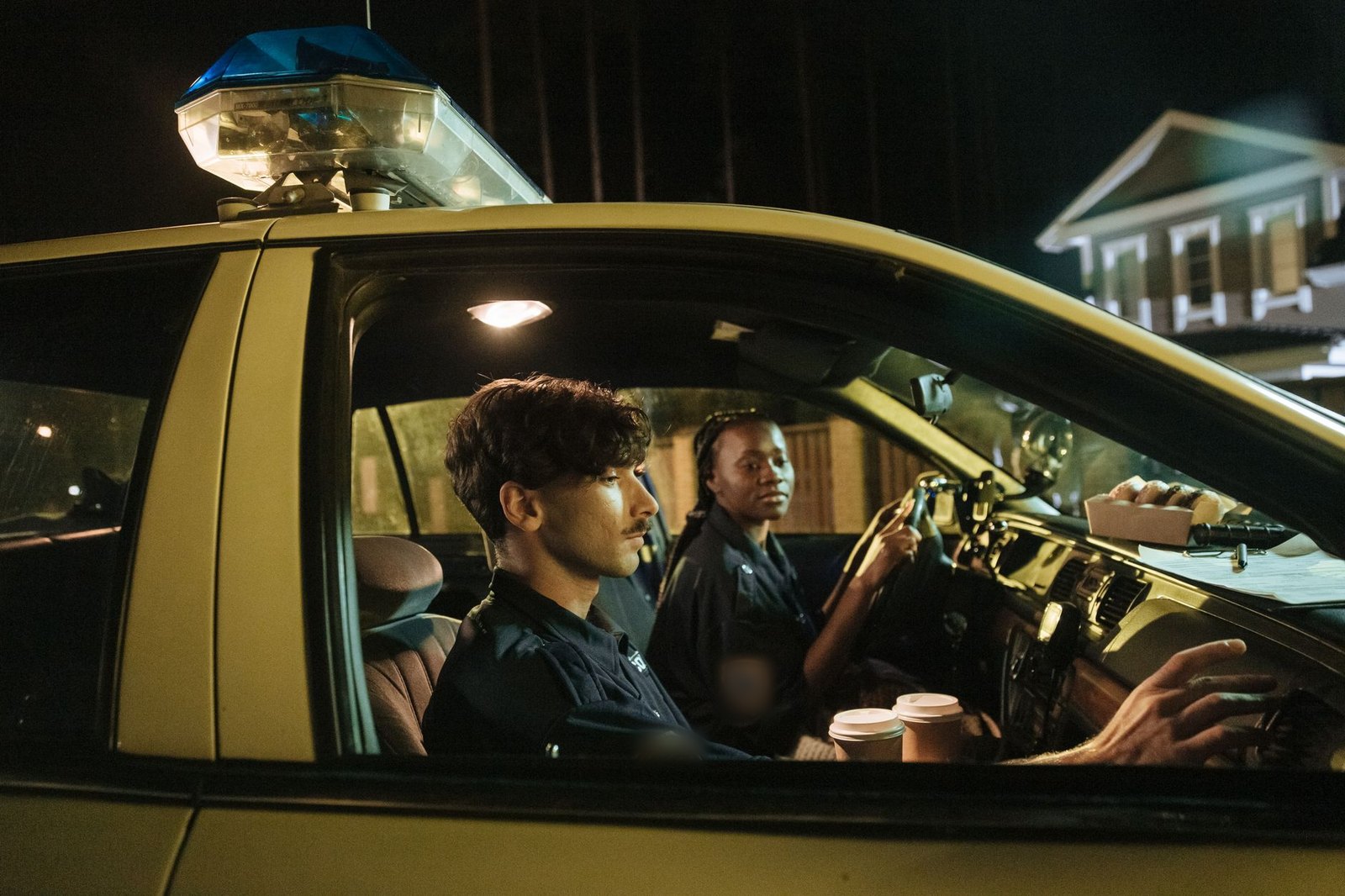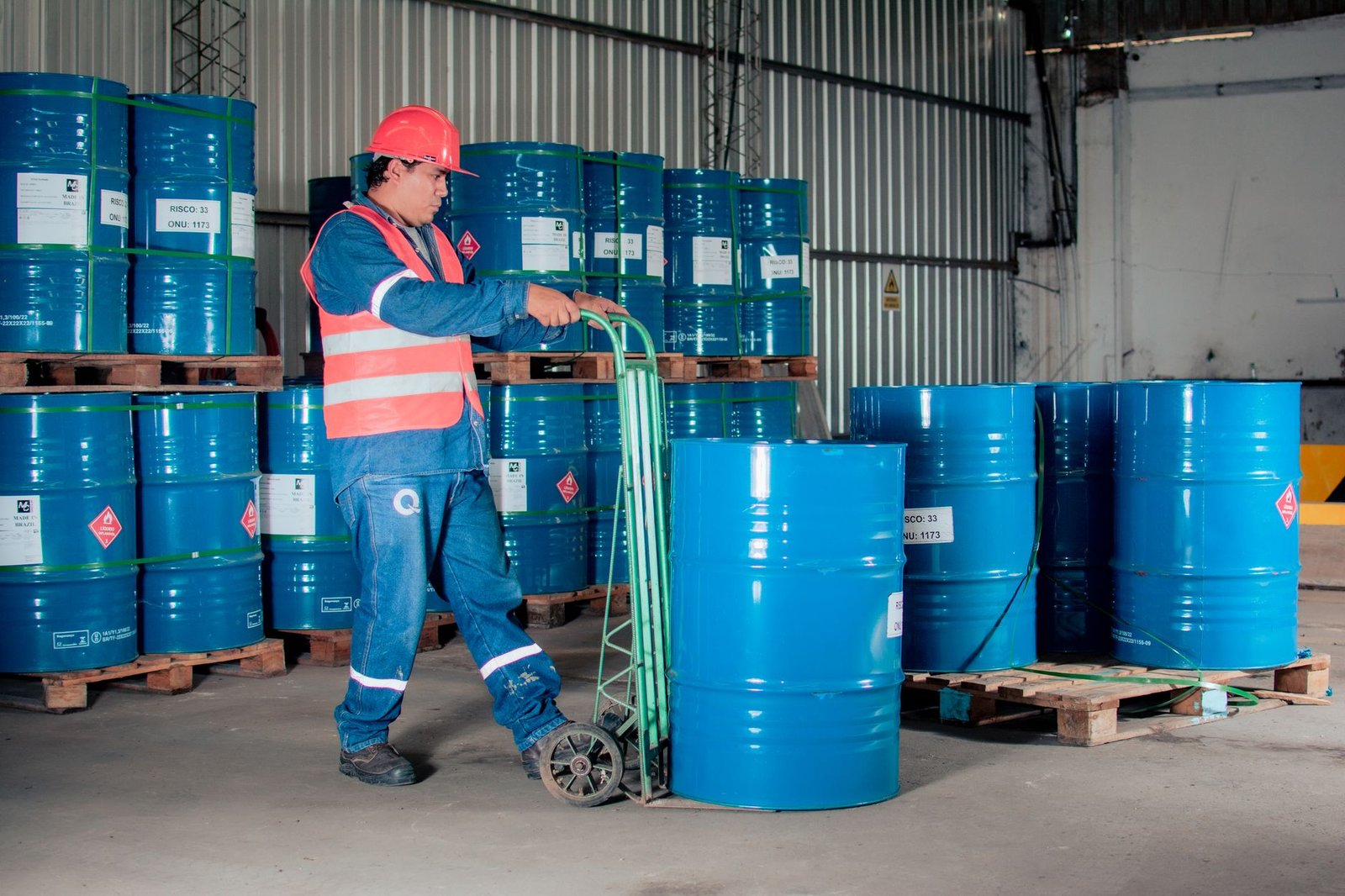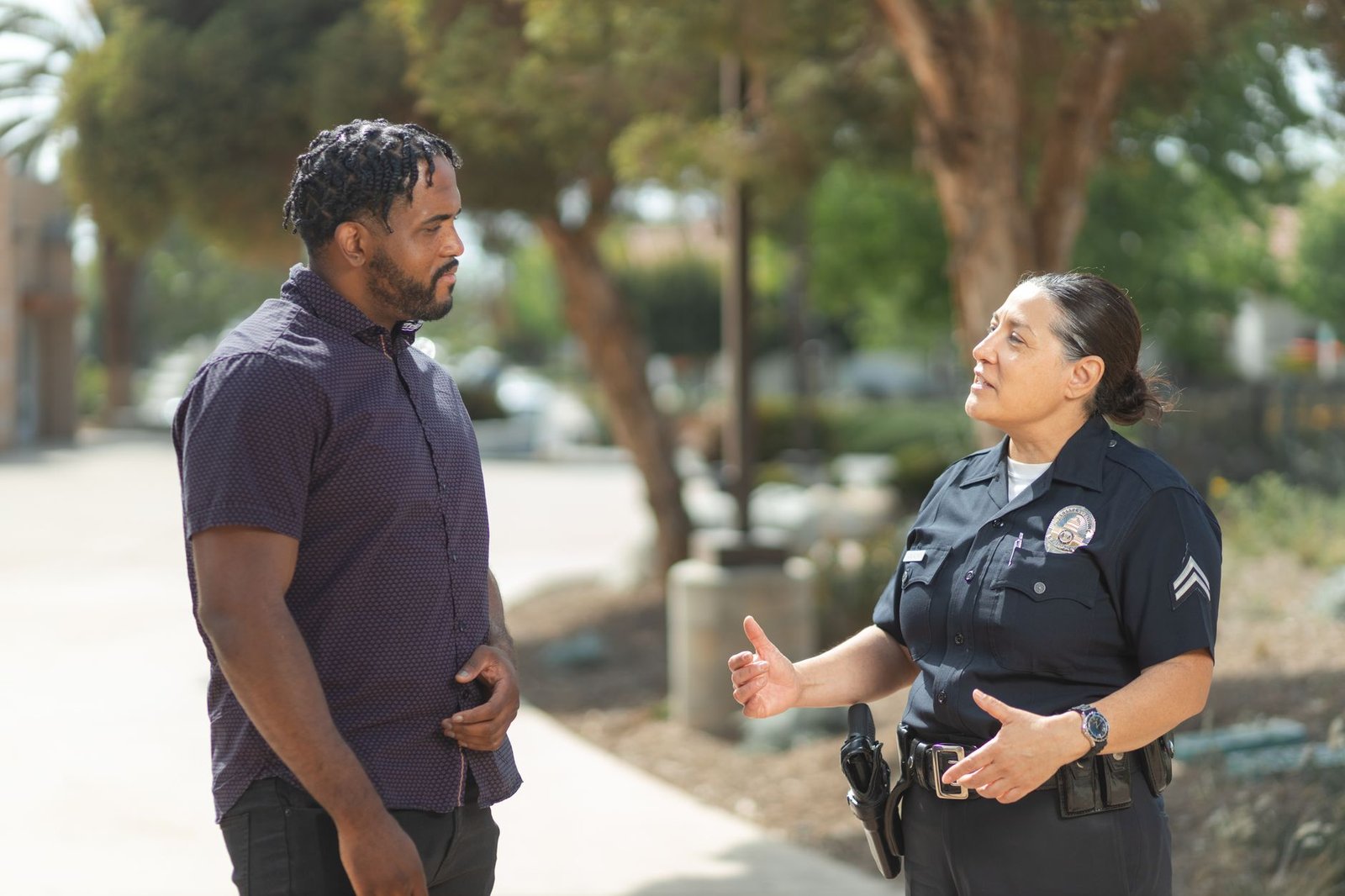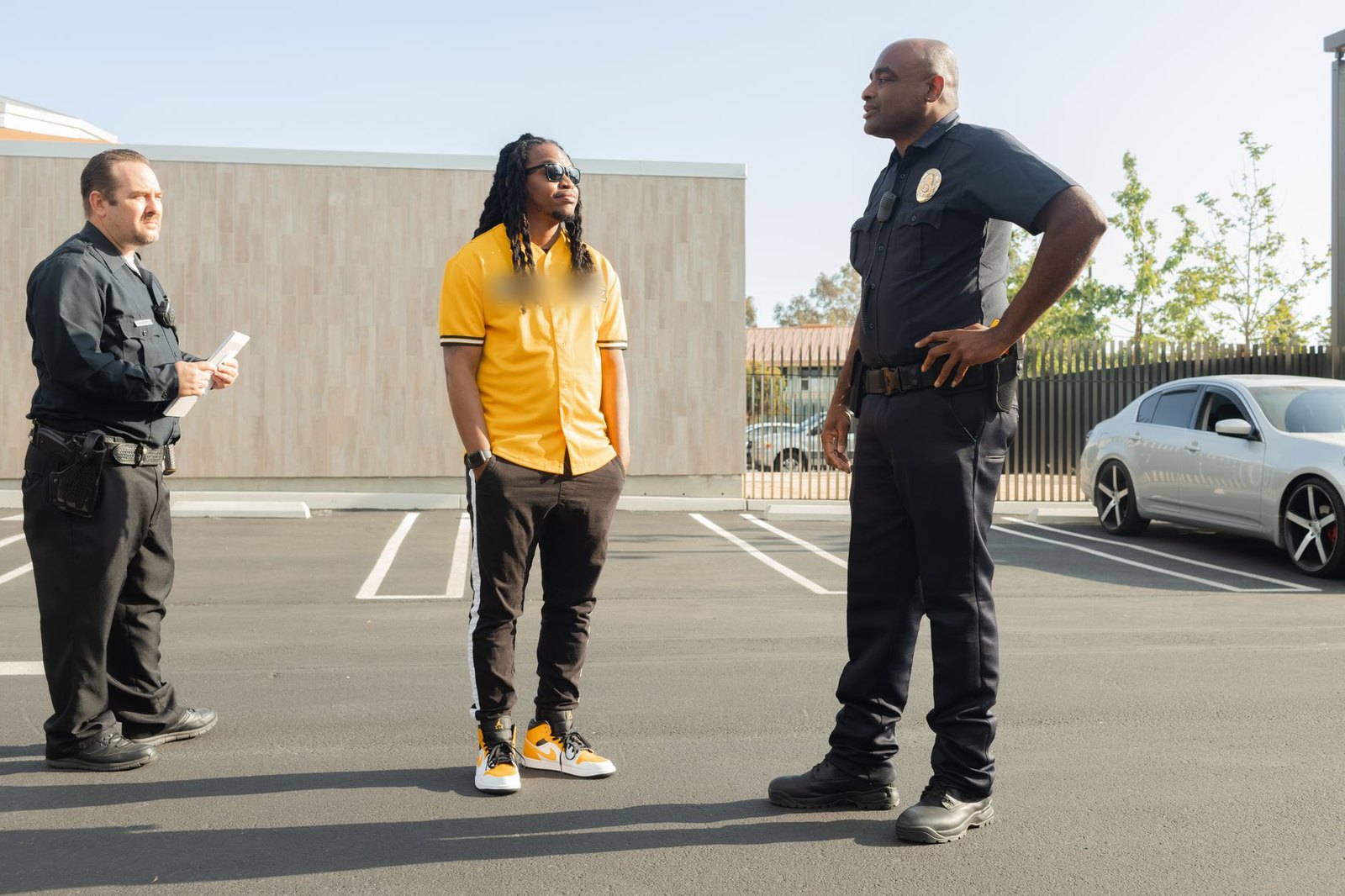
A patrol officer arrives at a call where a man in crisis is shouting in a parking lot. In the next two minutes she has to read the scene, choose her words, create distance and decide whether waiting is safer than acting. The de-escalation training for law enforcement behind those choices may have been an in-service block she sat through a year or more ago.
That interval is the problem training leaders own. Rules set how many hours officers log and how often, not what an officer can recall between sessions.
Table of Contents
- What the job asks of de-escalation training for police
- What the rules require for de-escalation training for law enforcement
- Why the skill fades between in-service sessions
- How agencies check and reinforce de-escalation skills
- Where Blank Slate fits
- Where to start
- Frequently Asked Questions
What the Job Asks of De-Escalation Training for Police
De-escalation is a set of decisions made under time pressure. The Department of Justice, for example, describes it as tactics and techniques designed to gain voluntary compliance before using force. Your own agency's policy sets the expectation your officers are measured against.
On a live call, an officer has to pull this from memory without a pause:
- Recognizing a crisis: signs of mental illness, intoxication, fear or a medical emergency behind the behavior.
- Communication: a calm voice, one speaker at a time, short instructions.
- Time, distance and cover: when creating space lowers the risk and when it does not.
- Agency policy: what your own policy says about when de-escalation is expected and how force decisions are reviewed.
- Resources: when to request a crisis team, a supervisor or medical help, and how.
This is knowledge and judgment, and it fades like other knowledge. Hands-on formats such as scenario-based training rehearse the decisions; this article is about the months that follow.
What the Rules Require for De-Escalation Training for Law Enforcement
There is no single national standard for de-escalation training for law enforcement. Requirements come from agency policy, the state's standards body or legislature, and, for the Justice Department's own officers, DOJ policy.
| Who it covers | Source | What it requires |
|---|---|---|
| Officers of DOJ's law enforcement component agencies | Justice Manual 1-16.000 | Training at least annually on the use-of-force policy and related legal updates; separate training on a regular and periodic basis that covers de-escalation techniques; all use-of-force training documented |
| California peace officers (other than Level III reserves) | POST refresher training requirements | 24 or more hours of Continuing Professional Training every two-year cycle; for officers below middle management assigned to patrol, traffic or investigation who routinely make physical arrests (except reserves), Perishable Skills minimums every 24 months, including 2 hours of strategic communications and 4 hours of use of force |
| Minnesota peace officers and part-time peace officers | Minn. Stat. 626.8469 | In-service training in crisis intervention, conflict management and mediation, and related topics: at least 16 continuing education credits per three-year licensing cycle, including at least 6 hours of crisis intervention and mental illness crisis training (renewal dates from June 30, 2022) |
| Washington officers certified before December 7, 2019, and laterals | WAC 139-11-020 | At least 40 hours of continuing de-escalation and mental health training every three years |
Justice Department officers
The Department of Justice's use-of-force policy sets training standards for the Department's law enforcement component agencies. It says officers will be trained in de-escalation tactics and techniques, and that those tactics and techniques "should be employed if objectively feasible and they would not increase the danger to the officer or others." All officers must receive training "at least annually" on the policy and related legal updates.
Separately, training must be provided "on a regular and periodic basis" and designed to provide techniques for de-escalation and reinforce its importance, along with simulated shooting situations and judgment in using less-than-lethal and deadly force. All use-of-force training must be documented. The policy gives the de-escalation part no fixed interval beyond "regular and periodic."
State examples
California does not list de-escalation as its own refresher category. Its Perishable Skills Program sets minimums every 24 months for officers below middle management assigned to patrol, traffic or investigation who routinely make physical arrests, reserves excepted: 4 hours each of arrest and control, driver training, tactical firearms and use of force, plus 2 hours of strategic communications. Agencies may request an exemption from all or part of the requirement in writing, with an attestation that their officers do not carry firearms, rarely interact with or arrest suspects, or do not use marked emergency vehicles in the normal course of business. POST's page is a quick reference; Commission Regulation 1005(d) governs.
In Minnesota, the duty sits with the agency: the chief law enforcement officer of every state and local agency must give every peace officer and part-time peace officer in-service training in crisis intervention and mental illness crises, conflict management and mediation, community diversity and implicit bias, and bias-motivated incidents. It totals at least 16 continuing education credits within each three-year licensing cycle, from a board-approved provider, and for officers with a license renewal date of June 30, 2022, or later it must include at least six hours of crisis intervention and mental illness crisis training. Crisis intervention courses must meet board standards that include scenario-based instruction and list "techniques for crisis de-escalation" among their topics. Agency heads must keep written records, and the board can impose licensing sanctions for noncompliance.
Washington is the most specific. Since December 7, 2019, new general authority officers complete at least 200 hours of initial violence de-escalation and mental health training in the basic academy. Officers certified before December 7, 2019, and lateral officers certified after it, must complete at least 40 hours of continuing de-escalation and mental health training every three years, with incumbents finishing their first cycle by January 1, 2028. As of November 2026, a proposed amendment to the chapter (WSR 26-15-100) keeps the 40-hour, three-year requirement; check the current rule before planning a cycle.
These rules set hours and intervals of up to three years. None of them measures what an officer still knows in month seven.
Why the Skill Fades Between In-Service Sessions
Knowledge that is not used fades, fastest in the weeks after training. We cover the general forgetting curve and what it means for de-escalation skills in our article on de-escalation training for employees. For police, two findings matter most.
First, the evidence base is thin. A systematic review in Criminology & Public Policy (Engel, McManus & Herold, 2020) identified 64 de-escalation training evaluations over 40 years, "primarily in the fields of nursing and psychiatry." The authors found some confidence in slight-to-moderate improvements but concluded that "important questions regarding the impact of de-escalation training for police remain."
Second, where gains were found, they did not hold on their own. A 2023 National Institute of Justice article describes the Louisville Metro Police Department's evaluation of one de-escalation curriculum by Dr. Robin Engel's research team. Officer uses of force and civilian injuries were each down by more than 25 percent after training. But supervisors were not reinforcing what patrol officers had learned, which led to training decay, and the curriculum's critical decision-making model "was the fastest piece to decay." Louisville responded with a supplementary program aimed at supervisors.
A course can change behavior, and the change still needs upkeep between courses.
How Agencies Check and Reinforce De-Escalation Skills
The steps below are this article's suggestions, not requirements from any of the rules above.
1. Write questions from your own policy
Pull short questions from your de-escalation and force policies, crisis team procedures and the debriefs of recent calls. Ask what your policy expects, such as when a crisis team request is required.
2. Check recall between sessions, not only at the end of them
An end-of-course test measures the day of the course. A short check months later shows what survived. Track first-attempt accuracy by topic to see which parts of the policy fade first.
3. Involve supervisors
The Louisville experience points at supervisors as the link that keeps training in use. Give sergeants the same questions their officers see, and the results for their squads, so roll call can cover the weak topics.
4. Reinforce the gaps in small doses
Officers on rotating shifts often cannot leave the street for another classroom block. Brief practice on the topics each person misses fits around patrol.
Recruits carry the same knowledge into field training, and a field training officer program is a natural first place to check it.
Where Blank Slate Fits
Blank Slate is a cognitive-readiness platform built on spaced retrieval: the combination of spaced repetition (reviewing material over time) and retrieval practice (answering from memory instead of rereading). Its AI schedules each question for the moment a person is about to forget it, in short (about 60-second) sessions three or four times a week, adding up to a few minutes a week. It works on top of the training content an agency already has, and its True Knowledge Level™ shows what a person or team knows right now.
Two Blank Slate studies show what that reinforcement can do. In a pilot with US Air Force pararescue trainees presented at I/ITSEC 2023, knowledge accuracy rose from 67% to 81% over 16 weeks on about 100 seconds of app use a week. App users had an 84% first-time pass rate on an applied knowledge test, versus 46% for non-users (I/ITSEC 2023), an association rather than proof of cause. In a randomized controlled trial with university students, Blank Slate's spaced retrieval matched daily review's retention in about one-third of the study time (McHugh et al., 2021).
Neither study involved police officers. Blank Slate does not deliver state-mandated hours, POST credit or hands-on practice; it reinforces and measures what officers retain between those sessions, alongside the records system that tracks completion (see how it differs from an LMS). Blank Slate also works with first responders.
Where to Start
Pick the knowledge with the highest cost of forgetting: your de-escalation policy's expectations, crisis team activation and the decision points your agency reviews after force incidents. Check what patrol officers recall today, before the next in-service cycle. A Knowledge Gap Audit is a free way to get that first reading.
Frequently Asked Questions
Which rules require de-escalation training for law enforcement?
It depends on the agency and the state. DOJ requires use-of-force policy training at least annually for officers of its law enforcement components, plus regular and periodic training that covers de-escalation techniques. Washington requires 40 hours of continuing de-escalation and mental health training every three years for officers certified before December 7, 2019, and laterals. Minnesota includes crisis intervention and conflict management in required in-service training.
How often is de-escalation training for law enforcement required?
DOJ requires use-of-force policy training at least annually and de-escalation techniques on a "regular and periodic" basis. California's Perishable Skills Program, which includes strategic communications and use of force, runs every 24 months for officers below middle management in patrol, traffic or investigation who routinely make physical arrests. Minnesota and Washington use three-year cycles, and your state's rules set the interval that applies to you.
Does Blank Slate count toward POST or in-service hours?
No. Blank Slate does not deliver required training hours or hands-on practice, and it does not replace your training records system. It reinforces and measures what officers retain between required sessions.
Your officers logged their de-escalation hours. The question is what they would recall on the next crisis call. A Knowledge Gap Audit is free: officers answer a short assessment in the browser, and you get a one-page readiness snapshot of what is retained, what is slipping, and where to reinforce first.