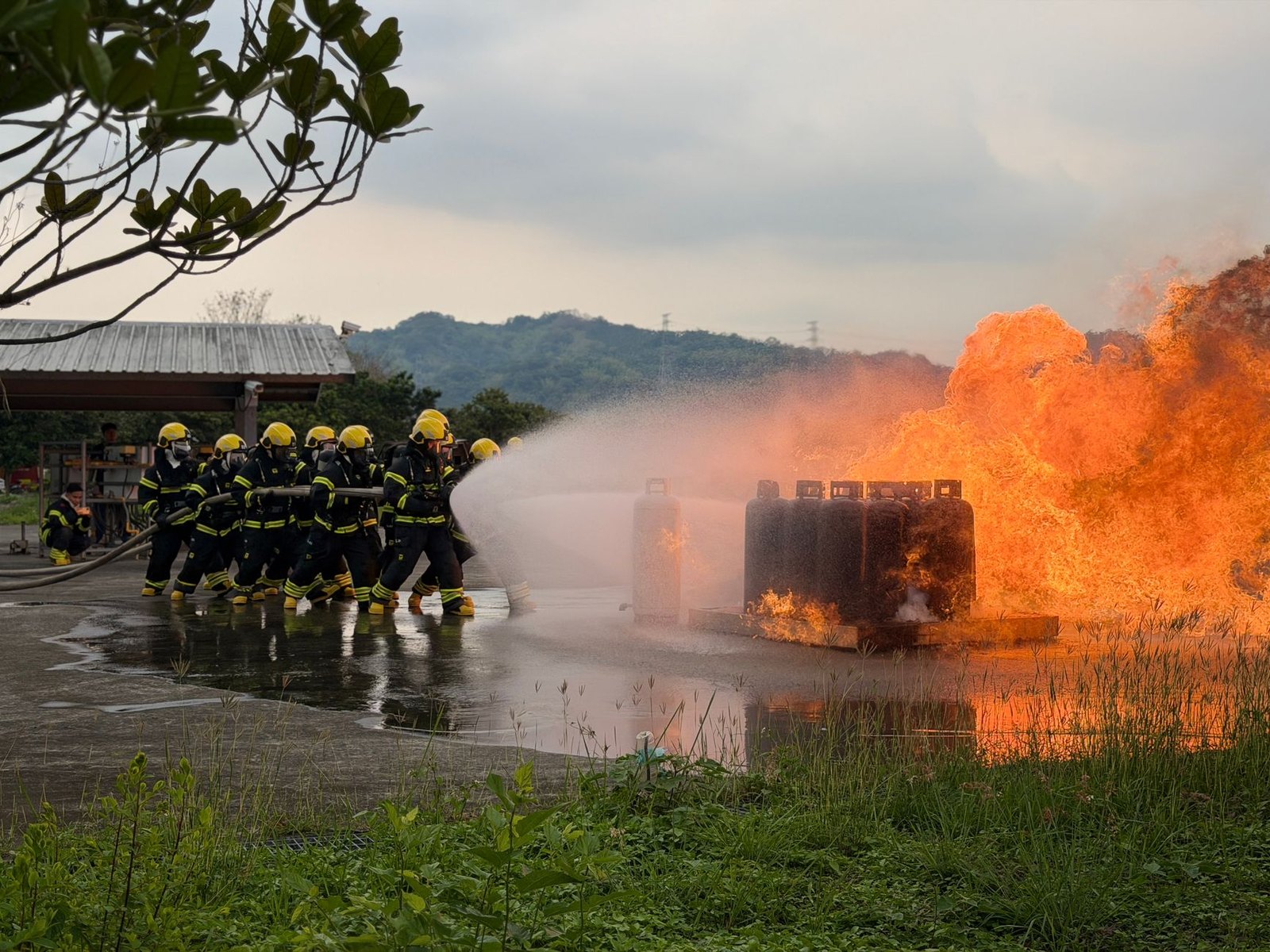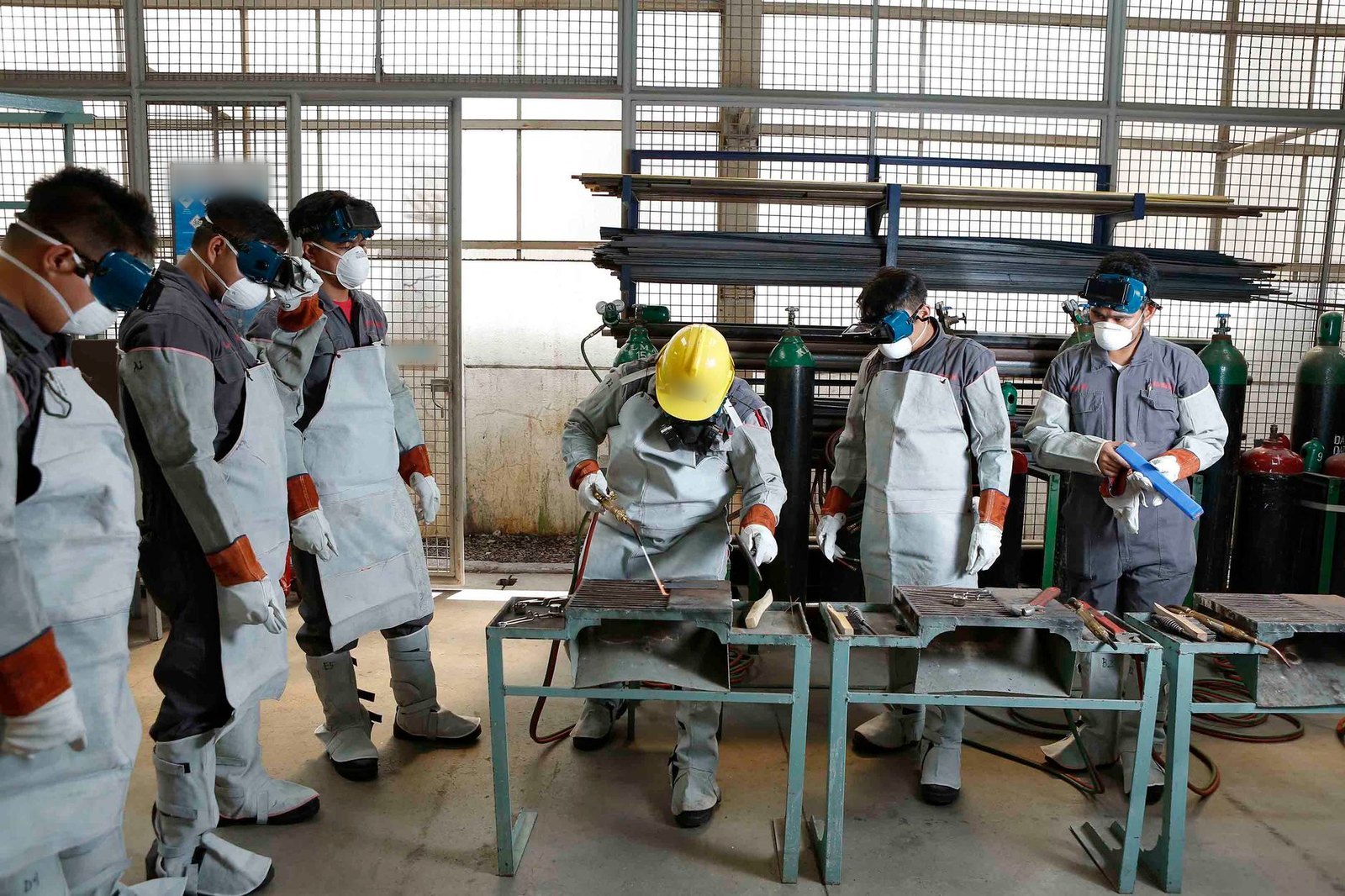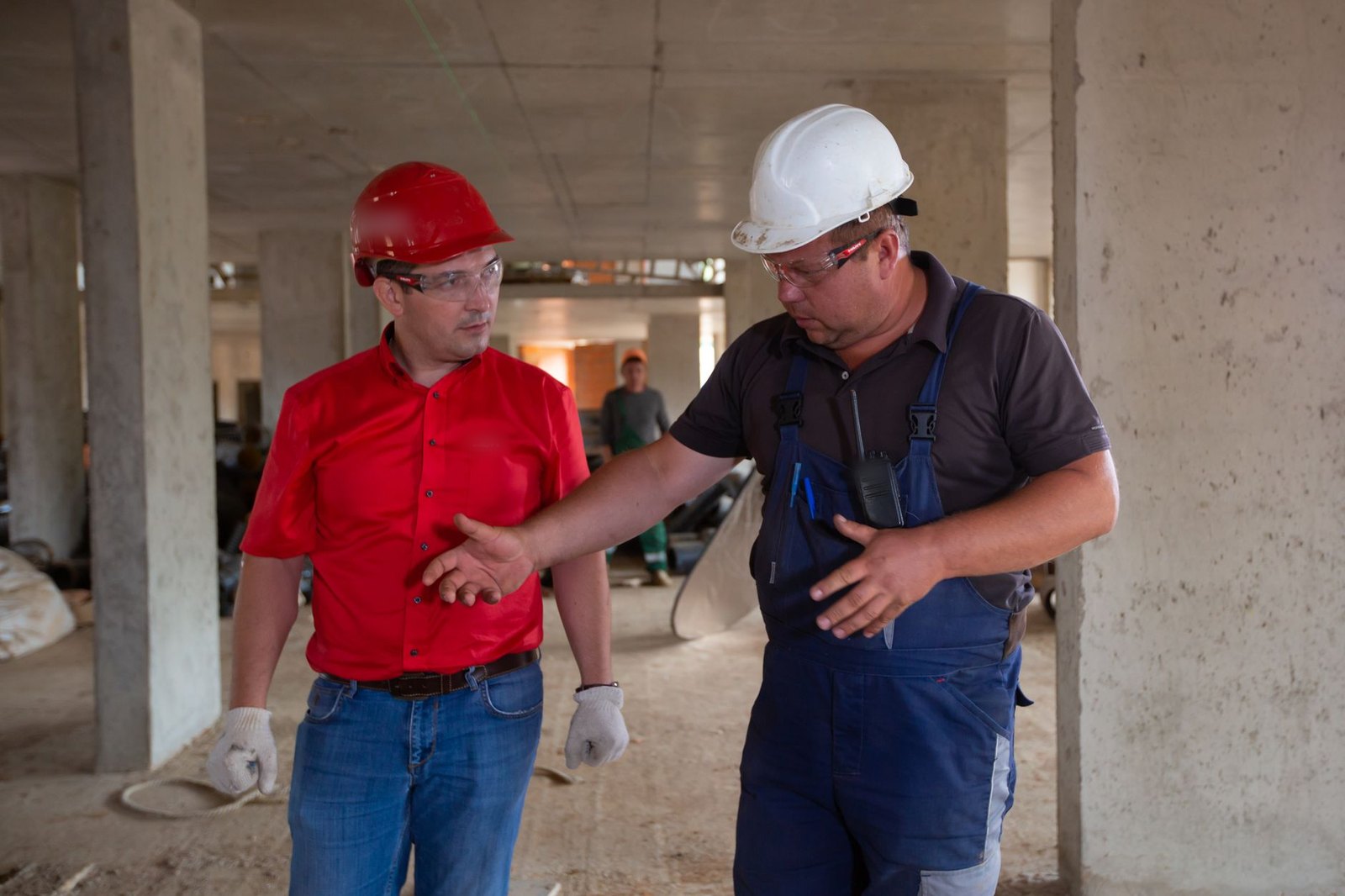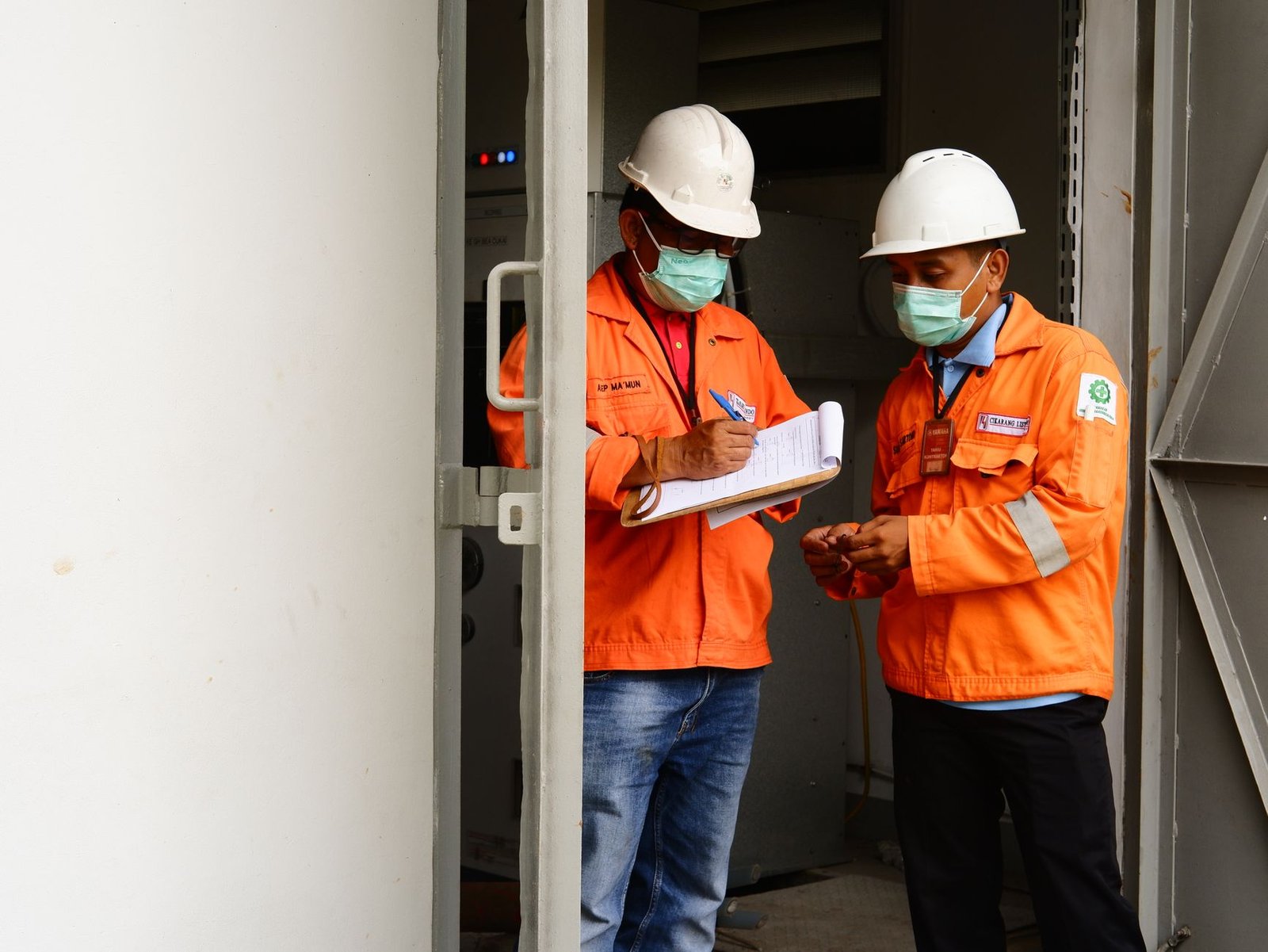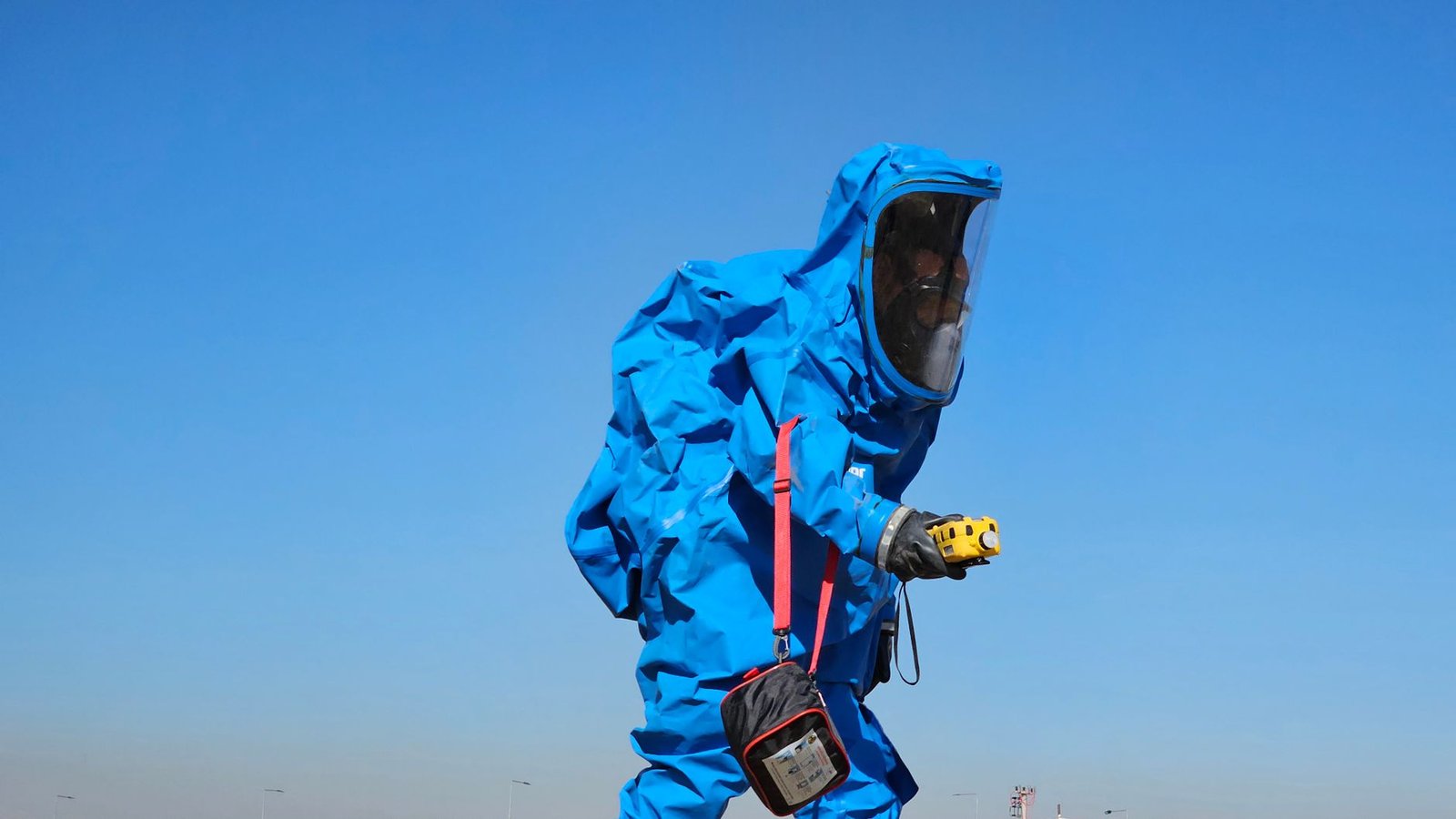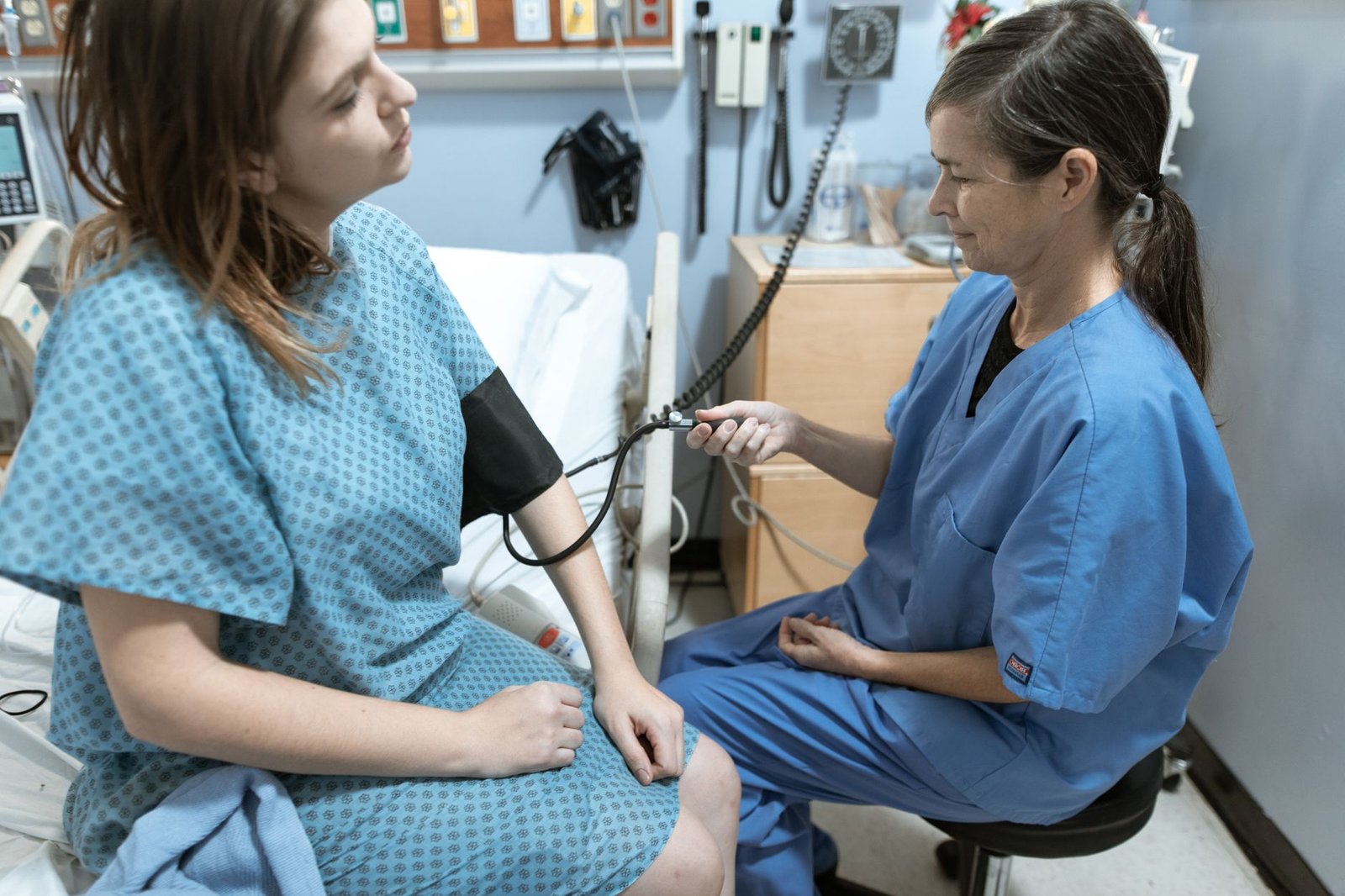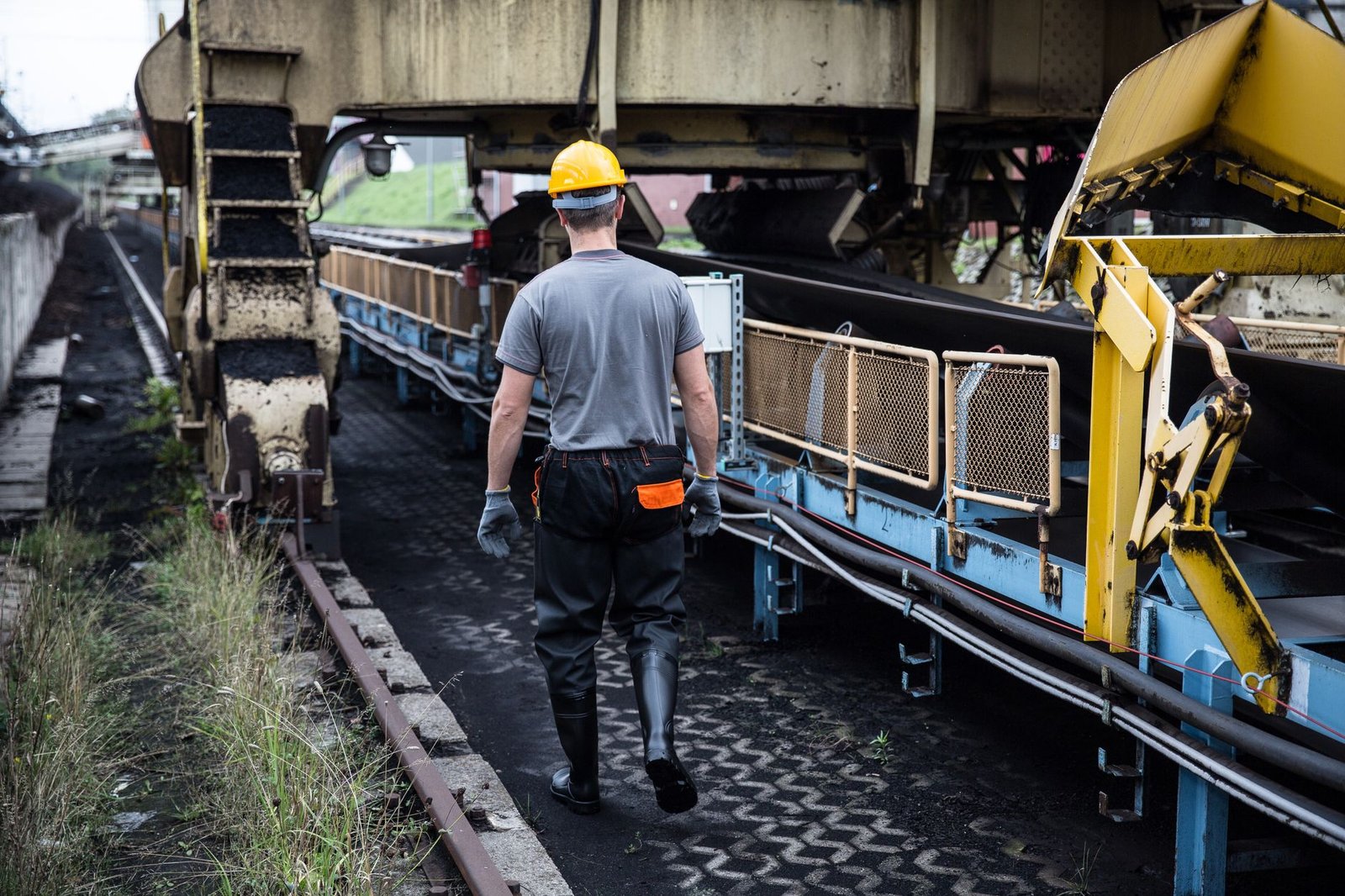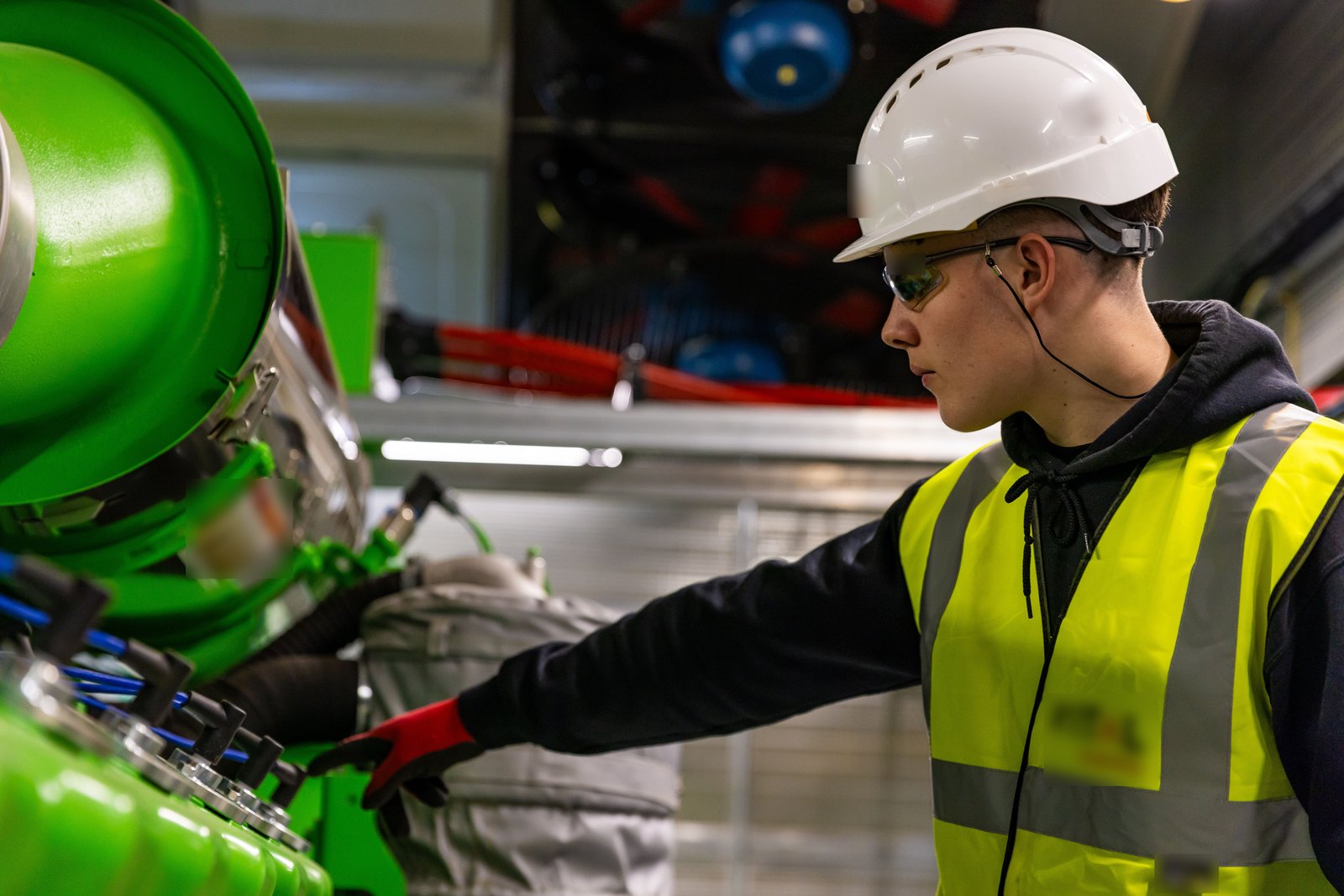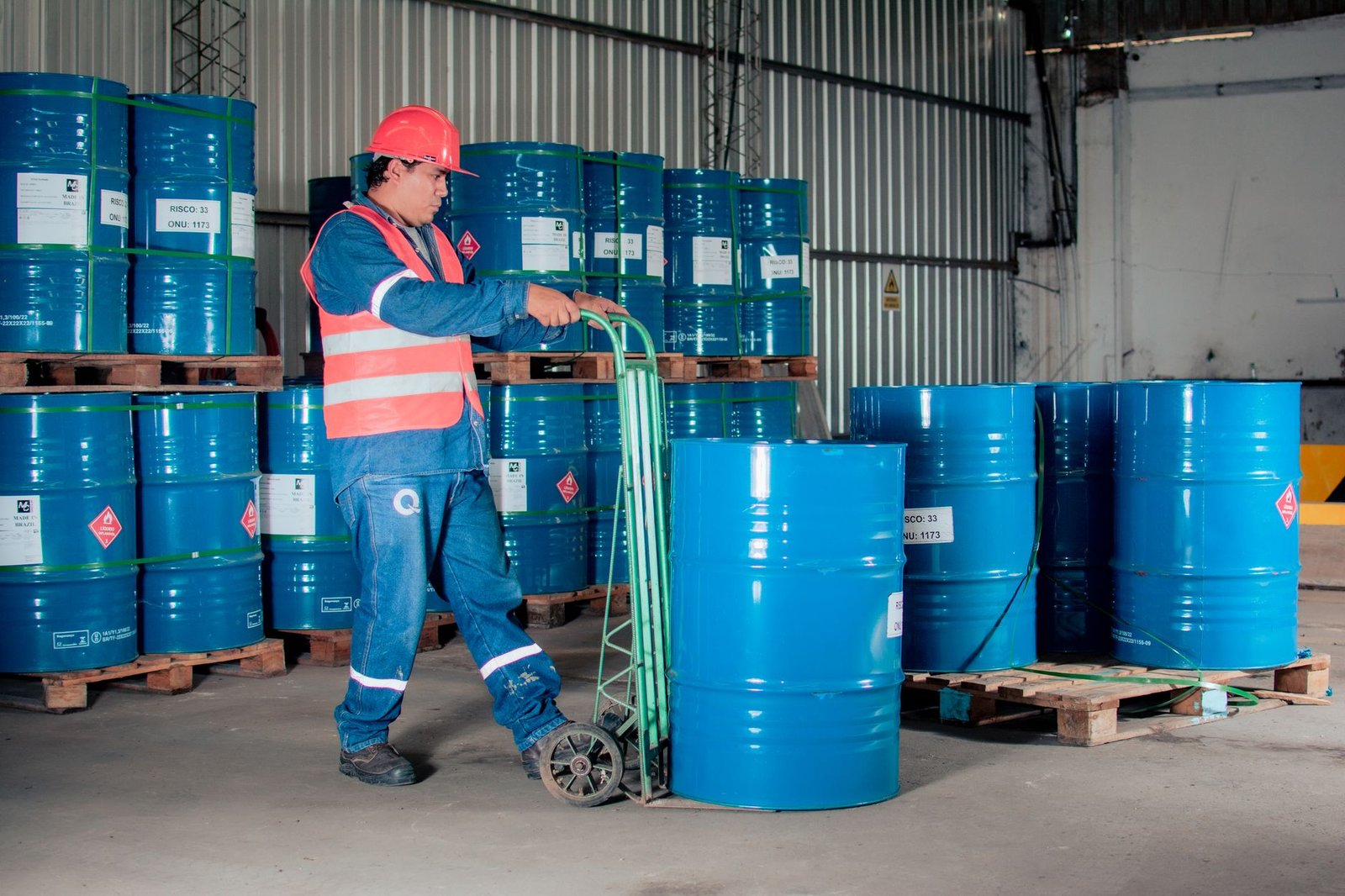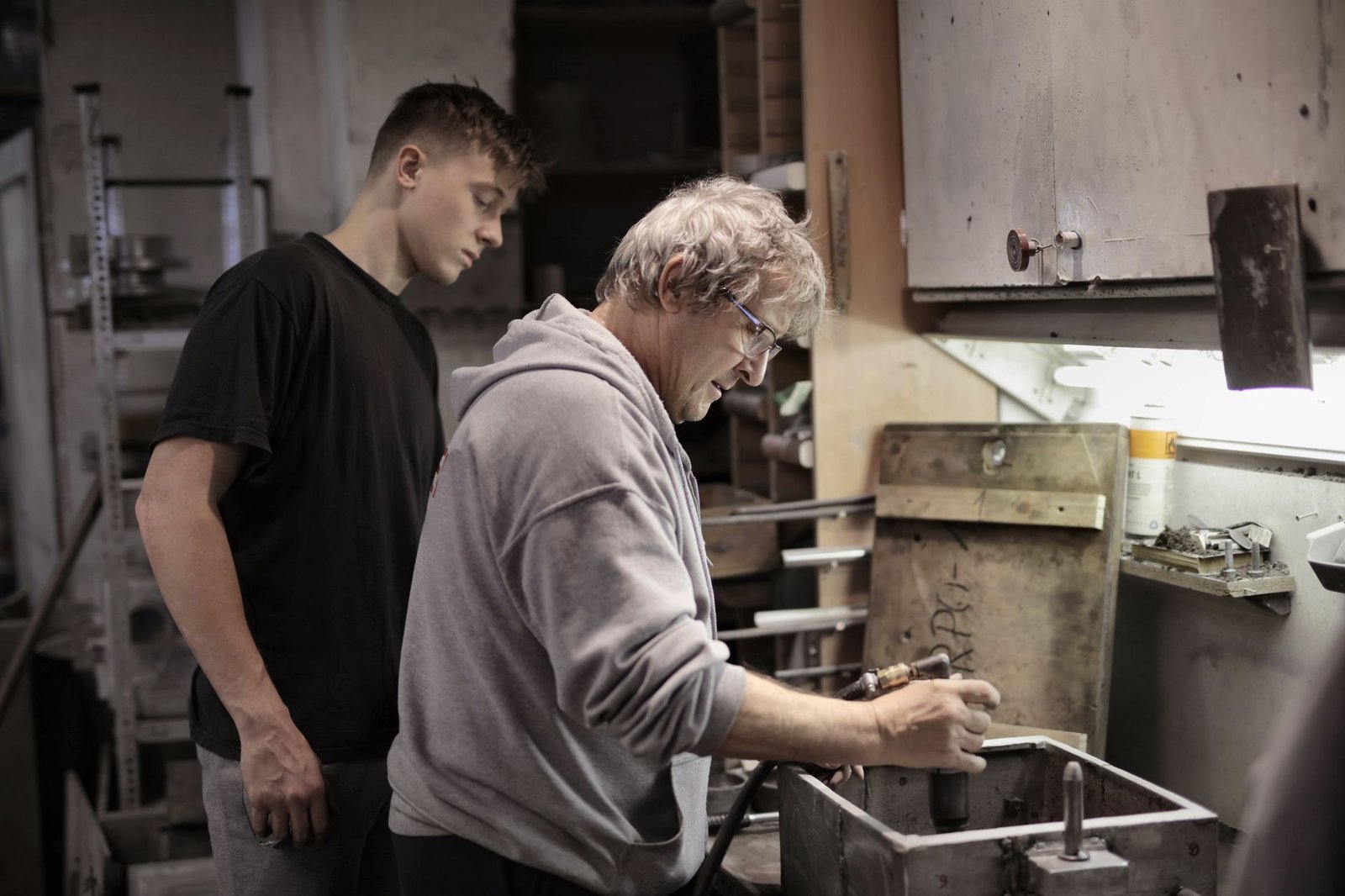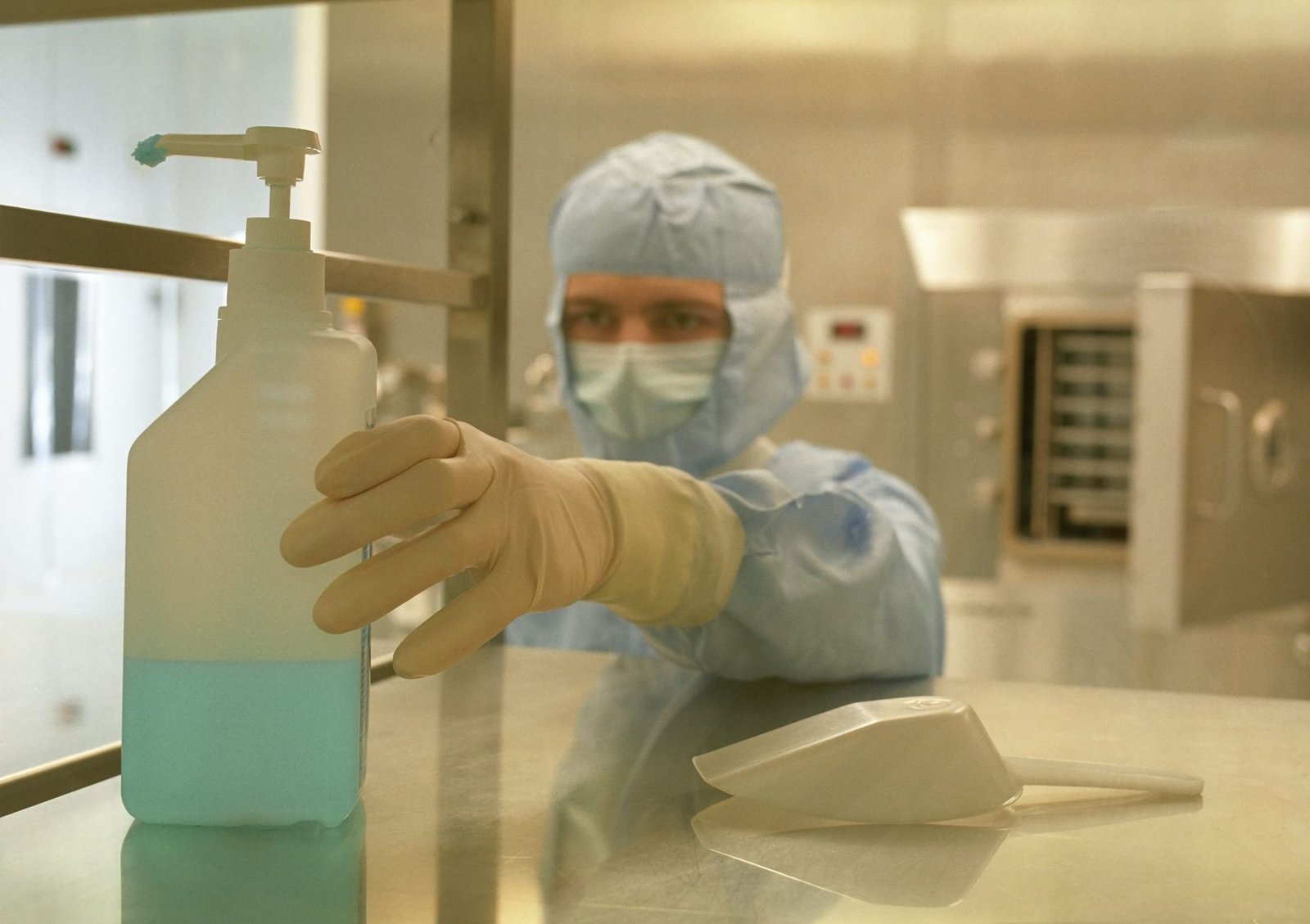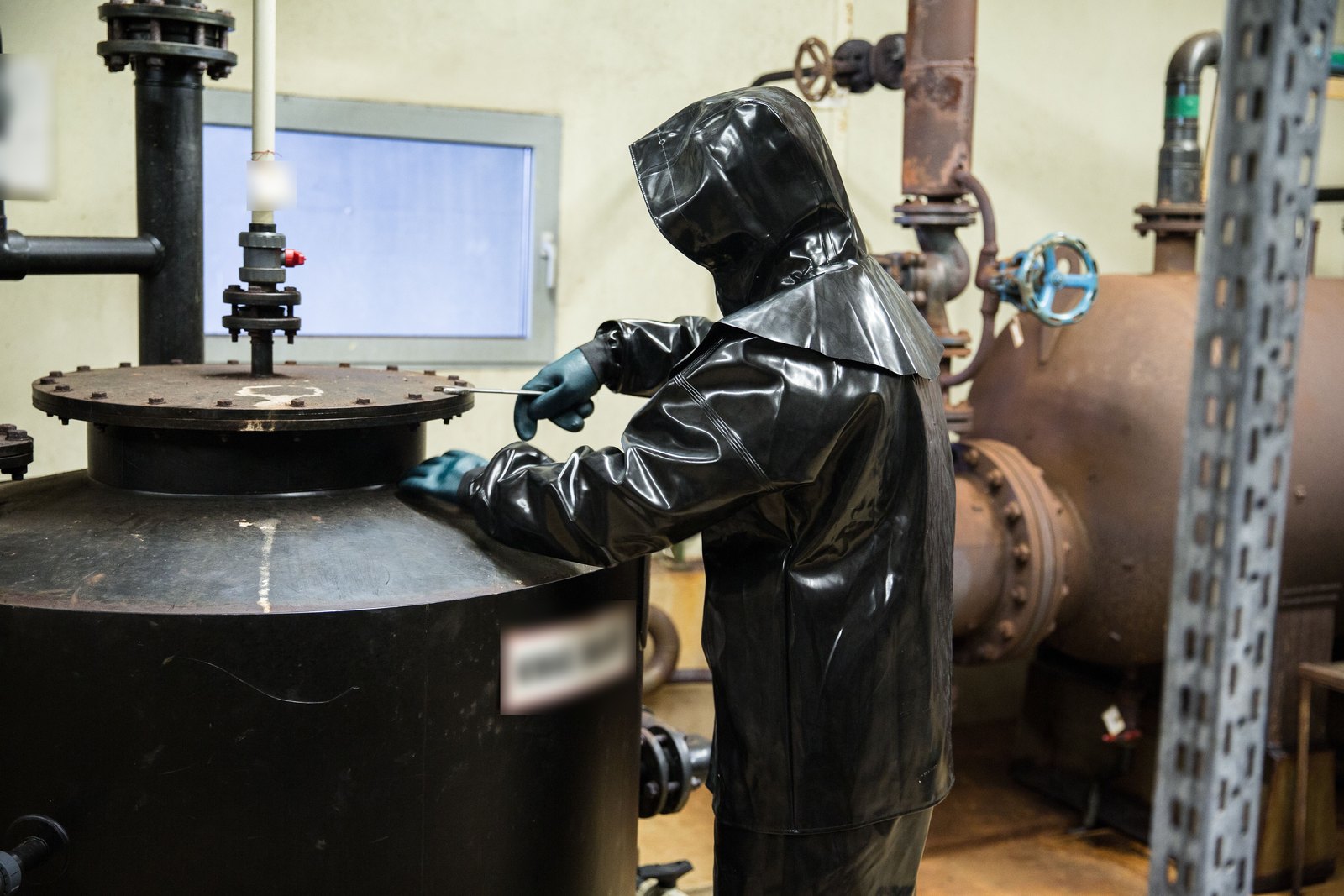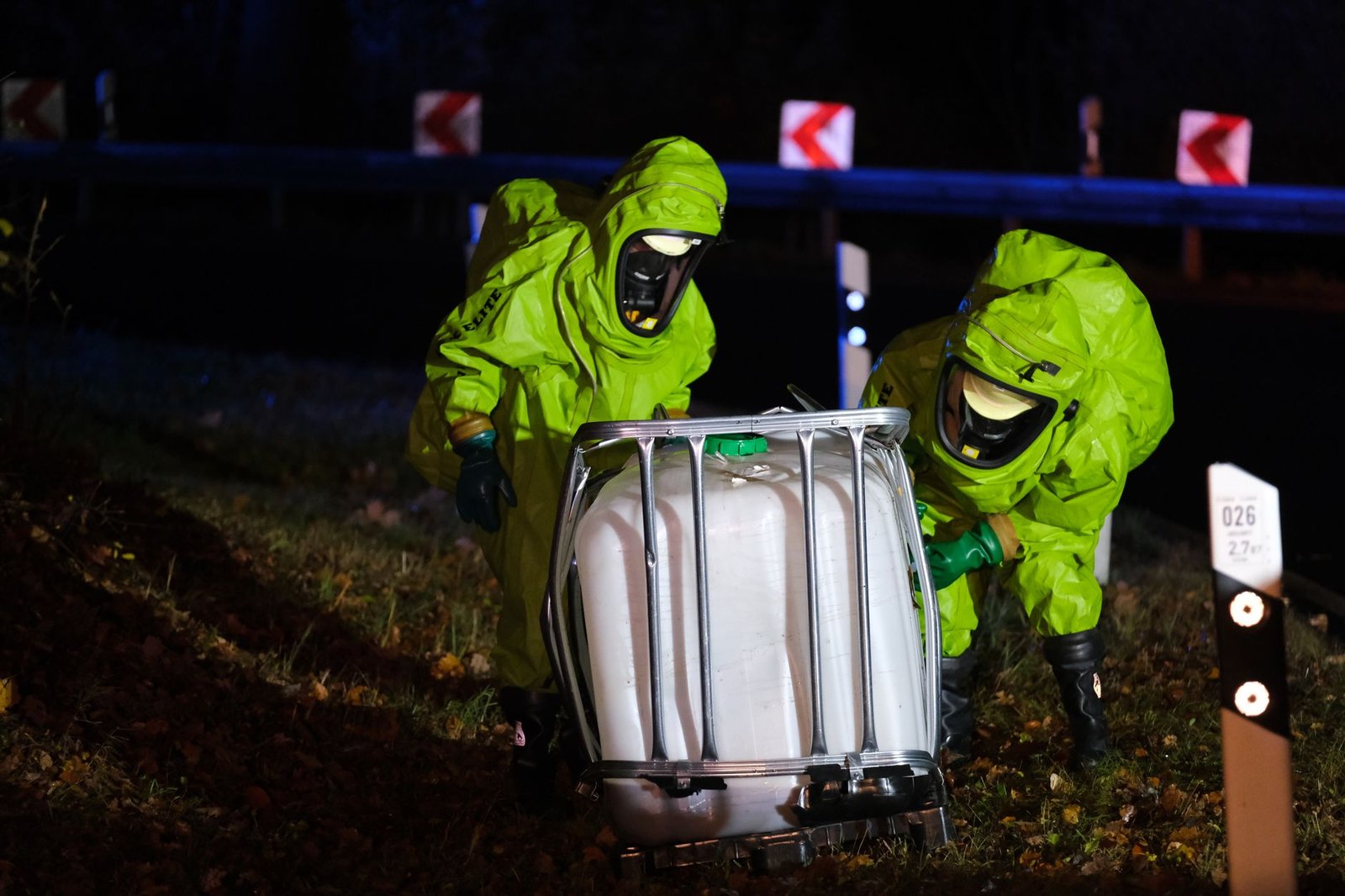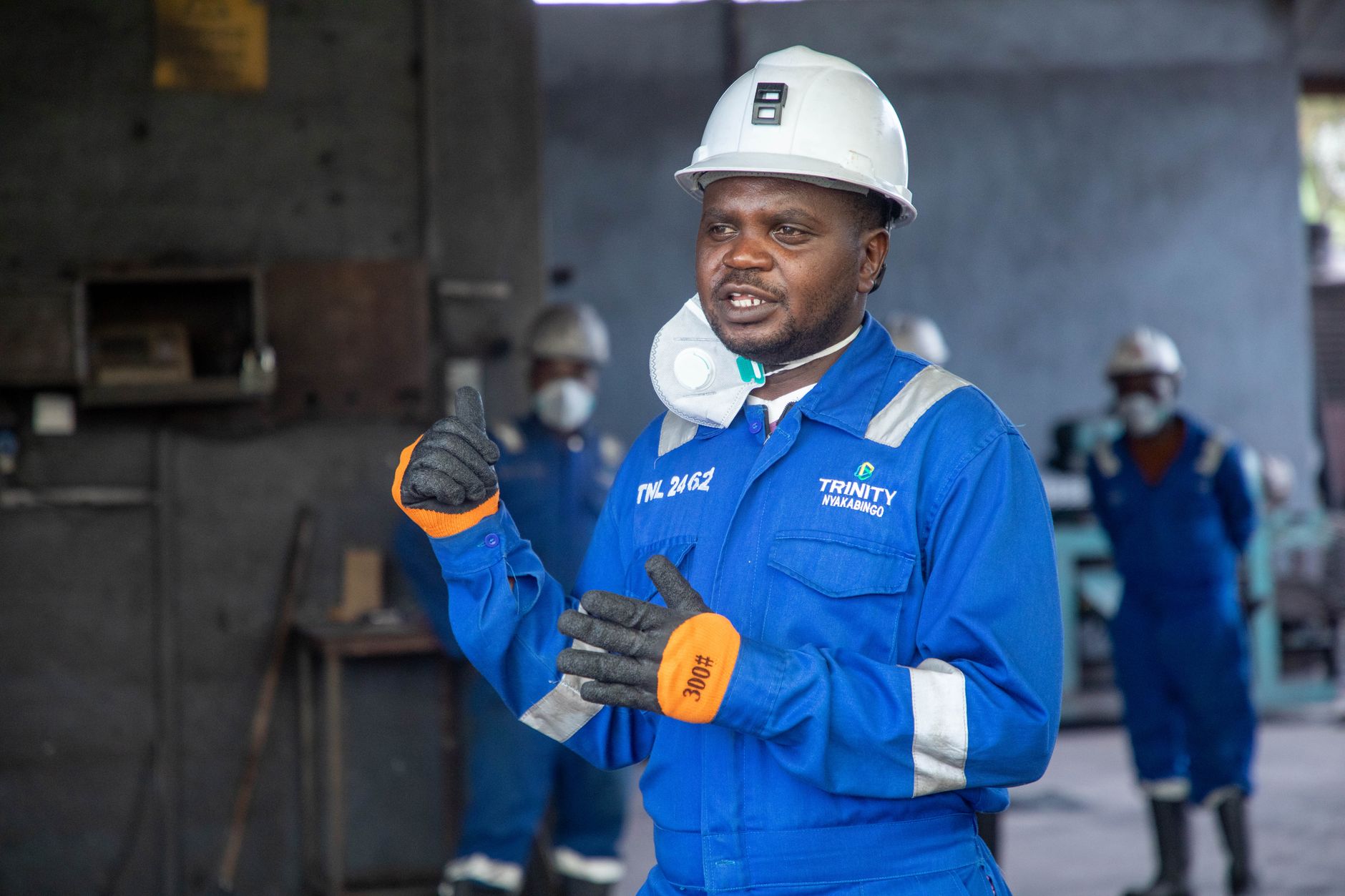
The annual session is done, the roster is signed and the completion report says 100%. Three months later, a maintenance technician on night shift has to lock out a machine he services twice a year. Whether he remembers the isolation points is something the report cannot tell you.
That is the gap frontline worker training leaves open. Completion shows that training happened. Readiness is whether each person can recall what the job needs today, on shift, without the manual in hand. Below: what readiness looks like by role, what OSHA says about knowledge between sessions, how to measure it, and what supervisors do with the result.
Table of Contents
- What readiness means after frontline worker training
- What OSHA expects between sessions
- How to measure readiness between sessions
- What the studies show
- How supervisors act on readiness data
- Where Blank Slate fits
- Frequently Asked Questions
What Readiness Means After Frontline Worker Training
Readiness is role-specific. A crew is ready when each person can recall, at the moment of the task, the handful of facts and steps that their own job depends on. Everyone on site sat through the same orientation, but nobody needs to recall all of it.
Take one manufacturing plant. Here is how readiness differs by role (our examples, not a regulatory list):
| Role | Must recall without the manual | A warning sign on shift |
|---|---|---|
| Maintenance technician | The energy sources and isolation points for each machine they service, and the steps of the lockout procedure | Asks a coworker which valve to close |
| Production operator | What a lock or tag on a machine means, and that the machine stays off until it is removed | Tries to restart equipment that is tagged |
| Paint-line worker who wears a respirator | How to put on and check the seal, and what the respirator does not protect against | Skips the seal check at shift start |
| Forklift operator | The pre-shift inspection items and the load limits for their truck | Inspection sheet filled in without looking |
| Shift supervisor | Emergency action steps, the muster point and who to call | Has to look up the evacuation route during a drill |
Each row is short on purpose. Readiness is a few must-know items per role, the ones where a miss turns into an incident, a citation or a near miss.
If you need the full inventory of what every role requires against what people hold today, that is a skills gap analysis, which has its own step-by-step method. This article starts after the training is delivered and asks a narrower question: is the knowledge still there?
What OSHA Expects Between Sessions
Some OSHA standards make the employer responsible for what a worker knows after training, as well as for whether the session took place.
The respiratory protection standard, 29 CFR 1910.134, requires effective training for employees who are required to use respirators. Under (k)(1), "The employer shall ensure that each employee can demonstrate knowledge" of at least the elements listed in (k)(1)(i) through (vii). Under (k)(5), retraining is required annually, and also when:
- Changes in the workplace or the type of respirator make previous training obsolete.
- "Inadequacies in the employee's knowledge or use of the respirator indicate that the employee has not retained the requisite understanding or skill".
- Any other situation arises in which retraining appears necessary to ensure safe respirator use.
The lockout/tagout standard, 29 CFR 1910.147, has a similar clause. Paragraph (c)(7)(iii)(B) requires additional retraining whenever a periodic inspection under (c)(6) reveals, or the employer has reason to believe, that there are "deviations from or inadequacies in the employee's knowledge or use of the energy control procedures." The retraining duty in (c)(7)(iii)(A) names all authorized and affected employees; the full training duties are covered in our article on lockout/tagout training.
The lockout standard names one route to finding gaps: its periodic inspection. In our reading, both clauses otherwise turn on the employer noticing that knowledge has slipped. A retraining trigger tied to what an employee knows only works if someone is looking. In our view, an annual session with nothing in between leaves those gaps to be found by accident.
How to Measure Readiness Between Sessions
Measuring readiness means checking, at intervals, whether people can still answer the must-know questions for their role. A practical setup has four parts:
- Write the questions from your own procedures. Use the must-know items from the role table above, phrased the way the job asks them ("Which two energy sources does Press 4 have?").
- Ask often and briefly. A few questions at a time, spread over weeks, show the trend. One long test a year shows a single day.
- Track first-attempt accuracy by topic. The first answer, before any hint or retry, is the closest thing to what the person would do on shift.
- Pair the numbers with what supervisors see. In our view, a low score plus a skipped seal check is a stronger signal than either one alone.
Short, spaced checks also do more than measure. Spaced retrieval combines retrieval practice (answering from memory) with spaced repetition (bringing material back at intervals), so each check is also a round of practice. Amy Smith, PhD, Blank Slate's Chief Scientist, argues that stronger knowledge underpins on-the-job performance in why your team can pass tests but can't perform.
Where these numbers sit next to incident rates and other indicators is covered in our article on safety KPIs.
What the Studies Show
Start with what happens when nothing is done. In a four-week randomized controlled trial with 93 university and college students (McHugh et al., 2021, Education Sciences), each group took a 60-question test before and after. The control group, which did no review, saw scores fall from 40 to 34 of 60. Students on Blank Slate's spaced schedule matched the retention of a daily-review schedule in about one-third of the study time.
Those were students, not crews. Blank Slate has also been tested in a training pipeline. In a study of US Air Force pararescue trainees using Blank Slate, presented at I/ITSEC 2023, accuracy on the app's questions rose from 67% to 81% over 16 weeks, with trainees averaging about 100 seconds of use a week.
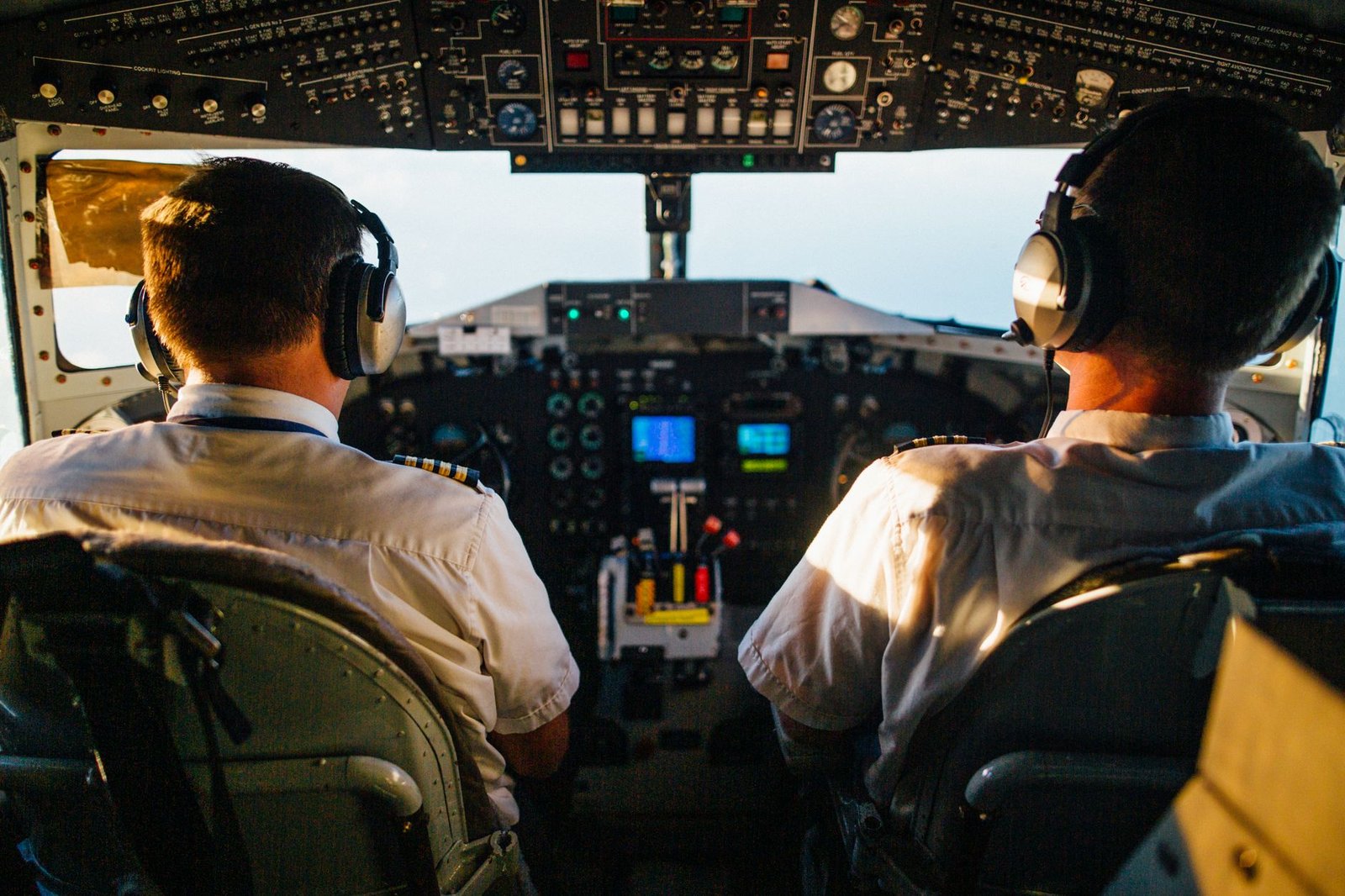
Qualified professionals show gaps too. In a conference paper prepared for I/ITSEC 2026 (Paper No. 26299), Smith and Randolph report on 37 F-16 and C-17 pilots. Their first-attempt accuracy on the app's questions averaged 66.9% at baseline, and final accuracy rose to 81.4%, a 21.6% relative improvement. The starting figure is a baseline gap among qualified aviators, not a measure of forgetting over time.
Blank Slate has also been tested with a frontline workforce. In a year-long case study of 70 data-center security guards, presented at MODSIM World 2025, guards who started below the team's median rose from about 56% to over 90% accuracy. They used three short sessions a week, six questions each.
None of these studies tested a supervisor's response to the data. That part is the article's own recommendation, below.
How Supervisors Act on Readiness Data
A readiness number is only useful if someone on the floor does something with it. The table below pairs common patterns with a first response. The "what it may mean" column is our reading, not a rule.
| What the data shows | What it may mean | Supervisor's first response |
|---|---|---|
| One person low across several topics | New to the role, missed sessions, or out on leave | Talk with them, pair them with an experienced coworker, and check whether a standard's retraining clause applies |
| The whole crew misses the same item | The content or the procedure is unclear, or it changed | Raise it with whoever owns the training content |
| A topic strong at first, slipping over weeks | Ordinary forgetting of a task done rarely | Cover it at the next shift-start briefing and keep it in the question rotation |
| A gap on a topic a standard ties to retraining | A possible retraining trigger, such as 1910.134(k)(5)(ii) | Check with your EHS lead; the standard decides what the retraining must cover |
Two of these responses point beyond the supervisor. When a whole crew misses the same item, the fix often belongs in the material itself; our article on training content development covers building and cutting content from gap data. When gaps differ by group, customized training covers tailoring content by role, site and risk.
Keep the response proportionate. Most gaps call for a short re-brief, not a formal course. Save formal retraining for the cases a standard or your own policy names.
Where Blank Slate Fits
Blank Slate is a cognitive-readiness platform that sits alongside your LMS. The LMS assigns courses and records completions. Blank Slate works on top of the training content you already have and checks what people still know.
Users answer questions in short (about 60-second) sessions, three or four times a week, which adds up to a few minutes a week. AI-optimized spaced retrieval decides when each person sees each question again. The True Knowledge Level™ metric shows what a person or team knows right now, so a supervisor can see a topic slipping before the next scheduled session.
Blank Slate has been rolled out to 6,000 Signature Aviation frontline employees. It does not replace OSHA-required training, a refresher course or hands-on practice; it reinforces and measures retention between them. The how it works page shows the setup. To see where your own team stands first, start with a Knowledge Gap Audit.
Frequently Asked Questions
What is frontline worker training?
Frontline worker training is the instruction given to people who do the operational work: plant crews, nurses, security officers, ground and maintenance staff. It covers safety rules, procedures and role tasks. Delivering it is half the job; the other half is checking that people can still recall it on shift.
How can supervisors tell if a crew is ready between sessions?
Ask short, role-specific questions at intervals and track first-attempt accuracy by topic. Compare the trend with what you see on shift, such as skipped checks or questions to coworkers. A topic that slips across the crew calls for a re-brief before the next scheduled session.
Does OSHA require employers to check what workers remember?
Some standards come close. For employees required to use respirators, 1910.134(k)(1) requires the employer to ensure that each employee can demonstrate knowledge, and (k)(5)(ii) requires retraining when inadequacies in an employee's knowledge or use of the respirator indicate the requisite understanding or skill was not retained. Under lockout/tagout, 1910.147(c)(7)(iii)(B) requires additional retraining when a periodic inspection under (c)(6) reveals, or the employer has reason to believe, that there are deviations from or inadequacies in an employee's knowledge or use of the energy control procedures.
A signed roster says who attended. Before the next shift depends on it, find out what your team actually knows. A Knowledge Gap Audit is free: a short browser-based assessment, and you get a one-page readiness snapshot of what is retained, what is slipping, and where to reinforce first.