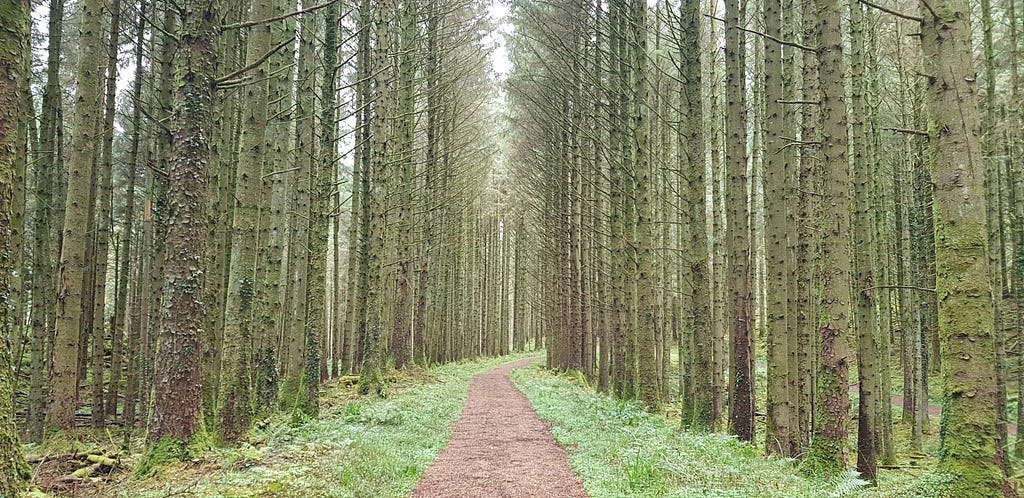
What does a forest path have to do with Blank Slate? Keep reading to find out. Image by mike5878 from Pixabay.
The Bottom Line Up Front
Every Blank Slate session is designed to strengthen the neural connections responsible for memory formation and recall. By repeatedly activating memories at scientifically optimized intervals, Blank Slate helps turn fragile knowledge into reliable neural networks.
The Details
In a world full of brain games and apps that often promise more for your cognitive performance than they deliver, we charge ourselves with the question: How do we know Blank Slate works?
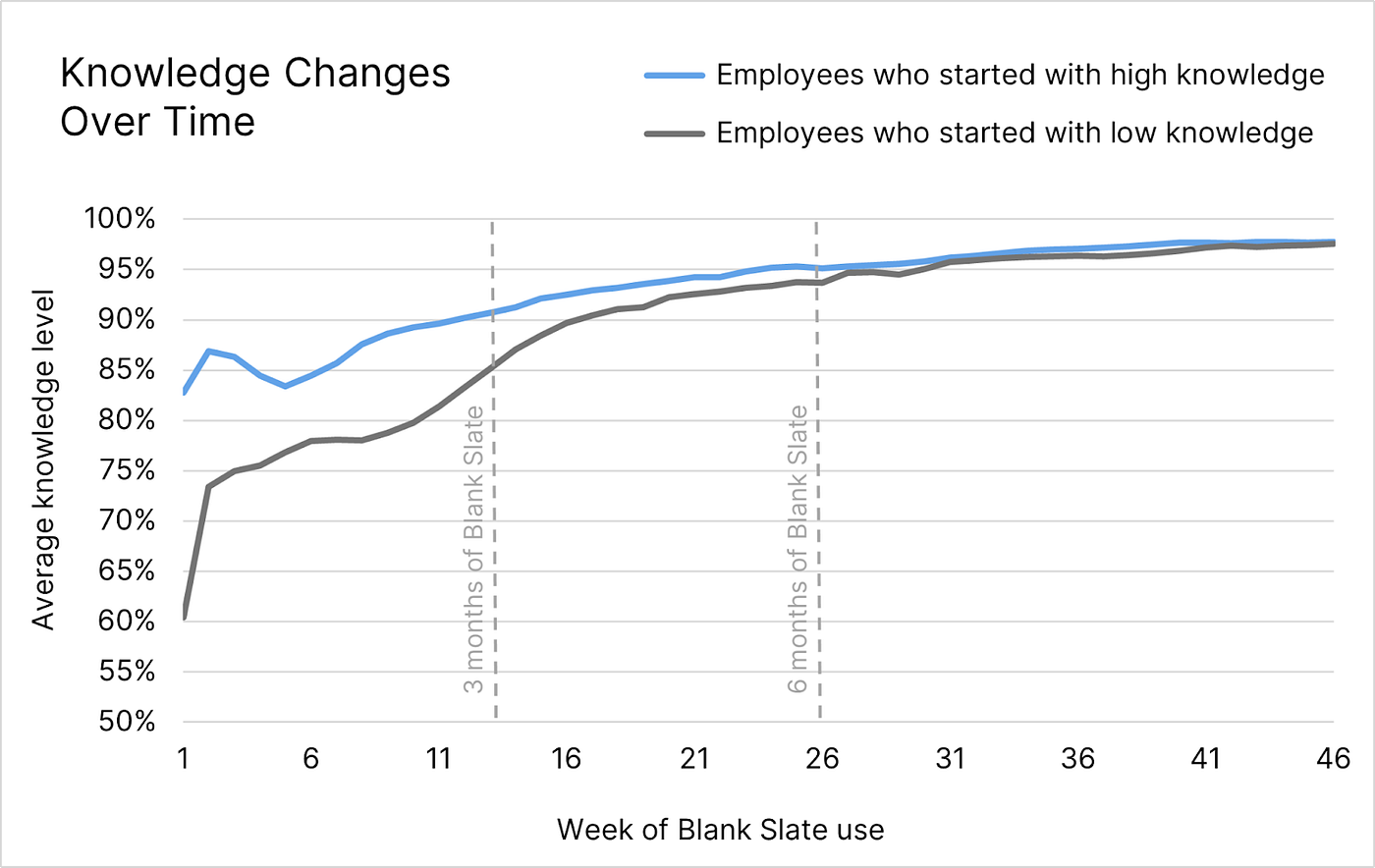
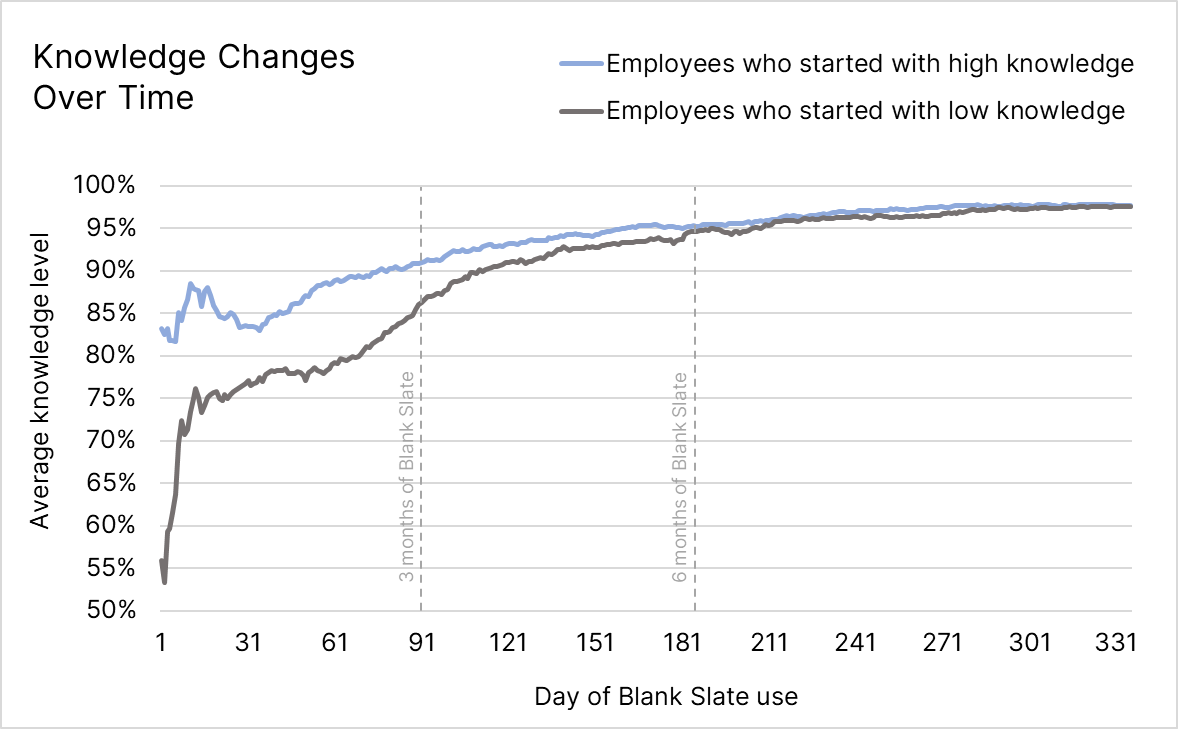
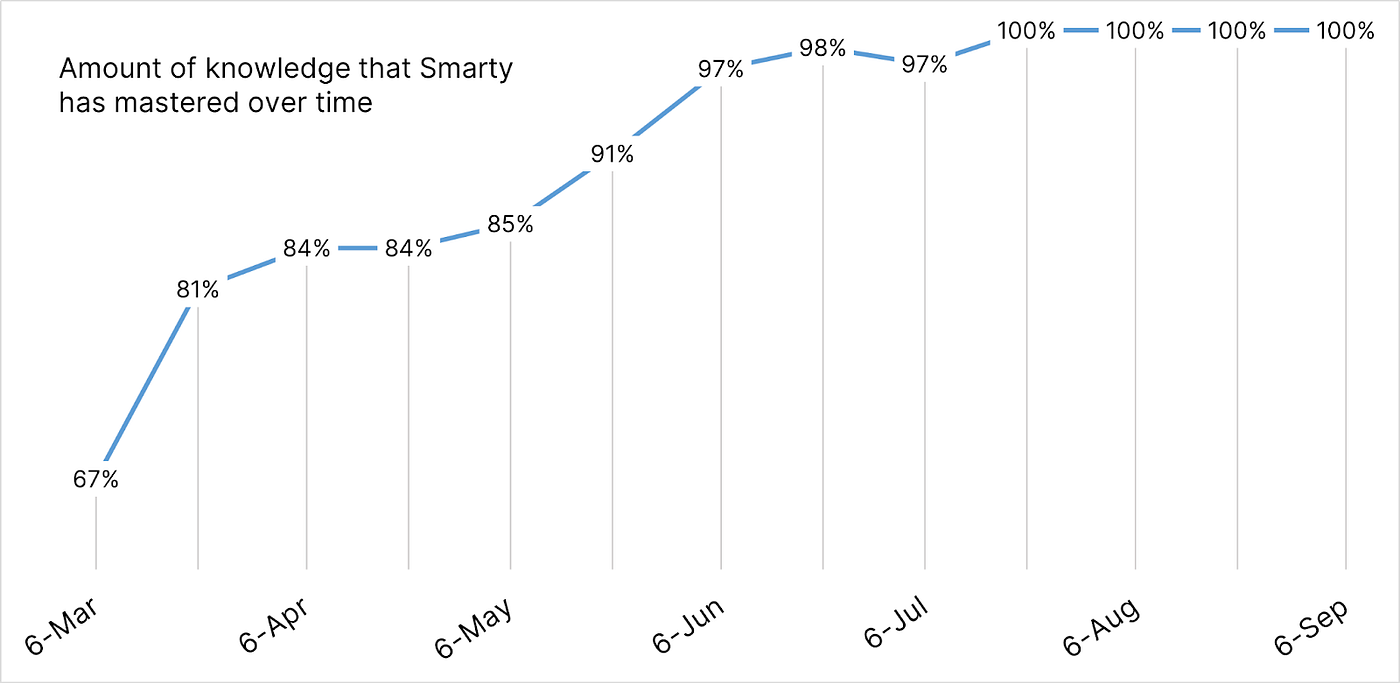
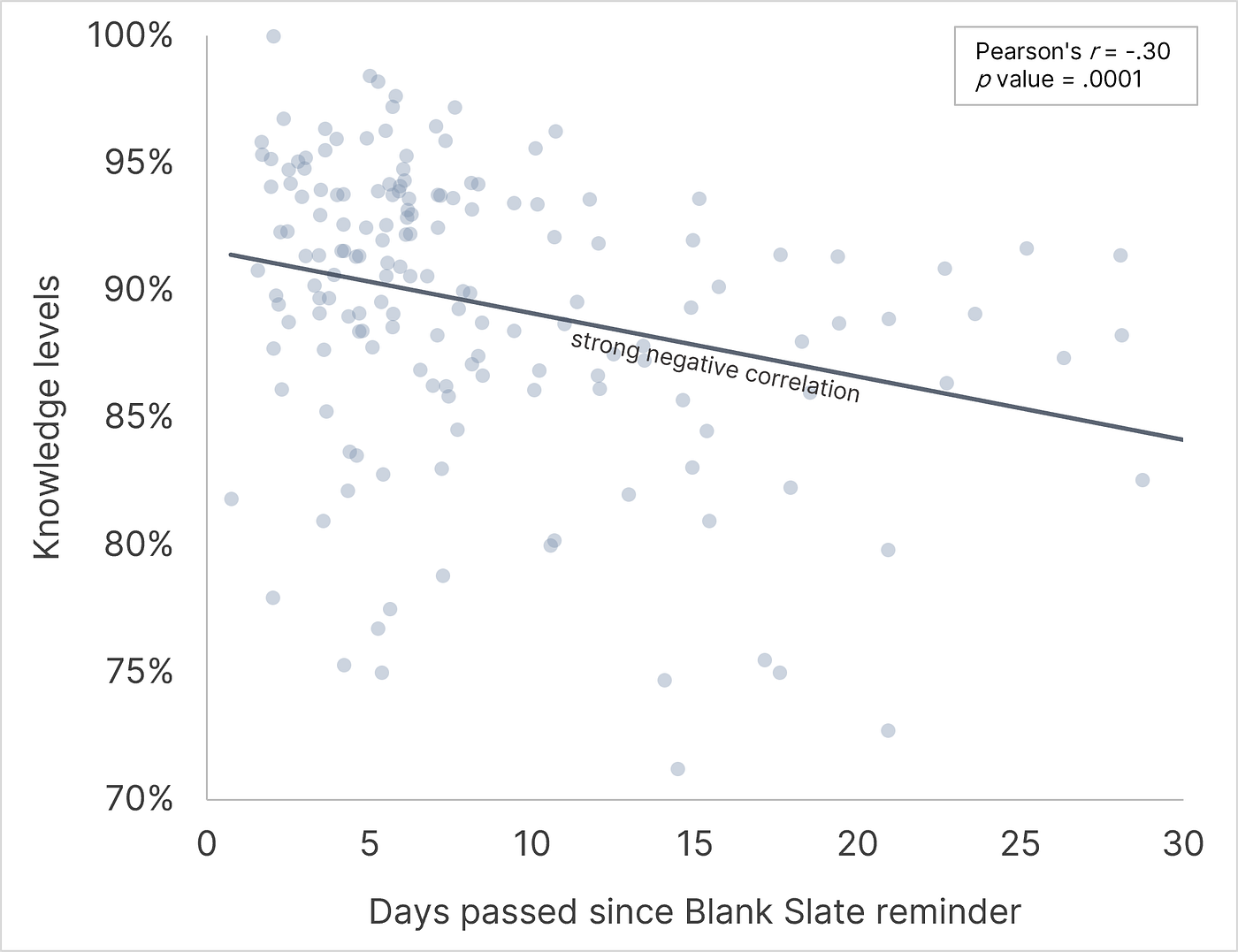
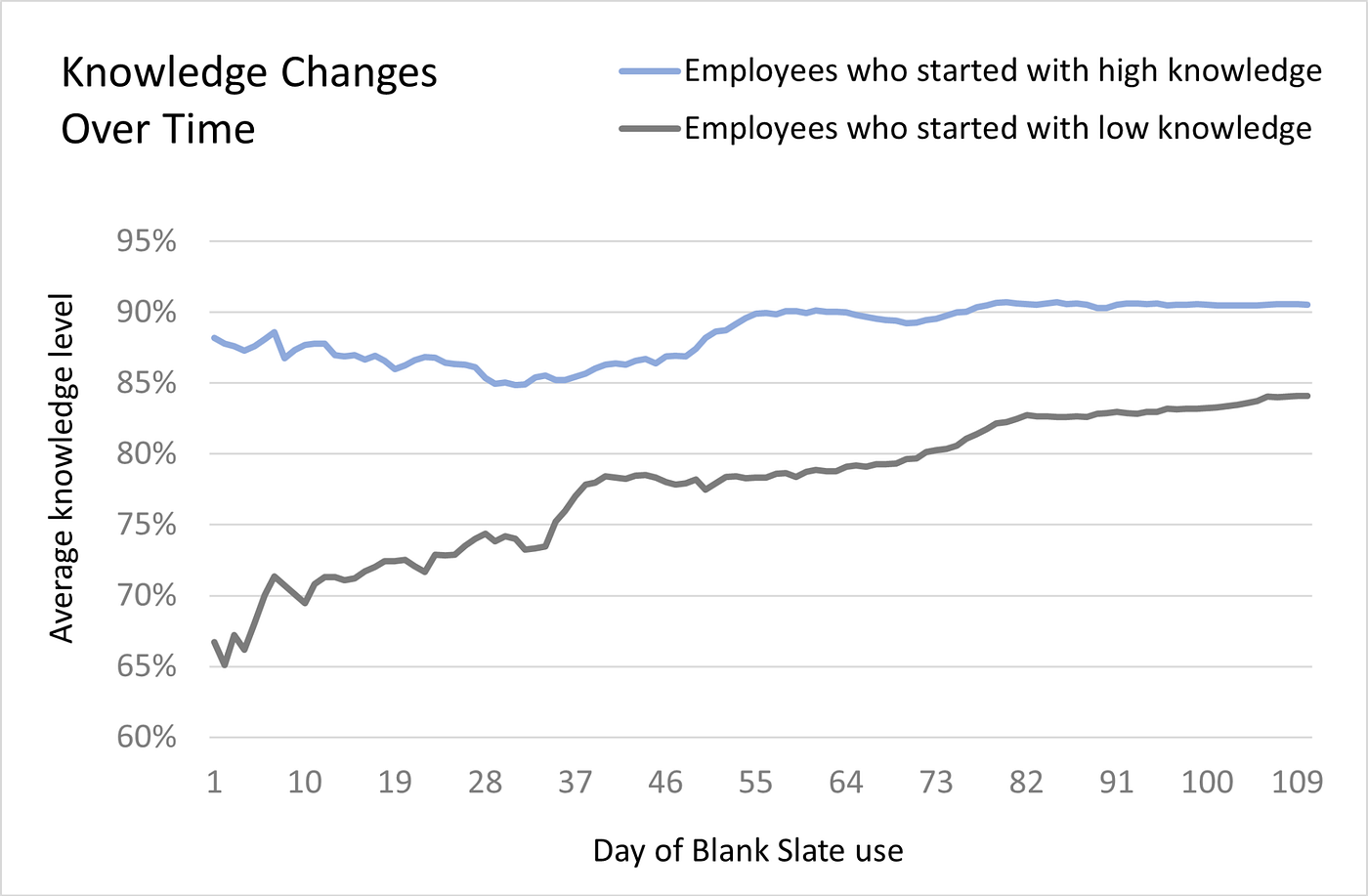
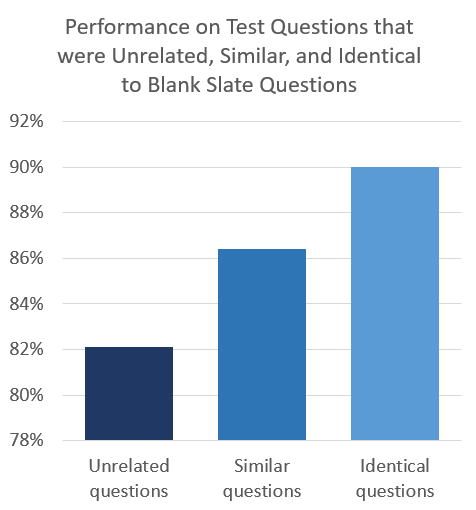
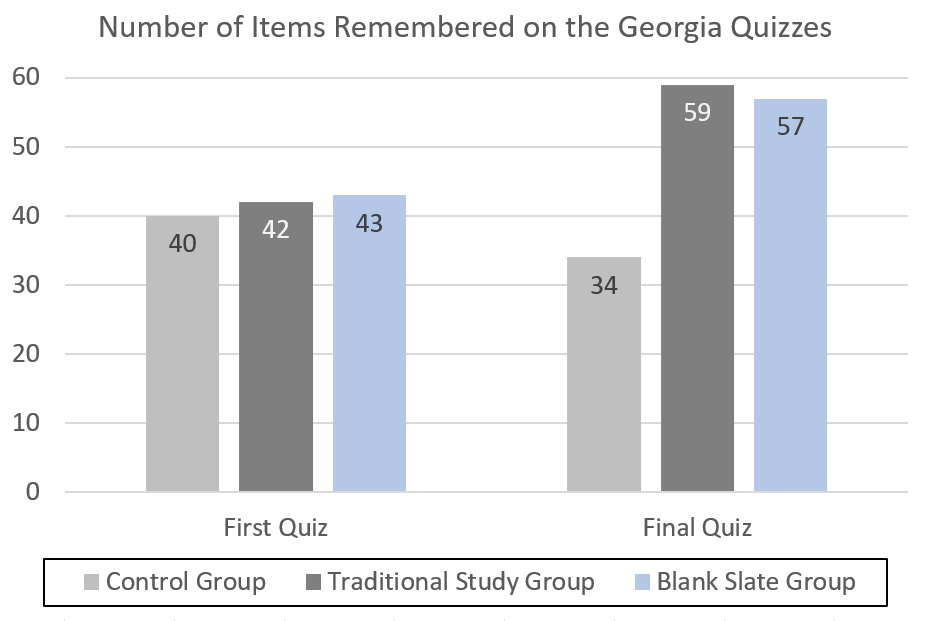
The answer lies in the outcomes we’ve measured and published over several years of research: people who use Blank Slate remember more, recall information faster, perform better at work, and feel more confident in their memory. But the story doesn’t end there.
Neuroscience tells us that these improvements aren’t just behavioral — measurable changes are happening in the brain itself. Across dozens of studies, the memory benefits of the Blank Slate approach correspond with real neural changes (1–7).
Your Brain On Blank Slate
Think of a memory as a path through a forest.
The first time you learn something, a narrow trail is created. Each time you successfully recall that information, you walk the trail again. Over weeks and months, the path becomes wider and easier to travel.
At the cellular level, something similar is happening. When you learn something new, a network of thousands — or even millions — of neurons becomes active. Blank Slate’s role is to reactivate that same network at carefully timed intervals, strengthening it over time through a well-established learning principle known as spaced repetition.
Each time that network is reactivated, the connections between neurons become stronger. Chemical signaling at the synapses becomes more efficient, neurons structurally change to adapt to increased stimulation, and the myelin that insulates nerve fibers may increase, allowing electrical signals to travel faster.
The result is a neural network that can be activated faster and with less effort the next time a memory is recalled.
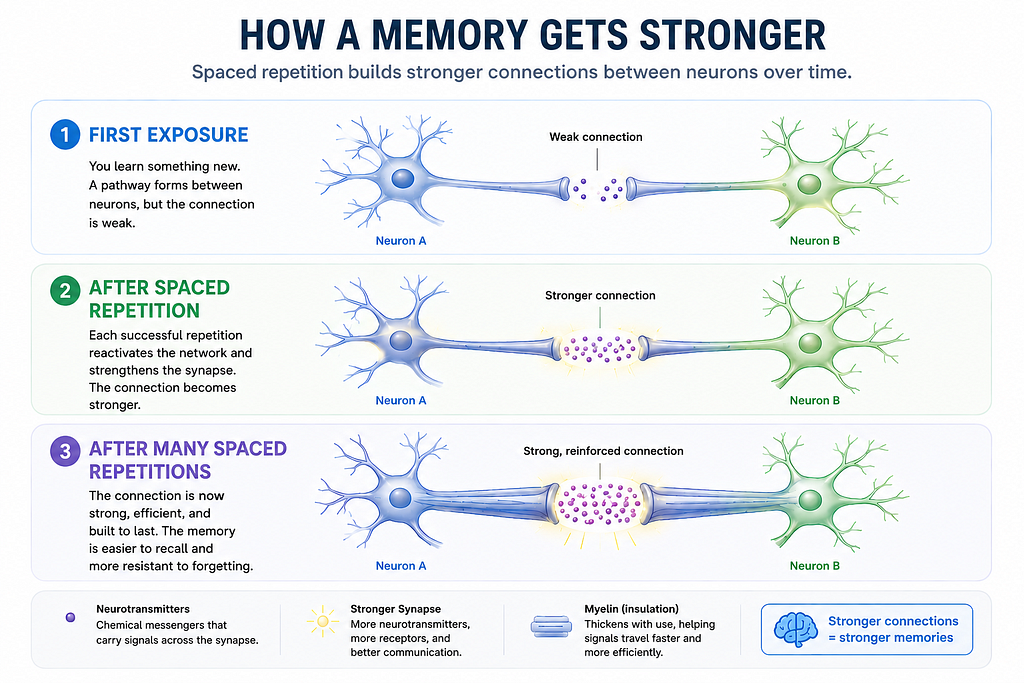
Created with Claude AI (claude.ai)
Your Brain Off of Blank Slate
The brain is remarkably adaptive but also ruthlessly efficient. When a memory stops being regularly activated, the neural connections supporting it weaken and recall becomes more difficult (8). It’s similar to a path that becomes overgrown when no one walks it, or muscles that atrophy without exercise.
Memories strengthened through spaced repetition are far more resistant to this decline than those formed through cramming or passive review (9). Each session re-activates and reinforces the underlying neural network, making it easier to activate again later and more resistant to the test of time.
This is how Blank Slate works. Through frequent microsessions, it repeatedly strengthens the neural pathways that matter most, so knowledge stays accessible months and years into the future (10). That path through the forest becomes more defined. The impact isn’t just better recall today, it’s a brain that has spent months or years building stronger pathways for years to come.
References:
- Kramár, E. A., Babayan, A. H., Gavin, C. F., Cox, C. D., Jafari, M., Gall, C. M., Rumbaugh, G., & Lynch, G. (2012). Synaptic evidence for the efficacy of spaced learning. Proceedings of the National Academy of Sciences, 109(13), 5121–5126. https://doi.org/10.1073/pnas.1120700109
- Xue, G., Mei, L., Chen, C., Lu, Z.-L., Poldrack, R. A., & Dong, Q. (2011). Spaced learning enhances subsequent recognition memory by reducing neural repetition suppression. Journal of Cognitive Neuroscience, 23(7), 1624–1633. https://doi.org/10.1162/JOCN.2010.21532
- Feng, K., Zhao, X., Liu, J., Cai, Y., Ye, Z., Chen, C., & Xue, G. (2019). Spaced learning enhances episodic memory by increasing neural pattern similarity across repetitions. Journal of Neuroscience, 39(27), 5351–5360. https://doi.org/10.1523/JNEUROSCI.2741-18.2019
- Antony, J. W., Ferreira, C. S., Norman, K. A., & Wimber, M. (2017). Retrieval as a fast route to memory consolidation. Trends in Cognitive Sciences, 21(8), 573–576. https://doi.org/10.1016/j.tics.2017.05.001
- Keresztes, A., Ngo, C. T., Lindenberger, U., Werkle-Bergner, M., & Newcombe, N. S. (2018). Hippocampal maturation drives memory from generalization to specificity. Trends in Cognitive Sciences, 22(8), 676–686. https://doi.org/10.1016/j.tics.2018.05.004
- van den Broek, G. S. E., Takashima, A., Segers, E., Fernández, G., & Verhoeven, L. (2013). Neural correlates of testing effects in vocabulary learning. NeuroImage, 78, 94–102. https://doi.org/10.1016/j.neuroimage.2013.03.071
- Wing, E. A., Marsh, E. J., & Cabeza, R. (2013). Neural correlates of retrieval-based memory enhancement: An fMRI study of the testing effect. Neuropsychologia, 51(12), 2360–2370. https://doi.org/10.1016/j.neuropsychologia.2013.08.004
- Mandelberg, N. J., & Tsien, R. W. (2019). Weakening synapses to cull memories. Science, 363(6423), 123–124. https://doi.org/10.1126/science.aau9082
- Roediger, H. L., III, & Karpicke, J. D. (2006). Test-enhanced learning: Taking memory tests improves long-term retention. Psychological Science, 17(3), 249–255. https://doi.org/10.1111/j.1467-9280.2006.01693.x
- McHugh, D., Feinn, R., McIlvenna, J., & Trevithick, M. (2021). A random controlled trial to examine the efficacy of blank slate: A novel spaced retrieval tool with real-time learning analytics. Education Sciences, 11(3), 90. https://doi.org/10.3390/educsci11030090
____
Amy Smith, PhD
Chief Scientific Officer, Blank Slate Technologies